A court in the French town of Bayonne has ruled that cosmic radiation was a factor in the breast cancer of a former Air France stewardess. The decision marks the first time a French court has recognized this specific environmental risk as a contributor to the disease for flight crew members. The court identified cosmic radiation as one of three occupational hazards contributing to the case, alongside prolonged night work and passive smoking.
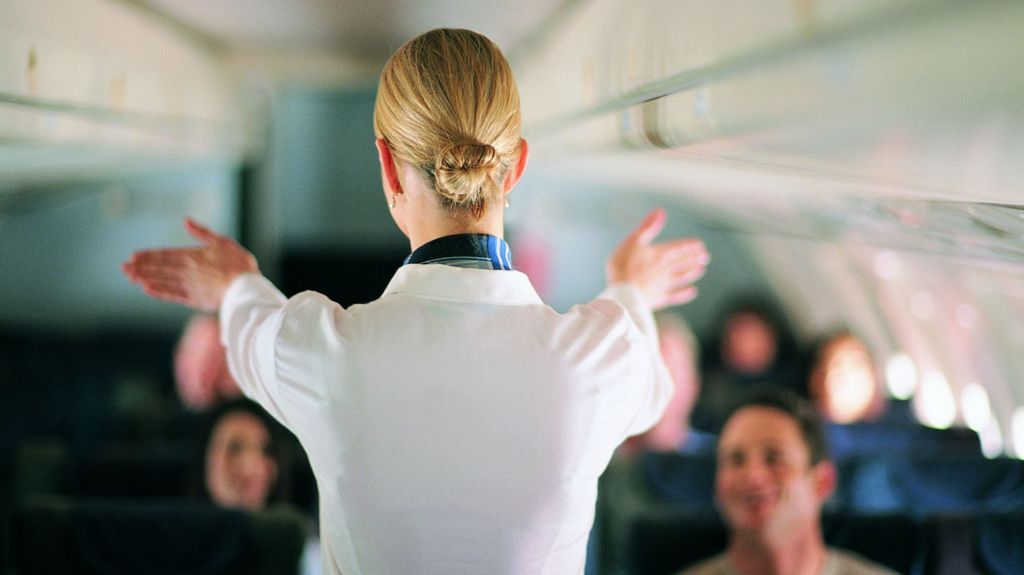
The plaintiff, 59-year-old Sophie Lainault, served as a stewardess and purser for Air France between 1989 and 2019. During her 30-year career, she recorded 12,600 flight hours, with more than half occurring at night. Many of these long-distance flights passed near the North Pole, an area where the Earth's magnetic field provides less protection against particles from the sun and stars.
Lainault, who is currently in remission, sought to have her cancer officially classified as an occupational disease. The court's ruling will allow her to take early retirement and receive full reimbursement for any further medical treatments through the French health system. Air France stated it was not a party to the legal case and had not seen the court's reasoning, but emphasized that the health and security of its staff is an "absolute imperative."
The scale of the issue is highlighted by recent research from Harvard Medical School, which analyzed radiation-related cancer deaths across more than 500 professions. The study found that flight attendants and pilots had the highest levels of such deaths, at 6.9% and 6.7% respectively. These figures placed aviation professionals higher on the list than nuclear technologists, who ranked 12th. While the dose of radiation for most travelers is considered statistically insignificant, the cumulative exposure for long-serving crew members, particularly on polar routes, is significantly higher.
For individual workers, this change means a shift in how the French health system and employers address long-term health complications. A person in a similar position would notice the ability to access full state coverage for treatments and the option for early retirement if their illness is linked to their professional duties. Previously, such links had been established for other professions in France, such as nurses, but not for flight attendants. The ruling took effect immediately upon the court's decision in Bayonne, though the timeline for other pending cases remains dependent on individual filings.