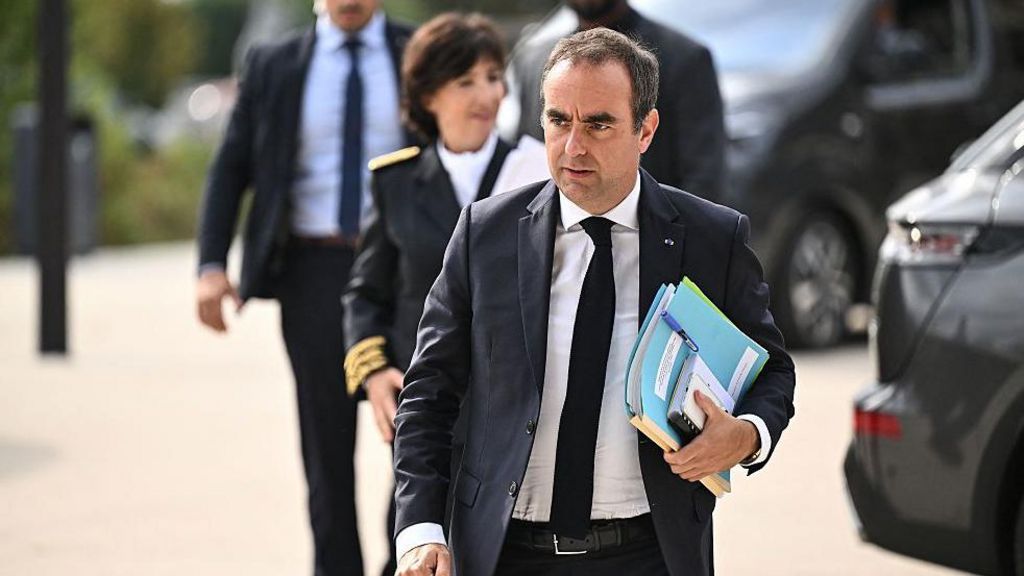
French Prime Minister Sébastien Lecornu announced €12 million ($13 million) in emergency aid on Monday for regions impacted by wildfires as residents questioned the government's response to the disaster. The announcement followed an incident in Le Porge where approximately 200 people gathered to protest, alleging they were prevented from meeting with the prime minister by riot police. The wildfires in south-western France have resulted in the destruction of 183 homes.
The aid package includes €10 million for the Gironde region and €2 million for the Landes region. Lecornu stated the funds would support a recovery plan and allow local authorities to start reconstruction projects immediately. He also committed to a fast-track process for building permits, pledging they would be issued within one month or less for residents seeking to rebuild homes lost in the blazes.
Local residents have raised concerns regarding how firefighting resources were distributed during the emergency. One resident questioned why professional firefighters were moved to protect the Cap Ferret peninsula—a tourist destination west of Bordeaux—leaving volunteer firefighters to manage other areas. Ludivine Daurignac, an organizer for an affected residents' group, stated that the group intends to file legal complaints to seek transparency regarding the management of the operations.
Across Europe, emergency services continue to battle significant wildfires following the hottest June-to-July period on record in western Europe, according to the Copernicus climate monitoring service. In Belgium, international air support from the Netherlands, Germany, Norway, and Sweden assisted ground crews at the Hautes Fagnes nature reserve. In Greece, authorities reported 41 forest fires within a 24-hour period, including two simultaneous blazes on the island of Salamina that resulted in two deaths.
The scale of the regional crisis is further evidenced by the 16,000 hectares burned in Spain’s Aragón region and the deployment of 104 French firefighters to assist Spanish authorities. In Croatia, the impact has extended to the legal system, where police have arrested four individuals on suspicion of arson across 10 locations following a fire near Zadar that caused one death and required the evacuation of 1,200 people. These events establish a precedent for cross-border cooperation within the European Union, as multiple nations are now sharing aircraft and personnel to manage simultaneous disasters.
What happens next depends on the stabilization of weather conditions and the progression of planned legal actions. While Belgian authorities noted that recent rainfall and favorable winds have slowed the spread of fires there, Greek officials maintain high-risk warnings for residents. In France, the effectiveness of the recovery plan will be measured by whether reconstruction permits are delivered within the promised one-month window, while residents move forward with plans to file formal complaints regarding the emergency management.