The Plain Record

Neutral daily news — clear headlines, complete facts.

National

French Student Protests Over School Funding Lead to Clashes and 5,000 Arrests

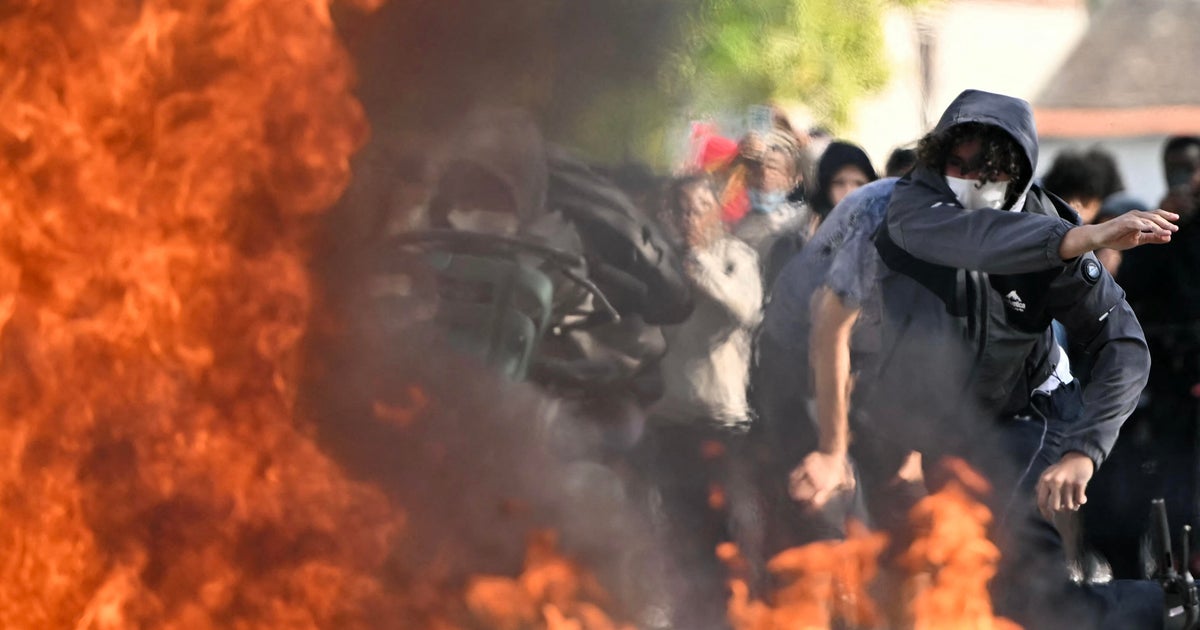
French high school students clashed with police and barricaded schools on Friday in nationwide protests over classroom conditions and proposed budget cuts.

By The Plain RecordUpdated October 6, 2026 at 12:06 PM EDT
Published October 4, 2026 at 1:06 AM EDT

The short answer

French high school students clashed with police and barricaded schools on Friday in nationwide protests over classroom conditions and proposed budget cuts. French high school students held nationwide protests on Friday, October 2, leading to clashes with police and the closure of hundreds of schools.

Updates (1)

  • Update — October 6, 2026 at 12:06 PM EDT: More than 80,000 people protested school conditions in France on Tuesday, leading to school closures and clashes with police.
French Student Protests Over School Funding Lead to Clashes and 5,000 Arrests

The Facts

Who
French high school students, Education Minister Edouard Geffray, Interior Minister Laurent Nunez, and Justice Minister Gerald Darmanin.
What
French high school students staged nationwide protests and school blockades over deteriorating classroom conditions and below-inflation budget increases, leading to clashes with riot police and thousands of arrests.
When
Friday, October 2, 2026, following a week of escalating unrest.
Where
Cities across France, including Paris, Marseille, Strasbourg, Rennes, and Brest.
Why
Students are protesting overcrowded classrooms, dilapidated buildings, and teacher shortages while opposing a draft budget that increases education spending by 1.7%, which is below the rate of inflation.

French high school students held nationwide protests on Friday, October 2, leading to clashes with police and the closure of hundreds of schools. The demonstrations, which began the previous week in the Paris region, involve grievances over classroom overcrowding, teacher shortages, and the physical condition of school buildings. Government officials stated that the movement has increasingly turned toward "urban violence," with police utilizing tear gas and flash-balls to disperse crowds.

The protests come as the French government presented its draft 2027 budget on Thursday, October 1. The plan proposes a 1.7% increase for education, reaching €65.53 billion ($73.77 billion), which students and unions noted is below the current rate of inflation. For the first time, education will not be the largest budget item, as debt servicing costs are projected to reach €74.5 billion. Students reported classes of 35 people, inadequate facilities, and persistent staff absences as primary drivers for the unrest.

According to Education Minister Edouard Geffray, education was disrupted at more than 560 high schools on Friday, while the Interior Ministry reported that more than 1,000 schools were affected on Thursday. Authorities reported that 65 education staff members, including 40 principals, have been injured since the movement began. Approximately 170 students have also been wounded. Interior Minister Laurent Nunez stated that approximately 5,000 people have been arrested since Monday, September 28, the majority of whom are minors.

The economic scale of the dispute centers on the €65.53 billion education budget, which students argue is insufficient to address dilapidated infrastructure and overcrowding. The government's decision to prioritize debt servicing at €74.5 billion over education funding sets a fiscal precedent that has drawn criticism from student groups and teachers' unions. Citizens will notice these budgetary priorities in the day-to-day quality of public services, with students specifically citing vermin infestations and lack of textbooks as concrete symptoms of underfunding. The use of police force against minors, including reports of a 16-year-old losing an eye to a rubber bullet, has prompted official investigations into police tactics.

Political tension is expected to remain high with presidential elections scheduled for next year. The government has attributed the protests to the hard-left France Unbowed (LFI) party, a claim LFI leaders have denied, calling it a conspiracy theory. Further disruption is scheduled for Tuesday, October 6, as trade unions have called for a nationwide teachers' strike following a similar walkout by public-sector workers the previous week. Authorities continue to urge parents to keep children off the streets, while the judiciary evaluates the thousands of cases currently in the legal system following the week's arrests.

Timeline of what happened

Key dates and decisions, in the order they occurred.

  1. September 28, 2026

    Start of mass arrests during protest week

  2. October 1, 2026

    Government presents draft 2027 budget

    Debt servicing projected to exceed education spending.

  3. October 1, 2026

    Government crisis meeting on protests

    Over 1,000 high schools affected by disruptions.

  4. October 2, 2026

    Nationwide student protests and police clashes

    One in 10 schools closed as clashes spread to Strasbourg and Marseille.

  5. October 6, 2026

    Scheduled nationwide teachers' strike

Summaries are written by The Plain Record to state the facts of a story plainly and without political slant. Drafted with AI assistance and checked against the source record before publication. See how we report, or report a correction.

← Back to the front page

Questions readers ask

What happened: French Student Protests Over School Funding Lead to Clashes and 5,000 Arrests?

French high school students staged nationwide protests and school blockades over deteriorating classroom conditions and below-inflation budget increases, leading to clashes with riot police and thousands of arrests.

Who is involved?

French high school students, Education Minister Edouard Geffray, Interior Minister Laurent Nunez, and Justice Minister Gerald Darmanin.

When did this happen?

Friday, October 2, 2026, following a week of escalating unrest.

Where did this happen?

Cities across France, including Paris, Marseille, Strasbourg, Rennes, and Brest.

Why does this matter?

Students are protesting overcrowded classrooms, dilapidated buildings, and teacher shortages while opposing a draft budget that increases education spending by 1.7%, which is below the rate of inflation.