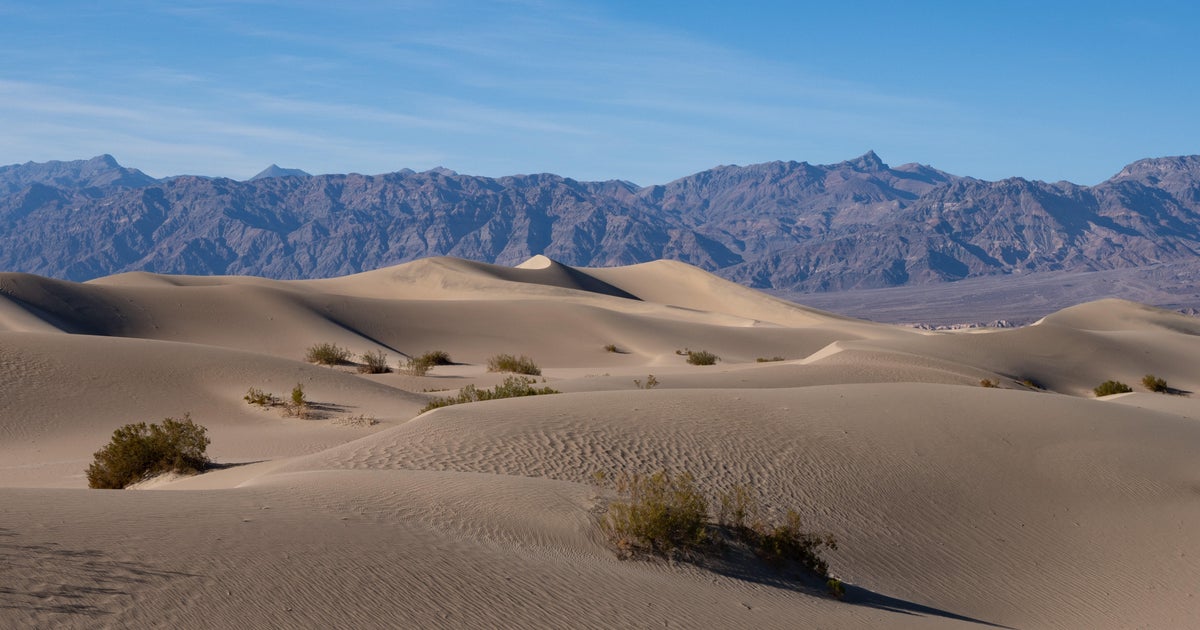
A 68-year-old French tourist died in Death Valley National Park after his vehicle became stuck in mud during extreme heat. The National Park Service reported that the incident occurred on Aug. 17 in a remote section of the California park, where temperatures reached 116 degrees Fahrenheit that afternoon.
The victim, identified as Pierre Michel Formosa, was traveling with a companion when their car became immobilized. According to park officials, the two individuals left the vehicle to walk across salt flats in an attempt to find assistance. After walking approximately 1.3 miles, Formosa became unable to continue, and his companion proceeded alone to seek help.
A passing driver encountered the companion and reported the situation to park rangers at a visitor center at approximately 2:00 p.m. local time. A search operation involving park rangers, an Inyo County deputy, and a California Highway Patrol helicopter began shortly thereafter. Rescuers located Formosa later that afternoon, and he was pronounced dead at the scene.
Park Superintendent Mike Reynolds stated that the event serves as a reminder of how quickly conditions in the park can become hazardous due to heat and remoteness. The Inyo County coroner is tasked with determining the specific cause and manner of death. The incident occurred during a period of severe heat and drought affecting the American West, with the National Weather Service forecasting the upcoming week to be the hottest of the summer for Southern California.
The concrete day-to-day impact for visitors includes restricted access to remote areas and the necessity of specialized safety preparations. Travelers must account for the lack of immediate emergency services in remote desert sections, where a 15-minute response time by rangers—as seen in this case—still requires a bystander to first reach a visitor center to report the emergency. Those planning visits will notice increased warnings regarding heat exhaustion and dehydration as regional temperatures continue to trend toward summer highs.
The death sets a precedent for how the National Park Service manages remote road access during periods of extreme heat and drought. It may influence future policy regarding park advisories or the deployment of search and rescue resources during high-heat alerts. What happens next is the release of the formal autopsy report by the Inyo County coroner's office, which will provide the official medical cause of death. Additionally, the National Weather Service will continue monitoring temperatures as the region enters what is expected to be its hottest week of the season.