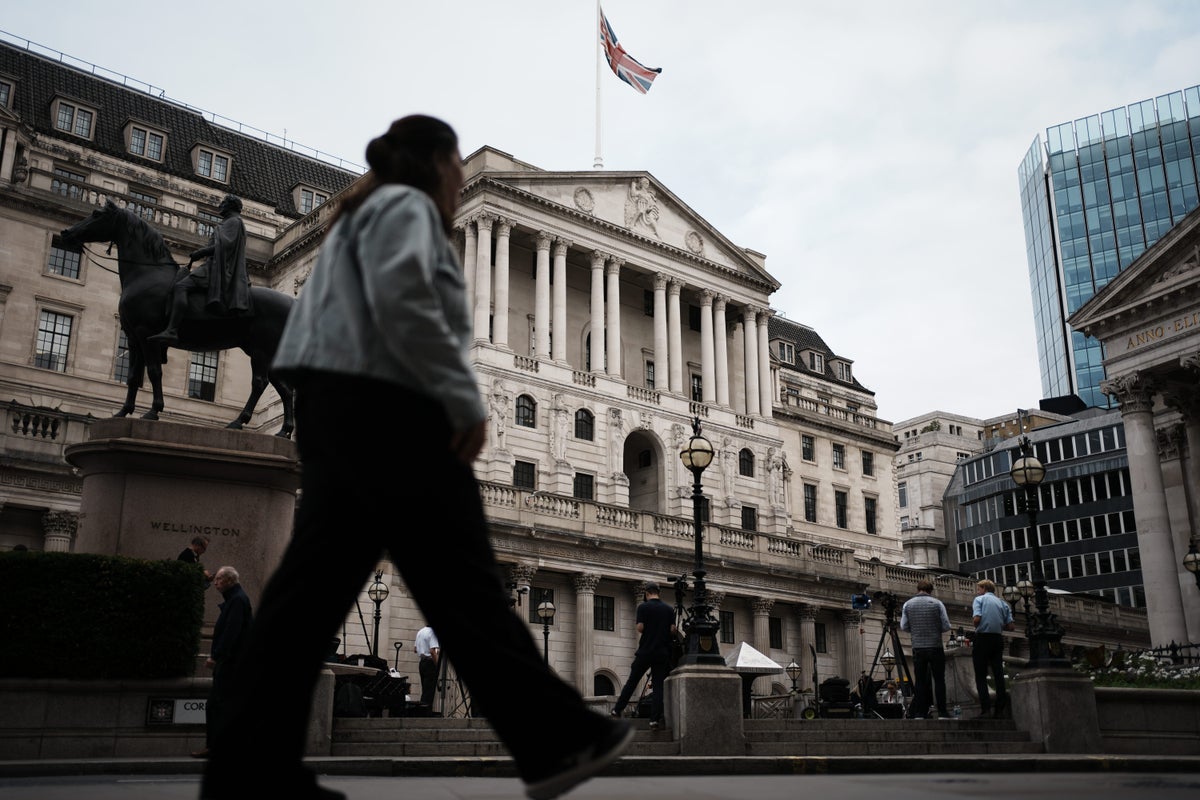
Stock market indices in London rose on Friday, October 16, 2026, as Bank of England Governor Andrew Bailey issued remarks downplaying concerns regarding inflation. The FTSE 100 index closed up 41.55 points, or 0.4%, reaching 10,881.90. While the broader market gained, shares in the banking sector declined following reports that the upcoming government budget may include tax increases for financial institutions.
Speaking at the International Monetary Fund’s (IMF) annual meeting in Bangkok, Governor Bailey stated that evidence of second-round inflation effects—where initial price rises lead to higher wages and further price increases—remains "limited" and "subdued." He described current Bank of England policy as "restrictive" and noted that the UK economy has shown more resilience than previously anticipated. His comments follow recent statements by the Bank’s chief economist, Huw Pill, who suggested that market expectations for four interest rate hikes appeared excessive.
In the banking sector, NatWest shares fell 1.2% and Lloyds decreased 0.9% on Friday. These movements followed a report from The Guardian on Thursday, October 15, indicating that Chancellor John Healey may increase taxes on banks in his October 28 budget. The report stated that the Treasury is seeking additional revenue to offset public finance pressures resulting from conflict in the Middle East. One proposal reportedly under consideration is a reversal of previous cuts to the bank surcharge, a move estimated to raise approximately £2 billion annually.
Other market activity included a 0.7% rise in U.S. industrial production for September, exceeding forecasts of 0.4%. In technology markets, Tesla shares fell 1.0% following the Thursday launch of its second-generation Roadster, which the company now targets for 2028 production—eight years after its original delivery goal. Meanwhile, asset manager Man Group reported that its assets under management grew to $270.9 billion at the end of September, supported by $10.1 billion in net inflows during the third quarter.
For the broader public, Governor Bailey’s assessment of inflation and interest rates suggests a shift in the central bank's outlook. If the Bank of England views market expectations for four rate hikes as "overdone," it may signal a slower pace of interest rate increases than investors had previously timed. This would directly influence the interest rates offered on new mortgages, personal loans, and savings accounts. The Governor noted that prior to recent geopolitical conflicts, the market had reasonably priced in two rate cuts, indicating that the future direction of borrowing costs remains tied to global stability and domestic inflation data.
The next steps for these fiscal and monetary policies will be clarified in the coming weeks. The UK government is scheduled to present its formal budget on October 28, which will confirm whether the proposed bank tax increases are adopted. On the global stage, the Federal Reserve is scheduled to meet at the end of October to discuss U.S. interest rates, though Chairman Kevin Warsh declined to provide specific guidance on his voting intentions during the IMF summit. In the corporate sector, technology earnings reports from Meta Platforms and Tesla are expected next week.