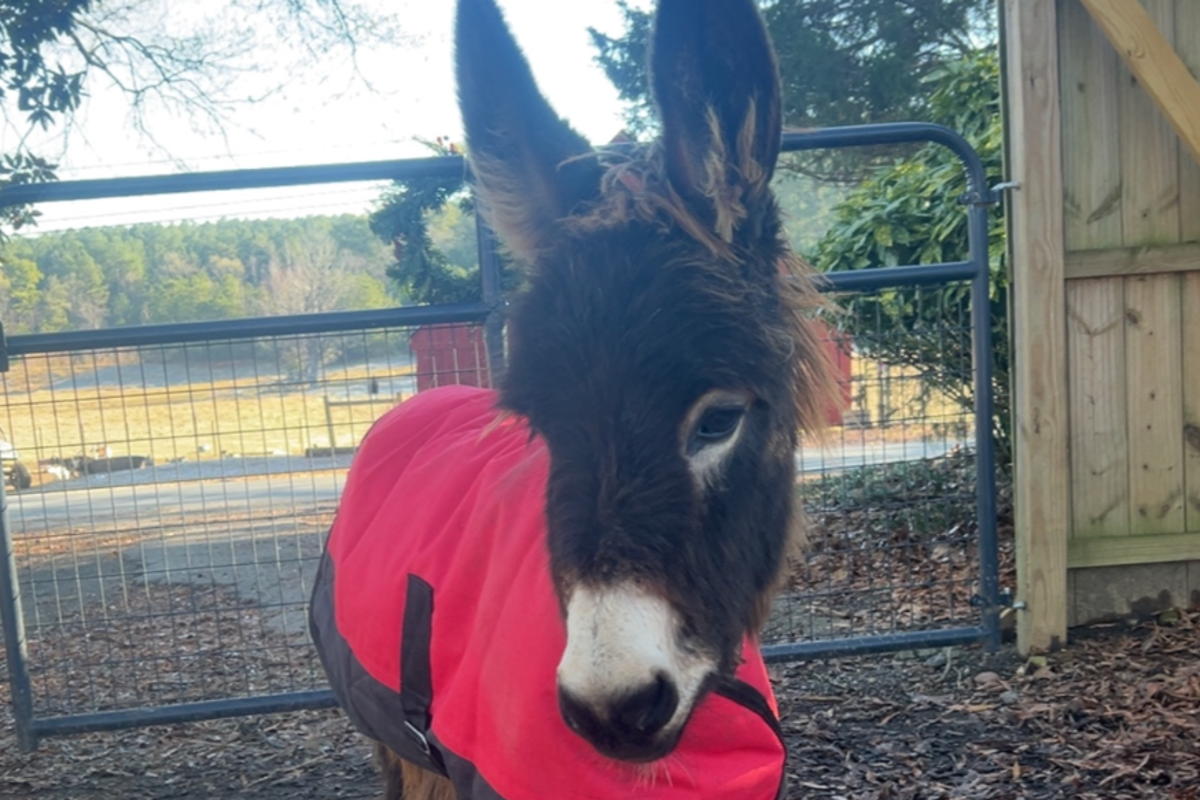
A Georgia property owner filed a federal civil rights lawsuit on September 11, 2026, against a Cedartown police officer who shot and killed her donkey during a search operation. Hannah Israel filed the complaint in the U.S. District Court for the Northern District of Georgia, naming Officer Trenton Garner as the defendant for the August 29 shooting of the animal, named HeeHaw.
The incident occurred when officers arrived at Israel's Rockmart property to search for a missing 12-year-old child. According to the complaint, officers entered a fenced pasture without obtaining a warrant, securing consent, or notifying the owner. The child who prompted the search was later found unharmed.
The lawsuit alleges that the donkey was a docile animal that posed no threat and that the use of lethal force constituted an unreasonable seizure of property and an unlawful search. An incident report filed by Garner states the donkey charged at personnel and did not retreat after a K-9 handler used a Taser arc to deter it. Garner said he fired one shot to defend the tracking team, after which the animal died.
Israel stated that officers left the scene without disclosing the animal's location, leading her and a minor to search the acreage in the dark after a supervisor notified her the donkey had been "dispatched." The lawsuit seeks compensatory and punitive damages, as well as legal fees, for alleged violations of due process and constitutional protections against unlawful search and seizure.
The scale of the financial impact includes a GoFundMe campaign that, as of Tuesday, September 15, 2026, raised more than $159,000 from over 2,200 donors, surpassing its $30,000 goal. For the plaintiff, a favorable verdict could result in compensatory and punitive damage awards paid by the defendant. The local community in Rockmart and the Cedartown Police Department are observing the outcome of an independent inquiry by the Georgia Department of Agriculture’s Law Enforcement Division.
A ruling in this case may set a precedent in the Northern District of Georgia regarding the "emergency aid" or "exigent circumstances" exceptions to warrant requirements when search operations involve private agricultural land and domestic animals. Property owners would notice changes in how officers communicate during searches, while law enforcement agencies may face new training requirements or liability risks concerning the use of lethal force against animals. The next steps include the progress of the civil jury trial and the conclusion of the state's investigation into Officer Garner.