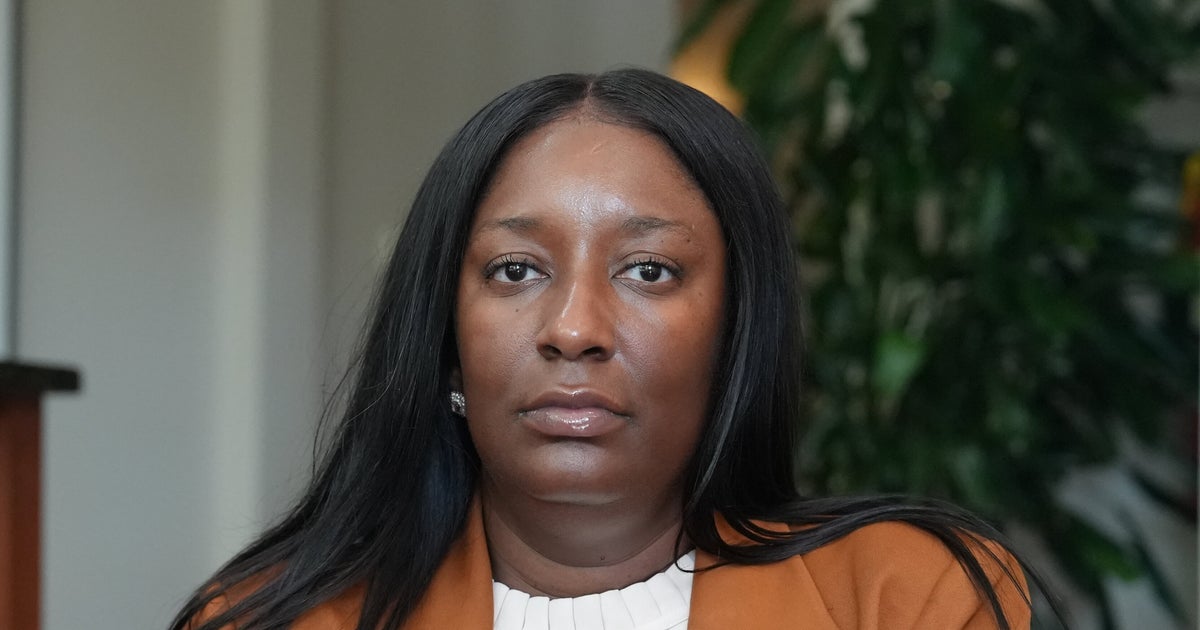
An Atlanta-area woman filed a lawsuit against Kaiser Permanente on Tuesday, alleging that a labeling error led to an incorrect cancer diagnosis and an unnecessary hysterectomy. Cassandra Barksdale, 43, claims that her tissue sample was switched with that of another patient, resulting in the surgical removal of her uterus for a disease she did not have.
Barksdale first visited the Kaiser Permanente Southwood Medical Center in Jonesboro, Georgia, in early 2025 seeking treatment for heavy bleeding and fibroids. She underwent a biopsy on March 10, 2025, and was informed a week later that she had an aggressive form of endometrial uterine cancer. Based on this diagnosis, she underwent a full hysterectomy on May 15, 2025, and began preparing for chemotherapy and end-of-life arrangements.
In September 2025, Kaiser Permanente informed Barksdale that a DNA analysis revealed the cancerous tissue sample belonged to a different patient. Kaiser Permanente released a statement acknowledging the incident, stating that Barksdale should not have experienced this and that they have since taken steps to prevent a recurrence. The lawsuit seeks unspecified damages for physical and emotional distress, including the impact on Barksdale's sons.
The concrete day-to-day change for Barksdale included months spent believing she was terminally ill, which led her to make funeral plans with her children and experience deep depression. Following the May 2025 surgery, she lives with the permanent removal of her uterus, an outcome the lawsuit attributes entirely to the March 17 labeling error. For other patients, this case highlights the potential for specimen misidentification, a phenomenon that researchers previously found occurred at a rate of three cases over two years in one prostate cancer study.
The knock-on effects of this case may influence hospital protocols regarding specimen handling and DNA verification. Kaiser Permanente stated it has already implemented "thorough processes" to prevent such errors following this incident. The case also raises questions about the health status of the second patient involved in the label switch, though privacy laws currently prevent the disclosure of whether her treatment was negatively impacted. The case is now proceeding through the Georgia court system, where a judge or jury will eventually determine the level of financial accountability for the healthcare provider.