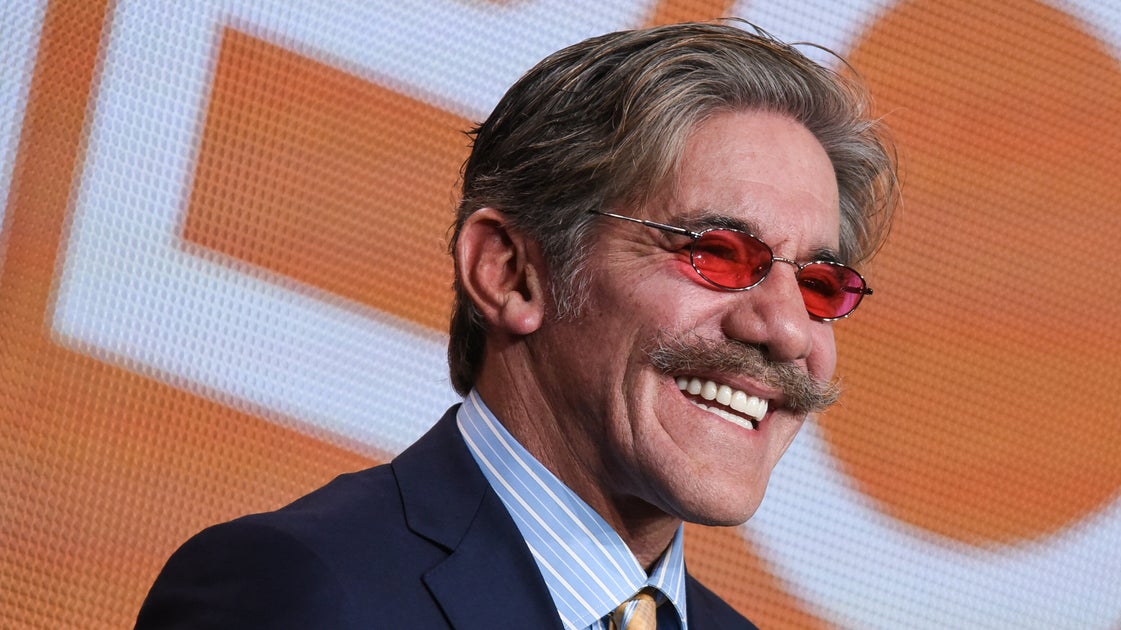
During a broadcast of "Newsnight" on Thursday, October 15, 2026, commentator Geraldo Rivera suggested that Michigan Democratic Senate candidate Abdul El-Sayed should campaign alongside "indisputably white people" to appeal to voters. Rivera stated his concern that some voters in Michigan might perceive El-Sayed, who would be the first Muslim senator in U.S. history if elected, as "radical." The remarks prompted immediate verbal pushback from other panelists on the CNN program.
Rivera described himself during the segment as a "pragmatic idealist" and argued that El-Sayed’s candidacy might be "scaring" Jewish people and others in the state. He suggested that El-Sayed should "embrace the mainstream of the Democratic Party" by surrounding himself with white Americans. When host Abby Phillip asked for clarification, Rivera questioned whether voters in northern Michigan would be more likely to support El-Sayed if he campaigned with progressive U.S. Rep. Alexandria Ocasio-Cortez (D-NY).
Panelist Charles Blow, a columnist and commentator, called Rivera's suggestion "offensive" and noted that at an El-Sayed rally he attended, the majority of the audience was white. Democratic strategist Ashley Allison also interjected to state that Ocasio-Cortez is American after Rivera contrasted her with "American, indisputably white people." Rivera responded by noting that he is a "proud Puerto Rican American." Phillip eventually called a "time out" to end the exchange.
The discussion highlights the role of identity and political surrogates in high-stakes elections. For voters in Michigan, particularly in northern regions mentioned by Rivera, the choice of campaign partners like Ocasio-Cortez could signal specific policy leanings or ideological alignments. Residents may notice these strategic choices through local campaign stops, advertisements, and media coverage in the final weeks leading up to the November election. The exchange on national television also reflects broader debates regarding how candidates of color navigate voter perceptions and party mainstreaming.
The immediate impact of the segment has been seen in public reactions on social media, where users criticized the framing of racial identity as a requirement for political viability. Following the October 15 broadcast, the focus remains on the Michigan electorate as the campaign enters its final weeks. The general election is scheduled for early November 2026, which will finalize whether El-Sayed or Rogers takes the seat. No further formal responses from the El-Sayed or Rogers campaigns were reported in the immediate aftermath of the broadcast.