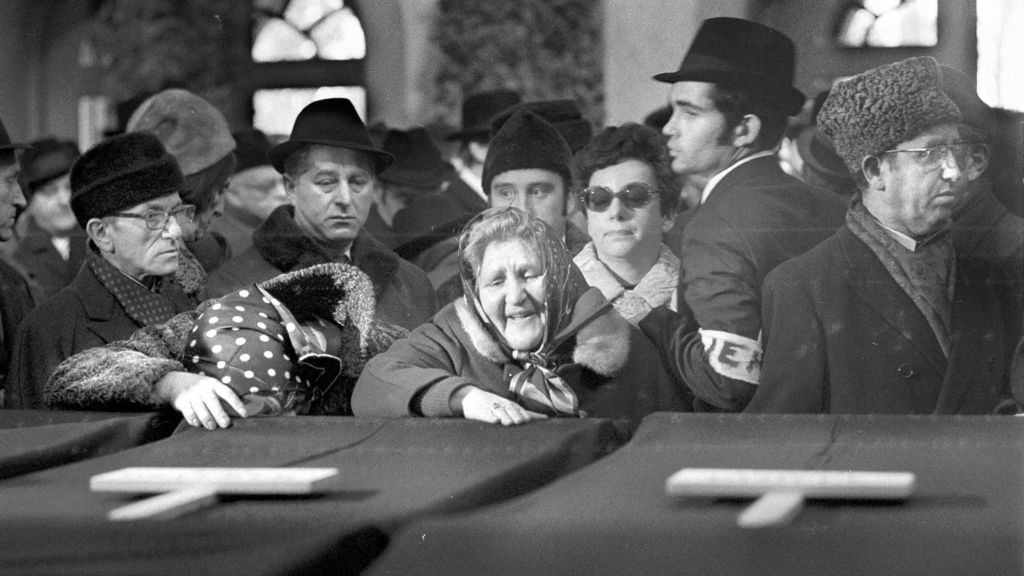
German investigators announced they have identified a deceased suspect in a 1970 arson attack at a Jewish community center in Munich that killed seven people. Munich prosecutors stated they now have compelling grounds to believe the perpetrator was a 25-year-old neo-Nazi who died in 2020. The announcement follows the reopening of the case in 2023 after new witness testimony emerged.
The fire occurred on February 13, 1970, at a retirement home located within the Jewish community building on Reichenbachstrasse. According to prosecutors, the perpetrator poured gasoline into a wooden stairwell and ignited it at approximately 8:40 p.m. The victims were Holocaust survivors between the ages of 59 and 71; four died in the stairwell, one died after jumping from a window, and two others also perished. An additional 15 people were injured in the fire.
The suspect, identified by the news outlet Der Spiegel as Bernd V, had been previously known to authorities. Prosecutors said the man had a history of antisemitic opinions and a fixation on Nazi leadership, including a juvenile conviction for blowing up two telephone kiosks. While he was brought to the attention of investigators in the early 1970s following a tip from a former cellmate, the case against him was dropped at that time due to insufficient evidence. The investigation was officially closed in 2017 before being reopened last year.
The new evidence came from a woman who contacted authorities after the death of a relative who had known the suspect. The witness reported that the suspect had been heard making antisemitic threats near the building shortly before it was engulfed in flames. According to the witness's account, the suspect was in an "antisemitic rage" following a failed burglary attempt at a nearby jewelry store on the night of the fire. Other members of the witness's family corroborated these statements, according to prosecutors.
The scale of the event involved the deaths of seven individuals and injuries to 15 others. For the families of those affected, the resolution of the case after five decades addresses a long-standing mystery, though it does not result in legal punishment. The development also highlights the limitations of the initial 1970s investigation, which Der Spiegel characterized as a failure by police because the suspect’s name was known to authorities shortly after the event but was not successfully prosecuted.
The case sets a precedent for how German authorities handle cold cases involving extremist violence, even when the primary suspect is deceased. Prosecutors emphasized that the presumption of innocence still applies to the deceased man under German law. Moving forward, the investigation is expected to conclude without further charges, as prosecutors stated there is no reliable evidence to suggest that any other individuals were involved in the 1970 attack. No future court dates are scheduled due to the suspect's death.