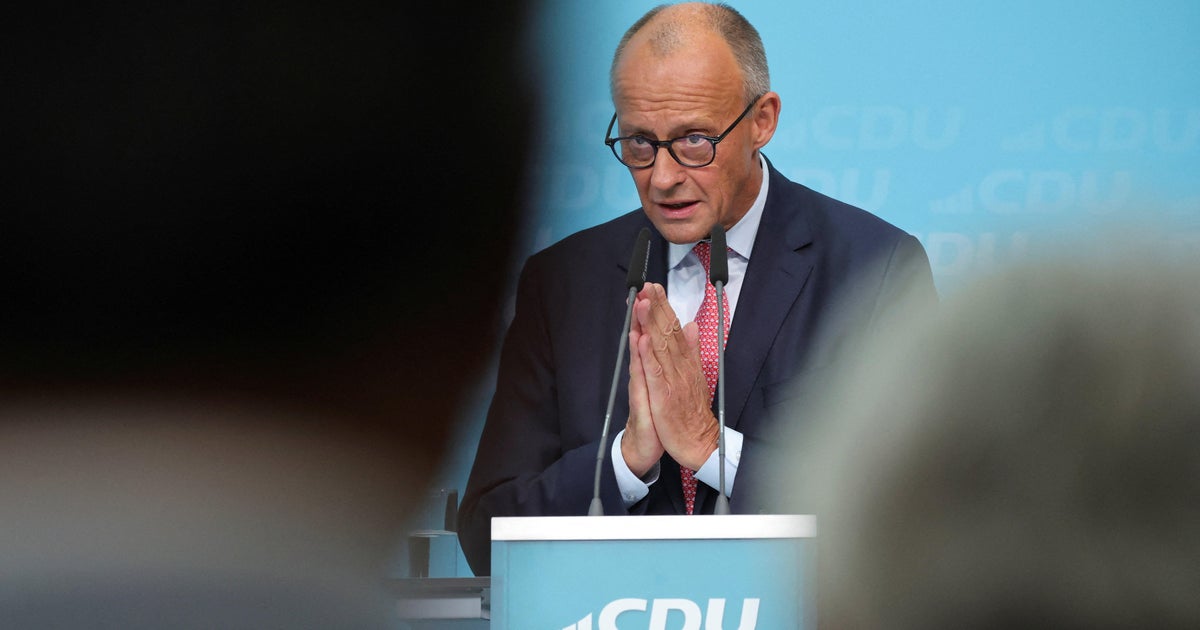
German Chancellor Friedrich Merz canceled a scheduled trip to the United Nations General Assembly in New York to address domestic political challenges following a state election in Saxony-Anhalt. Merz's party, the Christian Democratic Union (CDU), experienced a decline in support as the Alternative for Germany (AfD) party secured a victory in that state last week. Merz, a former corporate lawyer and board member who took office early last year, is currently facing decreased polling ratings amid a weak national economy.
The shift in voter sentiment follows concerns regarding immigration and the pace of economic reforms. In Saxony-Anhalt, a Konrad Adenauer Foundation analysis found that 91% of AfD supporters expressed concern over potential new arrivals of foreigners, while 85% were concerned about societal changes related to immigration. While Germany is seeing moderate growth, labor market data from August showed more than 3 million people were unemployed, representing an increase of 36,000 compared to the previous year.
In response to recent violence and concerns over Islamist terrorism, the federal government recently adopted a 10-point plan. The measures include increased surveillance of specific individuals, stricter penalties for terrorist propaganda, and changes to criminal law. Despite these steps, the CDU faces internal party debates regarding the "firewall," a policy where mainstream parties refuse to form coalitions or cooperate with the AfD. While some CDU members suggest accepting AfD votes for specific policy initiatives, others maintain a total ban on cooperation.
The stability of the German government is also at stake, though legal mechanisms for removing a chancellor are rigorous. Under the German constitution, the Bundestag (parliament) can only remove a leader through a "constructive vote of no confidence," which requires a majority to agree on a specific replacement simultaneously. This has occurred only once, in 1982. Alternatively, if Merz fails a simple vote of confidence, he could request the president to dissolve parliament, potentially triggering new national elections.
The CDU may also consider internal structural changes, such as separating the roles of party leader and chancellor. This would allow the party to change its leadership without triggering a full governmental crisis. The outcome of this leadership debate will influence how Germany handles integration, labor market demands, and its "firewall" policy against the AfD. While eight CDU state leaders publicly supported Merz this week, observers indicate the debate over his leadership will likely continue through the upcoming electoral cycle.
What happens next: Merz is scheduled to meet with CDU leadership in Berlin on Sunday. This meeting coincides with two state elections taking place the same day in Berlin and Mecklenburg-Western Pomerania. The results of these elections are expected to determine the immediate level of pressure on the Chancellor's leadership. Additionally, calls for a confidence vote could emerge later this year if the administration loses the support of lawmakers during votes on the national budget or economic reforms.