The Plain Record

Neutral daily news — clear headlines, complete facts.

National

Germany Closes Russian Consulate Following Leipzig Airport Drone Incident

Germany will close a Russian consulate and tighten entry controls after blaming Moscow for an attempted explosive drone attack at a major cargo airport.

By The Plain RecordUpdated September 2, 2026 at 9:36 AM EDT
Published September 1, 2026 at 8:00 PM EDT

The short answer

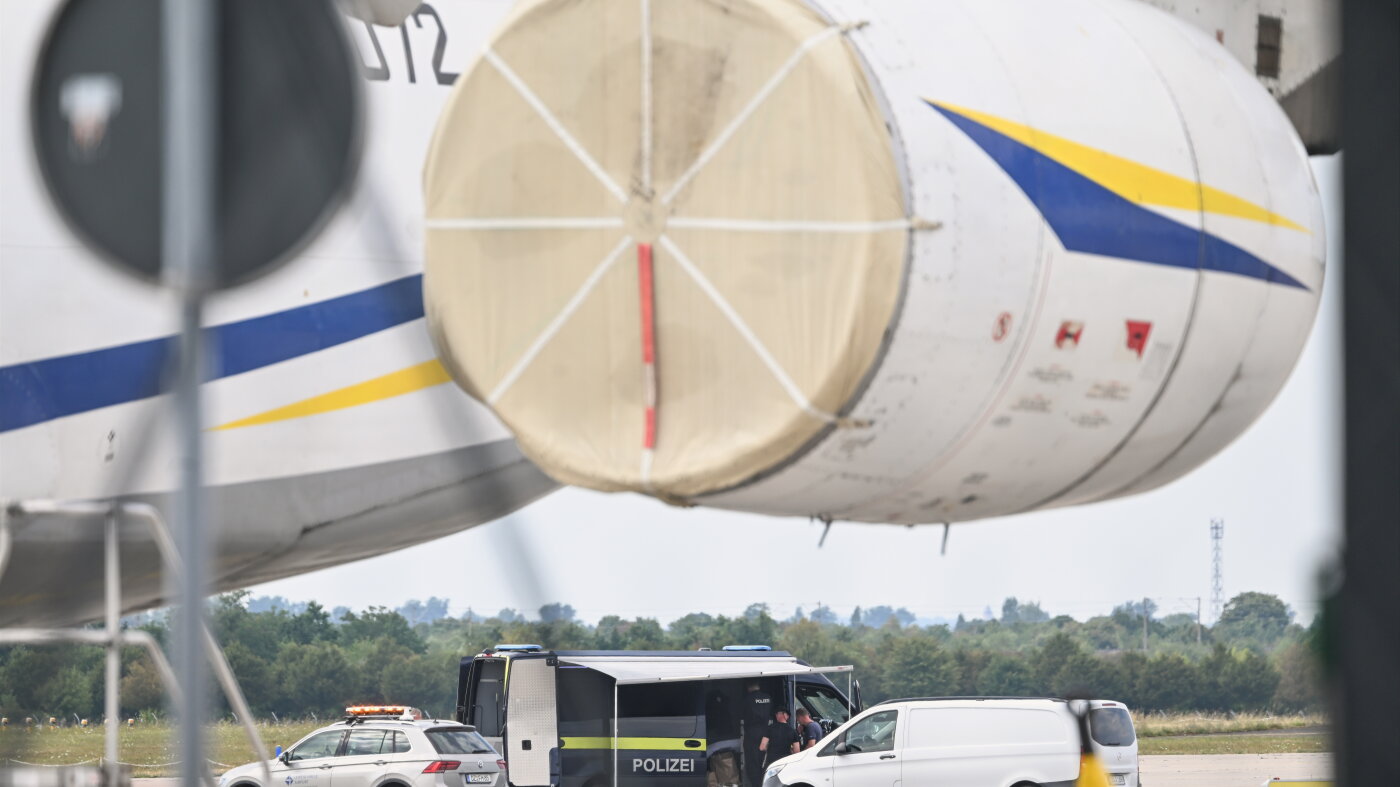
Germany will close a Russian consulate and tighten entry controls after blaming Moscow for an attempted explosive drone attack at a major cargo airport. The German government on Tuesday, September 1, 2026, formally accused Russia of orchestrating an attempted drone attack at the Leipzig/Halle Airport. German officials reported that an explosive-laden drone was discovered on August 4, 2026, near a Ukrainian cargo aircraft.

Updates (1)

  • Update — September 2, 2026 at 9:36 AM EDT: German authorities have identified two suspects in connection with an attempted drone attack on Leipzig airport but will unlikely be able to detain them, according to reports.
Germany Closes Russian Consulate Following Leipzig Airport Drone Incident

The Facts

Who
German Foreign Minister Johann Wadephul, Interior Minister Alexander Dobrindt, Russian President Vladimir Putin, and Russian Foreign Ministry spokesperson Maria Zakharova.
What
The German government blamed Russia for an attempted drone attack at Leipzig/Halle Airport and announced the closure of a Russian consulate and cultural center.
When
Tuesday, September 1, 2026 (announcement); August 4, 2026 (incident)
Where
Leipzig, Berlin, and Bonn, Germany
Why
German authorities concluded that Russia was responsible for a planned sabotage attempt at a critical logistics hub used for supporting Ukraine.

Timeline of what happened

Key dates and decisions, in the order they occurred.

  1. August 4, 2024

    Explosive-laden drone discovered at Leipzig/Halle Airport near Ukrainian aircraft.

  2. September 1, 2026

    German ministers formally blame Russia and announce consulate closures.

  3. September 2, 2026

    EU foreign ministers meet in Ireland to discuss sanctions and hybrid attacks.

  4. September 18, 2026

    Effective date for the closure of the Russian consulate in Bonn.

The German government on Tuesday, September 1, 2026, formally accused Russia of orchestrating an attempted drone attack at the Leipzig/Halle Airport. German officials reported that an explosive-laden drone was discovered on August 4, 2026, near a Ukrainian cargo aircraft. In response to the findings, Foreign Minister Johann Wadephul announced the closure of the Russian consulate in Bonn and the eventual shutdown of the Russian House cultural center in Berlin.

The announcement follows a series of investigations into what German authorities describe as "hybrid warfare"—a campaign of sabotage and disinformation intended to destabilize European nations and weaken support for Ukraine. Interior Minister Alexander Dobrindt stated that the configuration and components of the drone, including its explosives and detonator, matched those used in other known Russian operations. While the device did not detonate, officials noted it demonstrated a high degree of technical planning despite being carried out by what they described as "low-level" agents.

Investigative reports from the newspaper Sueddeutsche Zeitung, NDR, and WDR identified two suspects in the case: a Russian-born Latvian national and a Russian national from Belarus. Russian President Vladimir Putin and Foreign Ministry spokesperson Maria Zakharova have denied the allegations, calling the claims a "contrived pretext" to escalate tensions. Putin further suggested that evidence had been "planted" by German leadership.

The closure of the Bonn consulate, effective September 18, 2026, reduces Russia’s diplomatic footprint in Germany, while the shuttering of the Russian House in Berlin impacts cultural exchange programs. Additionally, the German government announced plans to tighten entry controls for Russian nationals and push for the addition of more individuals to European Union sanctions lists.

The incident at Leipzig/Halle Airport involves critical infrastructure serving as a hub for international freight and support for Ukraine. The airport hosts NATO’s Strategic Airlift International Solution (SALIS), which coordinates equipment deliveries to NATO battle groups along the eastern flank from Finland to Romania.

Looking forward, the German government is seeking parliamentary approval to grant its intelligence services broader powers to disable sabotage attempts. The European Union is also expected to increase pressure on the "shadow fleet"—tankers suspected of shipping Russian oil in violation of international sanctions. Following a summit in Ireland on Wednesday, September 2, 2026, EU members and NATO allies, who have expressed solidarity with Germany, will determine if further coordinated sanctions or security measures are necessary.

Summaries are written by The Plain Record to state the facts of a story plainly and without political slant. Drafted with AI assistance and checked against the source record before publication. See how we report, or report a correction.

← Back to the front page

Questions readers ask

What happened: Germany Closes Russian Consulate Following Leipzig Airport Drone Incident?

The German government blamed Russia for an attempted drone attack at Leipzig/Halle Airport and announced the closure of a Russian consulate and cultural center.

Who is involved?

German Foreign Minister Johann Wadephul, Interior Minister Alexander Dobrindt, Russian President Vladimir Putin, and Russian Foreign Ministry spokesperson Maria Zakharova.

When did this happen?

Tuesday, September 1, 2026 (announcement); August 4, 2026 (incident)

Where did this happen?

Leipzig, Berlin, and Bonn, Germany

Why does this matter?

German authorities concluded that Russia was responsible for a planned sabotage attempt at a critical logistics hub used for supporting Ukraine.