The Plain Record

Neutral daily news — clear headlines, complete facts.

National

Ghanaian Chef Wins Jollof Rice Competition at Washington Festival

Approximately 2,000 people attended a blind tasting festival in Washington, D.C., where a Ghanaian chef won the regional title for best jollof rice.

Published August 19, 2026 at 8:00 PM EDT

The short answer

Approximately 2,000 people attended a blind tasting festival in Washington, D.C., where a Ghanaian chef won the regional title for best jollof rice. Organizers of the Jollof Festival held a blind tasting competition in Washington, D.C., on Saturday to determine which country produces the best version of the West African rice dish.

Ghanaian Chef Wins Jollof Rice Competition at Washington Festival

The Facts

Who
Chef Kafui Attakpah, Chef Jermaine Foreman-Marshall, and 2,000 festival attendees.
What
A blind tasting competition to determine the best regional version of jollof rice.
When
Saturday, August 15, 2026 (based on the Thursday, August 20 publication date)
Where
Union Market, Washington, D.C.
Why
To settle a regional rivalry over the West African dish and promote African food culture in the United States.

Timeline of what happened

Key dates and decisions, in the order they occurred.

  1. 2017

    Jollof Festival competition begins

  2. August 20, 2026

    Ghanaian chef Kafui Attakpah announced as D.C. winner

  3. August 22, 2026

    World Jollof Day scheduled

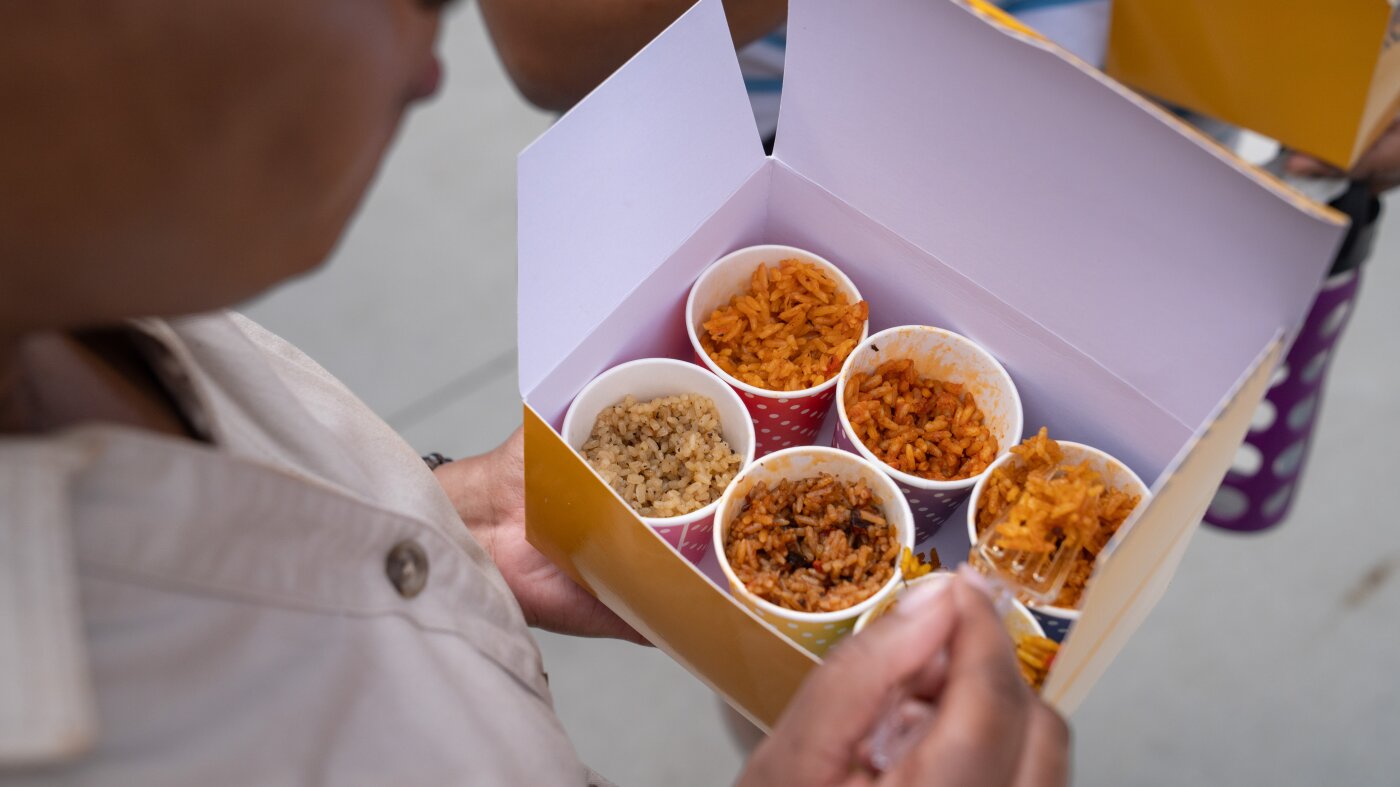
Organizers of the Jollof Festival held a blind tasting competition in Washington, D.C., on Saturday to determine which country produces the best version of the West African rice dish. Approximately 2,000 attendees gathered at Union Market to sample color-coded entries from six countries, resulting in a victory for Ghanaian chef Kafui Attakpah.

The festival addresses a long-standing regional rivalry regarding jollof rice, a dish of rice, tomatoes, spices, and meat. While Nigeria and Ghana are primary rivals in the debate, Senegal claims the dish originated there in the 14th century. The competition has toured various U.S. cities since 2017 to engage the African diaspora and local food enthusiasts.

In the D.C. competition, samples were prepared by local chefs representing Nigeria, Ghana, Senegal, Sierra Leone, Liberia, and, for the first time, the United States. Attakpah, co-owner of Calabash African Cuisine & Bar, secured his third consecutive win. American chef Jermaine Foreman-Marshall of The Maine Course placed second.

The concrete day-to-day change for participants involves the public validation of their culinary heritage and business brands. For the winners and high-placers, such as the American "cousin" who took second place, the recognition serves as a marketing tool for their catering and restaurant businesses. Attendees experience a direct cultural exchange through food, which participants like Virginia Richards noted helps elevate the visibility of smaller nations like Liberia.

The knock-on effects include the promotion of "World Jollof Day" on August 22 and the continued growth of the West African food market in the U.S. This festival sets a precedent for using blind taste tests to settle regional culinary debates while promoting cultural education. The tour is scheduled to continue this fall with stops in Atlanta, Dallas, Houston, and North Carolina Central University. Admission details and specific dates for these upcoming events were not included in the report.

Summaries are written by The Plain Record to state the facts of a story plainly and without political slant. See our editorial standards, or report a correction.

← Back to the front page

Questions readers ask

What happened: Ghanaian Chef Wins Jollof Rice Competition at Washington Festival?

A blind tasting competition to determine the best regional version of jollof rice.

Who is involved?

Chef Kafui Attakpah, Chef Jermaine Foreman-Marshall, and 2,000 festival attendees.

When did this happen?

Saturday, August 15, 2026 (based on the Thursday, August 20 publication date)

Where did this happen?

Union Market, Washington, D.C.

Why does this matter?

To settle a regional rivalry over the West African dish and promote African food culture in the United States.