A new report from the Global Fund to Fight AIDS, Tuberculosis and Malaria indicates that 26.9 million people received antiretroviral therapy in 2025 within countries where the organization invests. Despite this reported increase in treatment access, advocacy groups note that overall donor government funding for HIV decreased by $2.1 billion (£1.6 billion) in 2025, representing a 25 percent reduction compared to 2024 levels.
Kirsty McNeill, the UK Minister for International Development and Africa, stated the week of September 14, 2026, that the government intends to shift toward a partnership-based model of international development. This approach aims to move away from hierarchical aid systems toward collaborative efforts. However, the UK's Official Development Assistance (ODA) budget was reduced to 0.3 percent in 2025, raising questions about the future of British financial support for global health initiatives.
The Global Fund's 2025 data shows that AIDS-related deaths have fallen to 570,000, a 57 percent decrease from the 1.3 million deaths recorded in 2010. By comparison, when the UK co-founded the Global Fund in 2002, only 102,000 people—less than 1 percent of those living with HIV—had access to treatment. While treatment reach has expanded, funding cuts have reduced the capacity of some community-led prevention and support organizations by 50 percent.
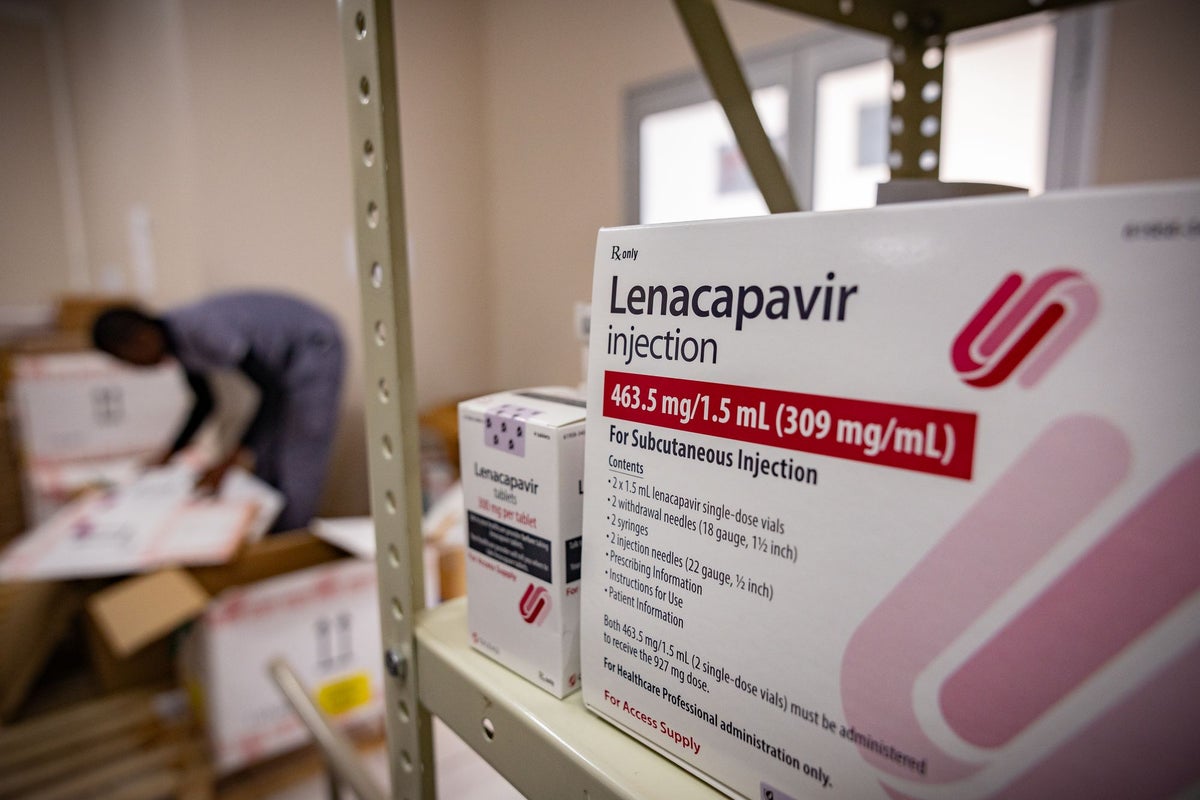
For individuals in low- and middle-income countries, these fiscal shifts determine whether they can access medical advances such as lenacapavir, a twice-yearly injectable for HIV prevention. A person relying on community-led support may notice a 50 percent reduction in available services or outreach programs as organizations scale back due to the 25 percent drop in donor contributions. These changes are occurring alongside what UNAIDS describes as an increase in the criminalization of marginalized groups and a rollback on human rights protections.
The trajectory of these funding and policy decisions will determine if the international community meets the goal of ending AIDS as a public health threat by 2030. The next few years are described by advocacy group STOPAIDS as a critical period for establishing sustainable funding and medical accessibility. Future developments will depend on whether donor nations, including the UK, maintain political and financial commitments to global health partnerships and community-led response models. Currently, it is not reported if or when the UK plans to return ODA spending to previous levels.