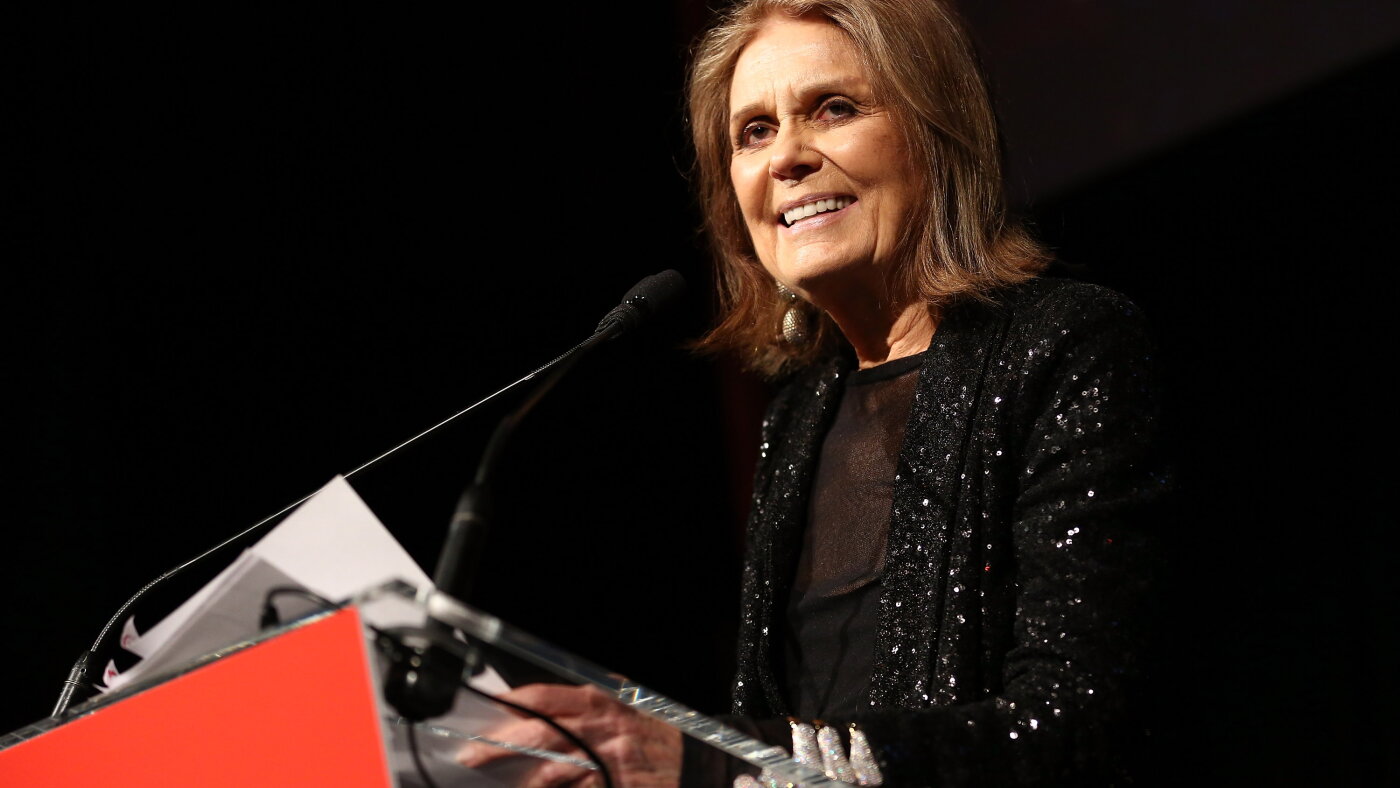
Gloria Steinem, a journalist and activist who helped lead the women’s liberation movement in the 20th century, died Wednesday, September 2, 2026, at the age of 92. The Gloria Steinem Foundation and her personal Instagram account announced her passing on Thursday, stating she died peacefully at her home in New York City. A specific cause of death was not provided.
Steinem became a prominent public figure in the 1960s and 1970s, a period during which she challenged gender stereotypes and advocated for equality for women. After graduating from Smith College in 1956 and spending two years on a fellowship in India, she began a career in freelance journalism in New York. In 1963, she gained national attention for an undercover exposé titled "A Bunny’s Tale," which documented the working conditions and sexual harassment faced by waitresses at Hugh Hefner’s Playboy Club.
In 1971, Steinem helped form the National Women’s Political Caucus to increase female representation in government. In 1972, she co-founded *Ms.* magazine with Dorothy Pittman Hughes. The publication was widely regarded as the first national magazine run by and written for women, addressing topics such as domestic abuse, sexual harassment, and reproductive rights. In 2013, then-President Barack Obama awarded her the Presidential Medal of Freedom for her commitment to activism.
Steinem's activism contributed to shifts in workplace and legal rights. This includes the creation of "Take Our Daughters to Work Day" by the Ms. Foundation for Women and the mainstreaming of the honorific "Ms." to allow women to be identified without reference to their marital status. Her advocacy for reproductive freedom—informed by her own experience seeking an illegal abortion at age 22—helped shape the public debate surrounding reproductive health.
The impact of Steinem’s work extended to the creation of institutions such as the Ms. Foundation for Women and the Women's Action Alliance, which supported battered women’s shelters and fought against gender stereotyping. While she faced criticism from the political right for her stance on family values and from some on the political left for a perceived lack of diversity of opinion, her influence on the definitions of equality remains a cornerstone of the women's rights movement. No funeral or memorial dates were immediately announced following the notification of her death.