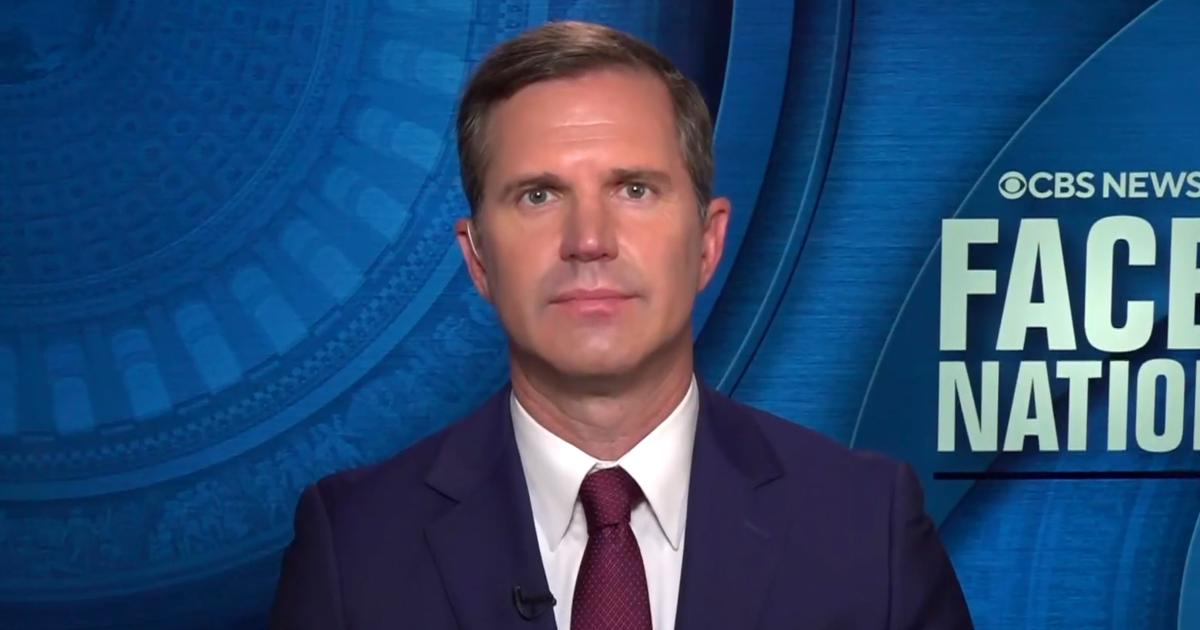
Kentucky Governor Andy Beshear (D) stated on Sunday that he has received no response from Sen. Mitch McConnell (R-KY) following multiple formal requests for information regarding the senator's health. The governor’s inquiries followed a weekslong hospitalization for McConnell that began in mid-June. While McConnell has released written statements about his recovery, he has not personally addressed the public verbally or through video since the incident.
McConnell, 84, was hospitalized on June 14 following a fall. After several weeks of limited information from his office, the senator released a statement confirming he had moved to a rehabilitation center. Earlier this month, a subsequent statement announced his discharge from rehabilitation to continue recovery at home. The statements did not provide a specific date for when McConnell would return to his duties on Capitol Hill.
Governor Beshear sent a formal letter to McConnell on July 8 citing public concern and requesting a full update on the senator's ability to hold office. Later that month, Beshear sent a second letter urging the senator to "directly and verbally" address his constituents to provide proof of his capacity to serve. During a Sunday interview on "Face the Nation," Beshear noted that while he hopes the senator is improving, he believes McConnell is accountable to the people of Kentucky and should provide a brief video or audio update.
Beshear also criticized Senate Majority Leader John Thune (R-SD) for his handling of the situation. The governor argued that as the leader of the Senate, Thune has a duty to ensure that all senators have the capacity to serve their constituents. Thune has previously deferred to McConnell’s staff for health updates while expressing hope for the senator's return. Beshear characterized the lack of direct communication as a sign of a lack of accountability within the Republican-controlled Senate.
The situation also highlights a conflict between state leadership and federal representation. The scale of the impact involves the leadership of a Senate seat that has been held by McConnell since 1985. For Kentuckians, the concrete day-to-day change is a lack of certainty regarding their representation in Washington, D.C. A person in Kentucky would notice this through the absence of their senior senator from active floor votes and the ongoing debate between the Governor and Senate leadership regarding the transparency of the senator's health status.
Furthermore, this sets a precedent regarding the level of health disclosure expected from long-serving federal officials. The knock-on effects could influence future policy or internal Senate rules regarding how the capacity of a member to serve is verified. While McConnell is recovering at home, his office has not yet reported a deadline or a specific date for his return to Washington. The next steps depend on whether McConnell chooses to provide a verbal update or when his medical team clears him to resume legislative duties on Capitol Hill.