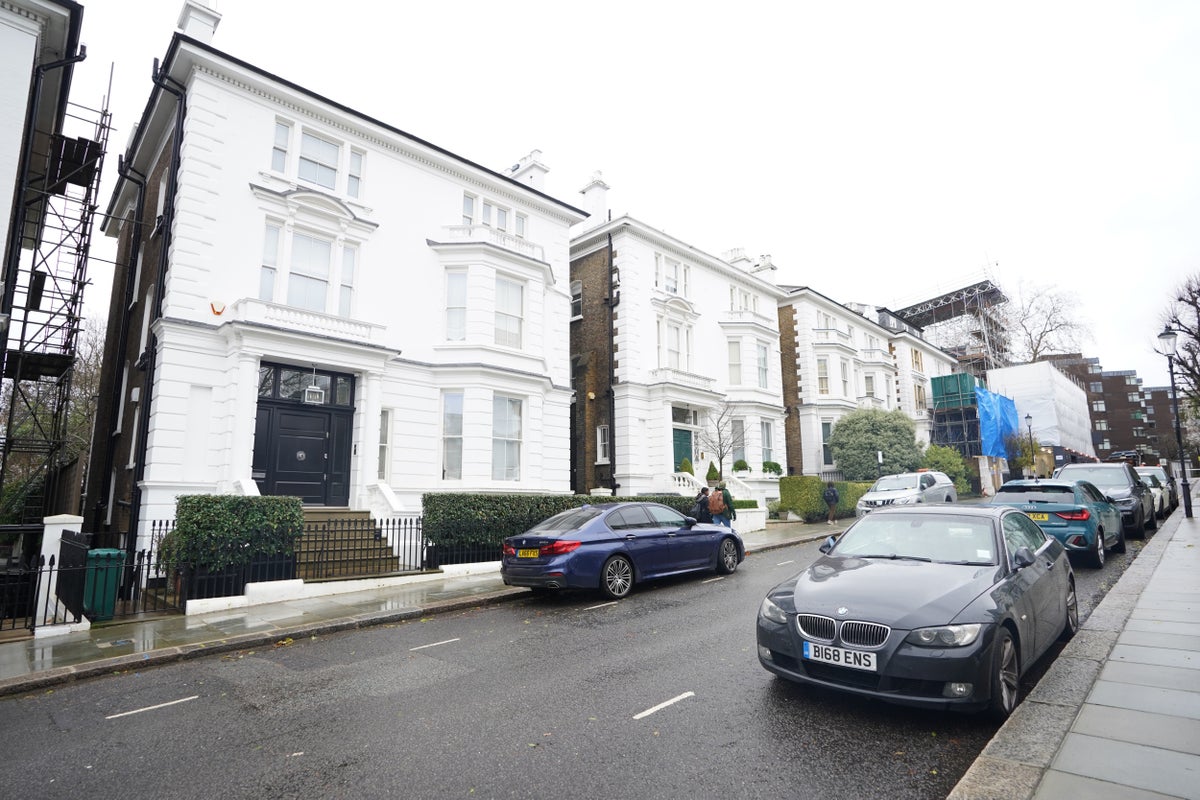
Chancellor John Healey has reportedly rejected proposals to lower the threshold for a new annual property levy, commonly referred to as a mansion tax, ahead of his upcoming budget. Sources told The Times that the government will maintain the previously announced £2 million entry point for the tax, rather than lowering it to £1.5 million to generate additional revenue.
The annual levy was first announced by Rachel Reeves in 2025 as a tax on high-value homes in England. Under the current plan, properties valued just over £2 million will be subject to a £2,500 annual charge, while those valued at more than £5 million will face a £7,500 yearly fee. The surcharge is scheduled to begin in April 2028.
According to reports, Treasury officials considered lowering the threshold to £1.5 million to address a decrease in fiscal headroom caused by rising borrowing costs and slower growth linked to the war in Iran. However, Mr. Healey reportedly decided against the change to avoid undermining public support for the reform before its implementation. Conservative Party leader Kemi Badenoch has criticized the policy, pledging to scrap the levy and abolish death duties on family homes if elected.
The retention of the £2 million threshold comes as the government manages competing economic pressures. While the war in Iran has extended an energy shock and increased government borrowing costs, new forecasts from the International Monetary Fund (IMF) released on Monday, October 12, 2026, suggest that artificial intelligence is contributing to UK economic growth. The IMF upgraded its 2026 GDP growth forecast for the UK to 1.3 percent, a 0.5-point increase from its April projections.
The outcome of this policy remains a point of political debate between the Labour government and the Conservative opposition. Conservative leader Kemi Badenoch has proposed allowing couples to leave an additional £1 million tax-free, positioning her party against the new property charges. The next formal steps will occur during the government's budget announcement scheduled for November 2026, which will provide further details on tax and spending plans. The Treasury has not yet issued a formal comment on the reported decision.