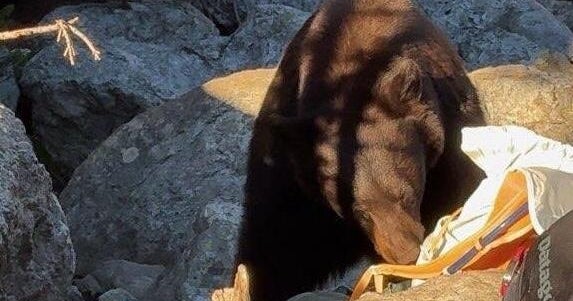
--- Grand Teton National Park officials euthanized a black bear on Friday, Sept. 11, after the animal exhibited behavior they described as food-conditioned. The park service stated that the decision followed several days of escalated behavior where the bear repeatedly approached visitors in the Delta Lake area. Park staff reported that the bear became difficult to haze away from human presence, leading to the determination that it posed a safety risk.
Wildlife managers had monitored the bear since earlier in the year following initial reports of it approaching visitors. At that time, officials stated there was insufficient information to determine if the behavior was an isolated incident or the result of food-conditioning. After further observation, managers concluded the bear had received repeated food rewards from human sources, which influenced the decision to lethally remove the animal.
Park staff removed the bear's carcass from the backcountry the morning after it was euthanized. In a statement, the park attributed the necessity of the action to the decisions of visitors who left food unattended or allowed the bear to obtain food rewards. Officials stated that while translocation is a management tool, it was not considered a safe or effective option in this specific case due to the bear's proximity to humans and the perceived risk to public safety.
Visitors to the park will notice a continued emphasis on food storage requirements, which include sealing and packing away all food items immediately if a bear approaches. The National Park Service (NPS), which manages the site, notes that once a bear associates human areas like campgrounds or picnic spots with food, the animal may aggressively pursue those sources. This highlights how visitors must manage their supplies, as unattended food can lead to a bear being classified as a safety threat. Failure to follow these protocols can lead to the removal of wildlife from the ecosystem.
The effects of this decision involve the park's management policies regarding "last resort" actions. By choosing lethal removal over translocation, the park indicated that bears exhibiting food-conditioning in remote areas may not be moved to other locations if the risk to human safety is deemed "unacceptable." This policy emphasizes visitor compliance with waste and food management rules. Park officials continue to urge visitors to make decisions that keep bears wild to avoid future euthanizations. ---