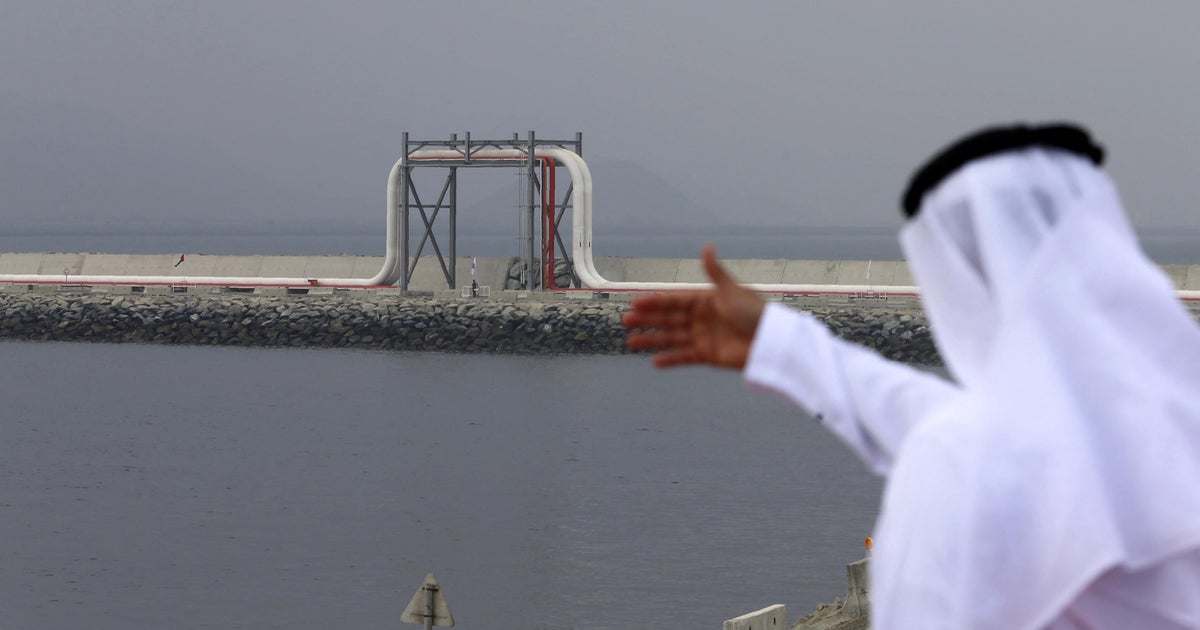
Oil-producing nations in the Persian Gulf are developing several pipeline projects to bypass the Strait of Hormuz following ongoing maritime disruptions. Before current hostilities, approximately 15 million barrels of oil per day passed through the waterway. Brent Crude prices rose above $100 per barrel on Thursday as shipping traffic remained restricted.
Saudi Arabia and the United Arab Emirates (UAE) have transitioned existing infrastructure to near-maximum capacity. The Saudi East-West pipeline is currently transporting oil to the Red Sea, while the UAE has increased flows to the port of Fujairah. The Abu Dhabi National Oil Company is currently constructing a $3 billion pipeline to Fujairah, scheduled for completion by 2027, which is expected to increase export capacity by 1.2 million barrels per day.
Iraq is also pursuing alternative routes to reduce its reliance on the strait, which previously handled 3 million barrels of its daily exports. Proposed projects include a pipeline from Basra to Ceyhan, Turkey, and a separate route through Jordan to the port of Aqaba. Analysts at Goldman Sachs estimate that if all currently planned projects are completed, roughly 60% of the region's pre-conflict export volume could bypass the Strait of Hormuz.
While pipelines offer an alternative to the strait, analysts and officials note continued security risks. Houthi rebels in Yemen claimed responsibility for attacking two Saudi tankers in the Red Sea on Thursday and have previously targeted pipeline infrastructure with drones. Additionally, pipelines cannot transport liquefied natural gas (LNG), which continues to rely on maritime transit.