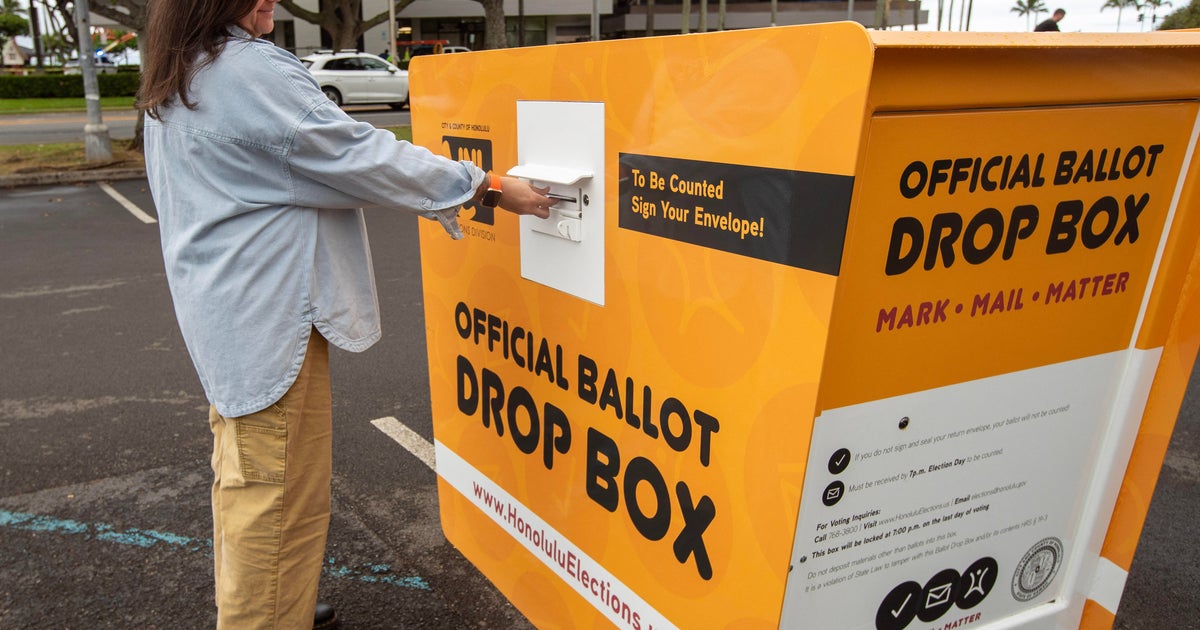
Voters in Hawaii participated in primary elections on Saturday to select nominees for congressional and gubernatorial offices. The primary featured a challenge to incumbent Rep. Ed Case (D-HI) by state Sen. Jarrett Keohokalole for the Democratic nomination in the 1st Congressional District, which covers Honolulu and parts of Oʻahu.
The contest follows a trend in the 2026 election cycle where Democratic incumbents in safe districts in New York and Colorado have been defeated by primary challengers. In Hawaii, where the Democratic Party holds a significant majority, the winners of the Saturday primaries are considered the favorites for the general election in November.
Rep. Ed Case, 73, has served the 1st District since 2019 and previously represented the 2nd District from 2002 to 2007. During the campaign, Case told Hawaii Public Radio that his seniority in the House provides necessary influence, relationships, and experience, citing his work during three consecutive crises. His challenger, 42-year-old state Sen. Jarrett Keohokalole, argued that the district requires change and cited Case’s vote for the SAVE America Act as a point of contention.
In other races, Gov. Josh Green (D-HI) faced three challengers in the Democratic primary, though Honolulu Civil Beat reported that none of those challengers had recorded raising or spending funds. The Republican gubernatorial primary featured two candidates. In the 2nd Congressional District, Rep. Jill Tokuda (D-HI) faced three challengers, including one individual arrested in May for an incident involving county workers on Maui. State Sen. Brenton Awa and Adriel Lam ran unopposed for the Republican nominations in the 2nd and 1st Districts, respectively.
For individual voters and residents, these elections determine who will manage state resources and represent their interests in federal budget negotiations and policy-making. While the specific dollar amounts for the 1st District race were not detailed, the outcome influences how federal influence is leveraged for the islands. The use of seniority by an incumbent versus a challenger’s push for new leadership represents a choice between established legislative methods and a different approach to federal representation.
The primary results also set the stage for the general election on November 3, 2026. While Republican candidates like Adriel Lam and Brenton Awa have secured their spots on the ballot, they face a historical disadvantage in a state where Democratic nominees typically win. Following the primary, the focus will shift to the final campaign stretch before the general election, where the winners of Saturday's contests will appear on the ballot for all registered Hawaii voters.