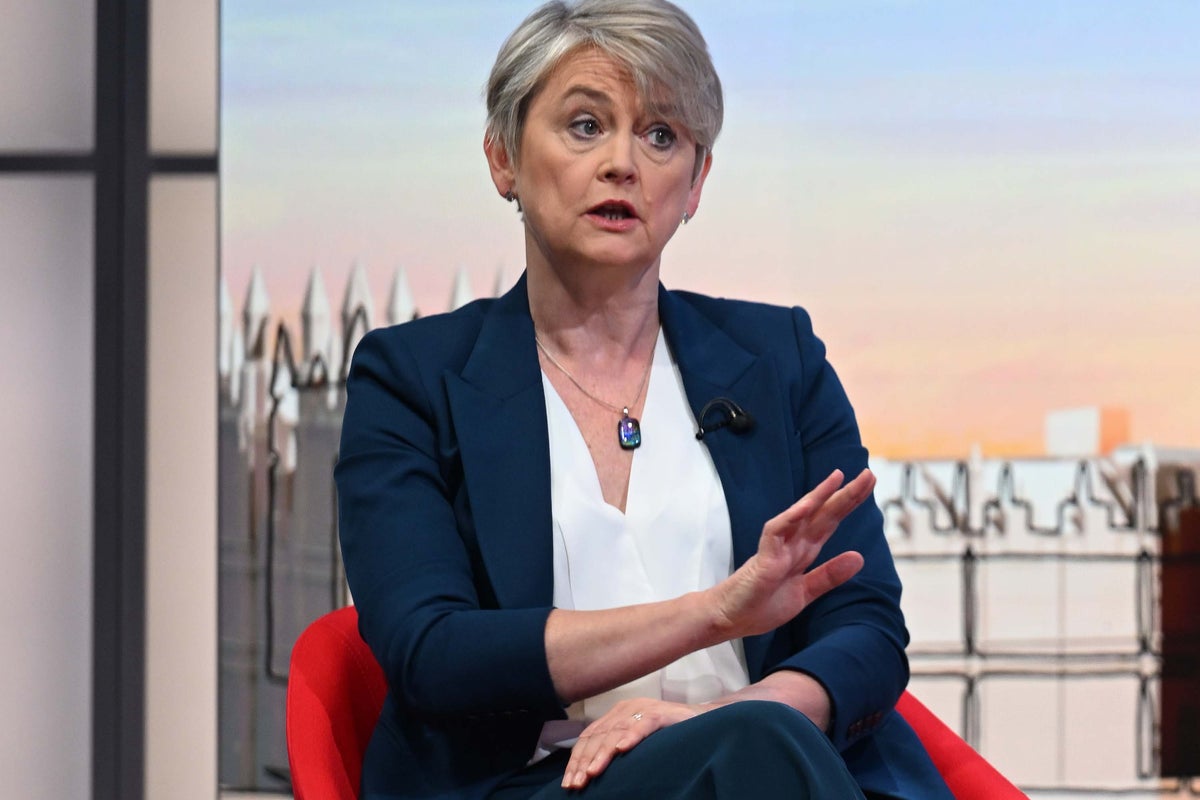
Health Secretary Wes Streeting announced on Sunday, October 18, 2026, that he has instructed NHS England to develop an urgent plan to eliminate "corridor care" for children. Speaking on the BBC’s Sunday With Laura Kuenssberg, Streeting stated that he asked the chief executive of NHS England to draw up new standards for how young patients are treated in accident and emergency (A&E) departments. The proposal includes a goal to end the practice of treating patients in hallways across the entire National Health Service (NHS) over the course of the current Parliament.
The announcement follows the release of NHS figures showing an increase in patient wait times. In September 2026, the number of people in England waiting more than 12 hours from a decision to admit to actual admission rose to 50,582, up from 44,951 in August. Patients waiting at least four hours also increased to 129,199 in September from 118,550 the previous month. Streeting noted that while general metrics for corridor care began this summer, the government will now specifically track figures for children.
Prior to the television appearance, the Health Secretary announced a £140 million investment for urgent care in England to prepare for a winter he described as more challenging than normal. The funding is designated for 14 schemes nationwide, including new urgent care centres, upgrades to emergency departments, and additions to ambulance fleets. Streeting characterized child health and maternity care as areas that have historically been treated as a "sidecar" for the NHS and stated they must now become a priority.
The scale of the issue is reflected in the 12.5% monthly increase in patients waiting over 12 hours for a bed between August and September 2026. The £140 million investment represents roughly £10 million per regional scheme if distributed evenly across the 14 projects. This funding is intended to provide physical infrastructure, such as new centers and ambulances, which may impact how quickly patients are seen by paramedics or admitted from emergency rooms during the peak winter months.
The initiative sets a precedent for how the NHS prioritizes pediatric care relative to other departments. Streeting stated that "investment follows" priority, suggesting that funding may be shifted from other parts of the NHS budget to support these interventions. The timeline for these changes involves two stages: the immediate creation of new treatment standards for children by NHS England, followed by a broader plan to phase out corridor care for all patients by the end of the current Parliament. Specific effective dates for the new standards and the start dates for the 14 infrastructure projects were not reported.