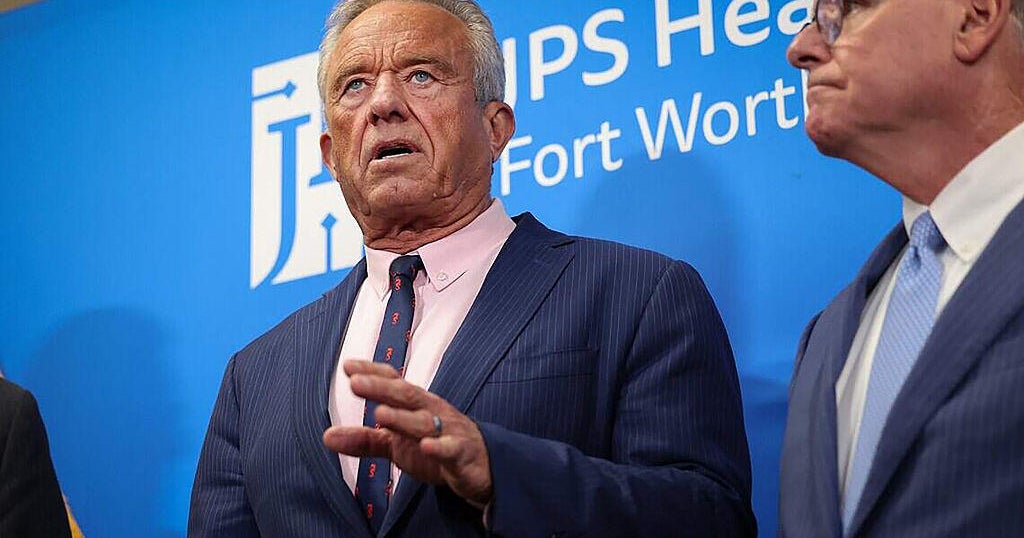
Health and Human Services (HHS) Secretary Robert F. Kennedy Jr. issued a draft policy on Wednesday, Oct. 28, 2026, stating that the department does not intend to take enforcement action against compounding pharmacies that prepare six specific peptides that lack Food and Drug Administration (FDA) approval. The six substances are BPC-157, Epitalon, KPV, MOTS-c, Semax, and TB-500. Compounding pharmacies mix ingredients to create customized medications for individual patients.
The action follows a July 2026 meeting where an FDA advisory panel voted to recommend allowing these six peptides to be used in compounding. That vote occurred despite opposition from FDA scientific staff, who stated there was insufficient evidence regarding the safety and effectiveness of the substances. In 2023, the FDA had previously placed several of these peptides on a list of substances that should not be compounded due to potential risks, including kidney damage, tumor growth, and allergic reactions.
Under the new guidance, HHS stated it does not intend to take enforcement action against licensed pharmacies or physicians who compound these specific peptides, provided they follow certain safeguards. These requirements include using ingredients from FDA-registered manufacturers, obtaining lab certificates for raw materials, and reporting serious side effects. Kennedy stated the policy is intended to provide a "controlled alternative" to unregulated black-market sources while advancing "patient choice and freedom."
The financial scale of this shift is notable, as Wall Street analysts estimate the market for wellness peptides could exceed $2 billion. Major telehealth providers, such as Hims & Hers, have already indicated plans to offer these products following the policy change. Supporters, such as the American Academy of Peptide Medicine, described the move as a step for medical freedom. Conversely, a former FDA official warned that the policy might lead patients away from tested treatments for conditions like insomnia and migraines, potentially resulting in unnecessary health complications.
The policy establishes a new precedent for HHS taking the lead in drafting compounding regulations, a role traditionally delegated to the FDA. While the FDA provided technical assistance for the safety guardrails, sources familiar with the matter reported that agency staffers remained concerned about undermining the standard for U.S. market entry. The draft policy is open for public comment from Friday, Oct. 30, through Nov. 13, 2026. It will remain in effect until the FDA finalizes its own rule regarding compounded peptides, a step the agency has not yet proposed.