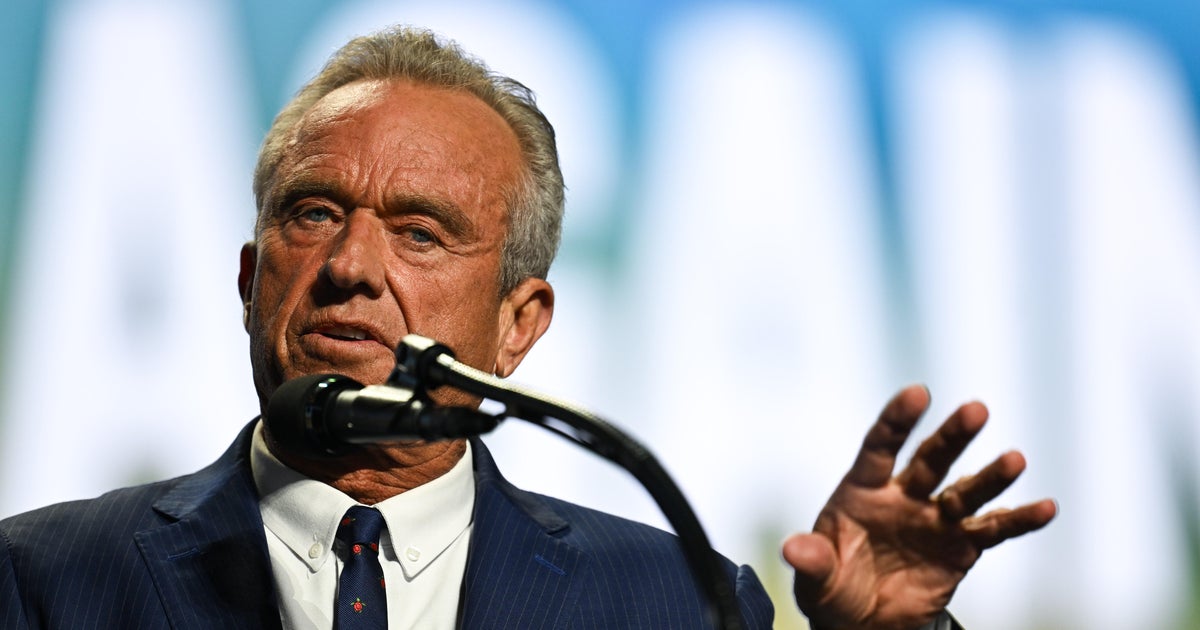
Health and Human Services (HHS) Secretary Robert F. Kennedy Jr. delivered a keynote address on a Thursday to the Children’s Health Defense conference, an organization he formerly chaired. During the speech, Kennedy told attendees they have a "strong and steadfast friend" in the White House and highlighted efforts by the Trump administration to modify federal vaccine policies. The appearance marked his first time at the conference since joining the cabinet, following a leave of absence he took from the group during his 2023 presidential campaign.
The address follows administration actions regarding public health guidance, including an executive order issued last month calling for the spacing out of measles, mumps, and rubella (MMR) vaccines. Kennedy stated that the administration has sought to downsize the childhood vaccination schedule and reshape a vaccine advisory board, though he noted these steps were recently halted by a judge. Kennedy told the audience that while the administration has preserved access to vaccines, it has begun "asking the questions" that parents have raised regarding vaccine safety.
Medical associations and public officials have expressed concern over the administration’s direction. Pennsylvania Governor Josh Shapiro criticized Kennedy’s attendance at the event, noting that the secretary did not use the platform to encourage measles vaccinations during a year when Pennsylvania has reported four measles-associated deaths. All four individuals were unvaccinated, according to the state health department. Shaughnessy Naughton of 314 Action, a group that recruits scientists for office, called for Kennedy to step aside, citing the measles outbreak.
The scale of the impact is reflected in public health data, which shows the United States is experiencing its highest number of measles cases since 1991. Over the last two years, seven measles-associated deaths have been reported nationally, a figure higher than the combined total from the preceding three decades. In Pennsylvania, four deaths were recorded this year among the unvaccinated. Critics argue these policy shifts contribute to an erosion of trust in public health agencies, which could lead to lower immunization rates and increased transmission of preventable diseases.
The effects include potential legal and political conflict between federal and state authorities. The disagreement between Kennedy and Governor Shapiro highlights a divide in how different levels of government manage disease outbreaks. Future policy will be shaped by the outcome of court cases, as a judge has already halted some of the administration’s attempts to overhaul the vaccine advisory board and schedule. The next steps involve monitoring of the measles outbreak and potential further executive actions or court rulings regarding the legality of the administration's changes to health guidance.