The Plain Record

Neutral daily news — clear headlines, complete facts.

National

History of American school bus color and design standards detailed

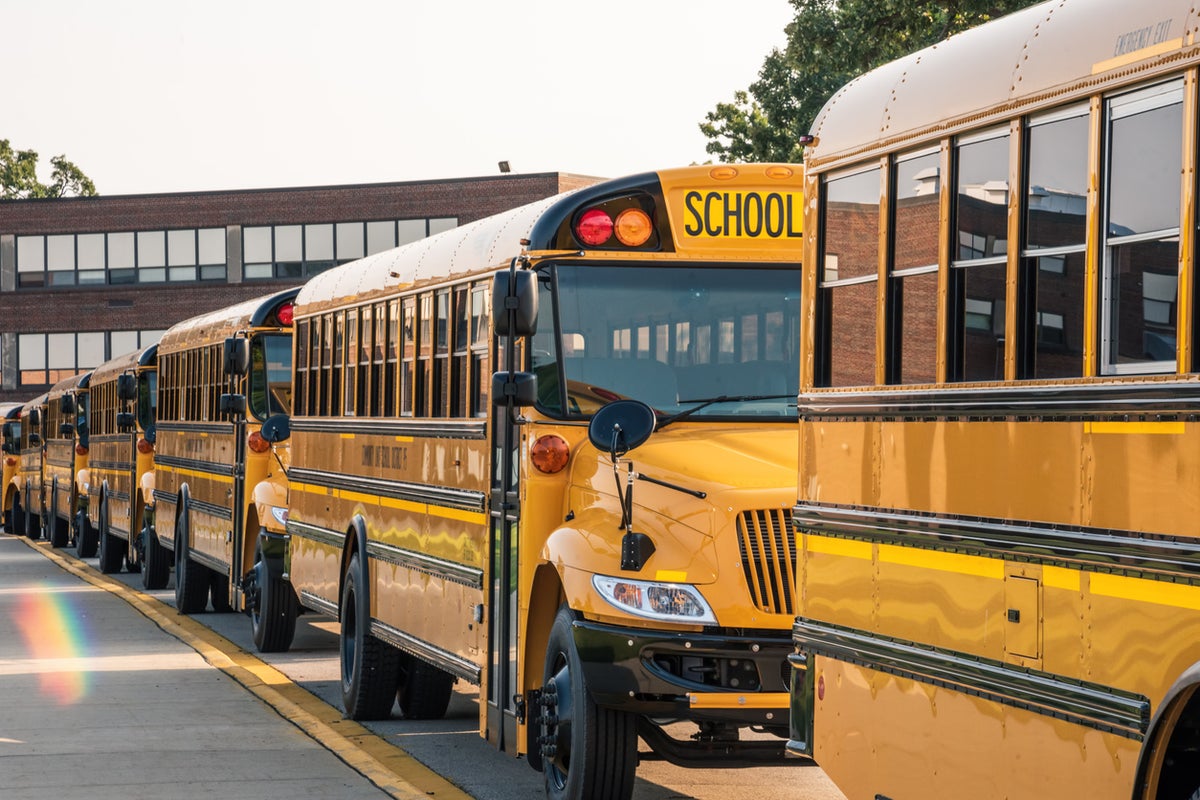
A 1939 safety conference established the high-visibility yellow shade for U.S. school buses, which once transported 60 percent of the nation's students.

Published August 21, 2026 at 3:27 PM EDT

The short answer

A 1939 safety conference established the high-visibility yellow shade for U.S. school buses, which once transported 60 percent of the nation's students. The distinct yellow color of American school buses resulted from a 1939 conference of transportation officials rather than a federal mandate.

History of American school bus color and design standards detailed

The Facts

Who
Albert Luce, transportation officials from 48 states, and school bus drivers Carl Fisher and Jim Oppegard.
What
The history and safety standardization of the American school bus.
When
August 21, 2026 (Reported)
Where
United States
Why
The color was selected by state officials in 1939 to improve vehicle visibility and student safety during a period of school consolidation.

Timeline of what happened

Key dates and decisions, in the order they occurred.

  1. 1927

    Albert Luce produces metal-bodied bus displayed at Henry Ford Museum

  2. 1939

    Conference of 48 states selects high-visibility yellow for school buses

  3. 2012

    Longest-serving driver Carl Fisher retires after 66 years

The distinct yellow color of American school buses resulted from a 1939 conference of transportation officials rather than a federal mandate. Representatives from all 48 U.S. states met to establish vehicle safety standards, selecting the specific shade, which features a slight orange tint, for its high visibility. Prior to this standardization, student transportation vehicles appeared in a variety of different colors.

The development of the metal-bodied school bus began in rural Georgia with automobile dealer Albert Luce. Luce originally designed the vehicle for cement laborers, but he marketed it to educational institutions after the industrial firm declined the design. This shift coincided with the widespread consolidation of small, one-room neighborhood schoolhouses into larger, centralized facilities that required children to travel longer distances.

By the 1980s, these buses transported more than 60 percent of students in the United States. Over the decades, the vehicles were utilized for various purposes, including the implementation of school desegregation policies that transported children across racial divides. While these policies have largely ended, the vehicles remain a primary mode of transport, though modern challenges such as driver shortages have limited their availability for some pupils.

Families now face concrete changes in their daily schedules and logistics due to a reported shortage of drivers. When yellow buses are unavailable, the responsibility for daily transportation shifts directly to parents and guardians, which can impact household budgets and work hours. These shortages follow a long history where the bus served as the primary tool for school consolidation and, later, the legal mandates of desegregation.

The current landscape of student transportation is influenced by these historic safety standards and shifting educational policies. While the "school bus yellow" standard remains a constant for visibility, the availability of the service is no longer guaranteed for all pupils. Moving forward, the industry is seeing a transition toward new technologies, including electric vehicles, as manufacturers like Blue Bird adapt to modern energy requirements while maintaining established safety features like cushioned seating and flip-out stop signs. No specific deadlines for full fleet transitions were reported.

Summaries are written by The Plain Record to state the facts of a story plainly and without political slant. See our editorial standards, or report a correction.

← Back to the front page

Questions readers ask

What happened: History of American school bus color and design standards detailed?

The distinct yellow color of American school buses resulted from a 1939 conference of transportation officials rather than a federal mandate. Representatives from all 48 U.S. states met to establish vehicle safety standards, selecting the specific shade, which features a slight orange tint, for its high visibility.

Who is involved?

Albert Luce, transportation officials from 48 states, and school bus drivers Carl Fisher and Jim Oppegard.

When did this happen?

August 21, 2026 (Reported)

Where did this happen?

United States

Why does this matter?

The color was selected by state officials in 1939 to improve vehicle visibility and student safety during a period of school consolidation.