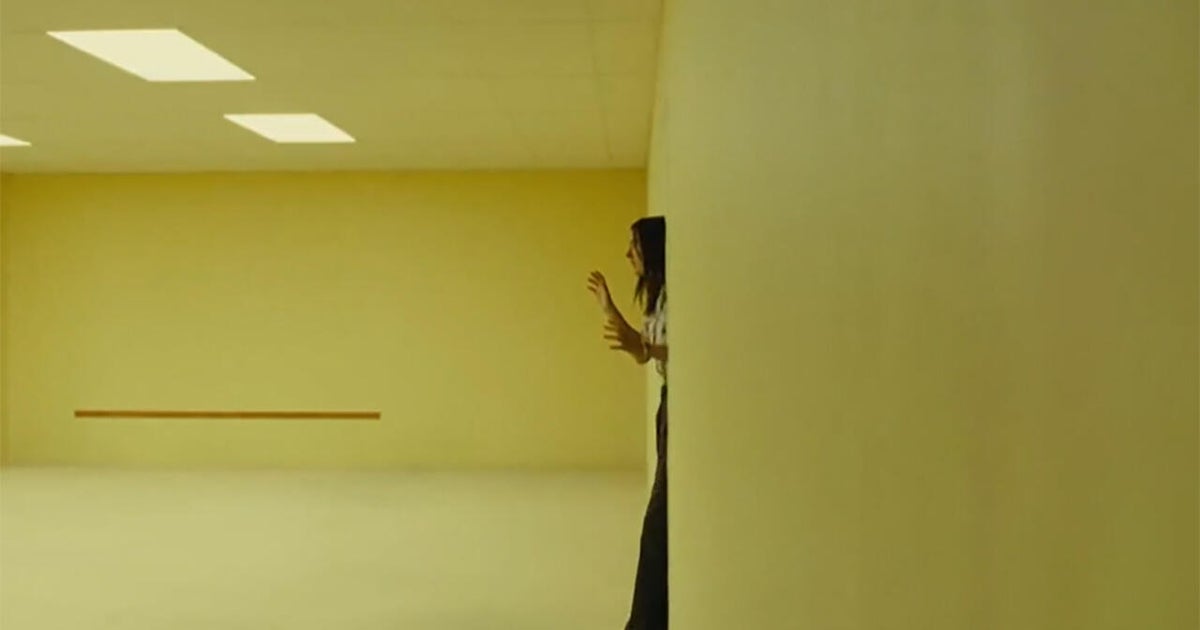
Studios in Hollywood are increasingly recruiting filmmakers from YouTube following the box office performance of two low-budget horror films directed by internet creators. "Obsession," directed by 25-year-old Curry Barker, and "Backrooms," directed by 21-year-old Kane Parsons, have drawn high viewership from younger demographics. Industry analysts, including Puck News founding partner Matt Belloni, stated that these filmmakers are using social media platforms to refine both their technical skills and their ability to build a pre-existing audience.
The traditional path to a feature film career typically involves film school, student shorts, and film festival recognition. In contrast, the YouTube path involves self-taught filmmaking, independent production, and direct interaction with a digital audience through comments and analytics. Kim Larson, YouTube’s Head of Creators, described this shift as a cultural change where the craft long present on the platform is now receiving professional recognition from major studios.
"Obsession" was produced for less than $1 million and has earned more than $500 million worldwide. Its executive producer, Jason Blum, noted that 75% of the film's audience in its opening weeks was under the age of 35. Barker, the director, previously gained approximately 800 million views on YouTube for horror shorts and comedy skits. He functioned as the writer, director, and editor for the feature film, citing his experience with internet content as preparation for the larger-scale production.
For the film industry, this represents a significant shift in recruitment and financial risk management. By selecting directors with millions of existing followers—such as Parsons, who saw "Backrooms" gross $118 million in its opening weekend—studios are attempting to guarantee a baseline of ticket sales. The scale of this impact is visible in the 322 million tickets sold across North America in 2026, a 22% increase from the previous year. Digital tools like YouTube’s retention graphs and click-through rates are now serving as a form of global focus group, allowing creators to adjust their storytelling based on real-time viewer data.
However, the transition from short-form internet content to feature-length cinema introduces specific challenges regarding narrative structure and collaboration. While YouTube rewards visual hooks and rapid pacing to prevent viewers from clicking away, feature films require sustained character development and emotional stakes over a longer duration. Furthermore, the self-reliant nature of YouTube production can conflict with the collaborative requirements of large-scale studio projects involving multiple production houses. As studios continue to announce new projects based on internet creators, the industry is monitoring whether these filmmakers can adapt their independent methods to the traditional studio system.
What happens next: Studios are currently announcing new projects developed from YouTube videos or creators on a weekly basis. Director Kane Parsons, who became the youngest director of a #1 film at age 20, is continuing his partnership with A24. Filmmaker Mark Vins recently debuted his documentary "Reef to Ridge" at the Toronto International Film Festival, marking another crossover from his 20-million-subscriber YouTube channel. Industry analysts expect the trend to continue as long as young audiences show a preference for creators they discovered on social media.