The horror entertainment and literature industries have seen recent growth in market share and profitability, according to industry executives and market research data. Nielsen reported that profits within the horror genre increased by nearly 26% year-over-year. This trend is visible across different mediums, including niche retail and film distribution.
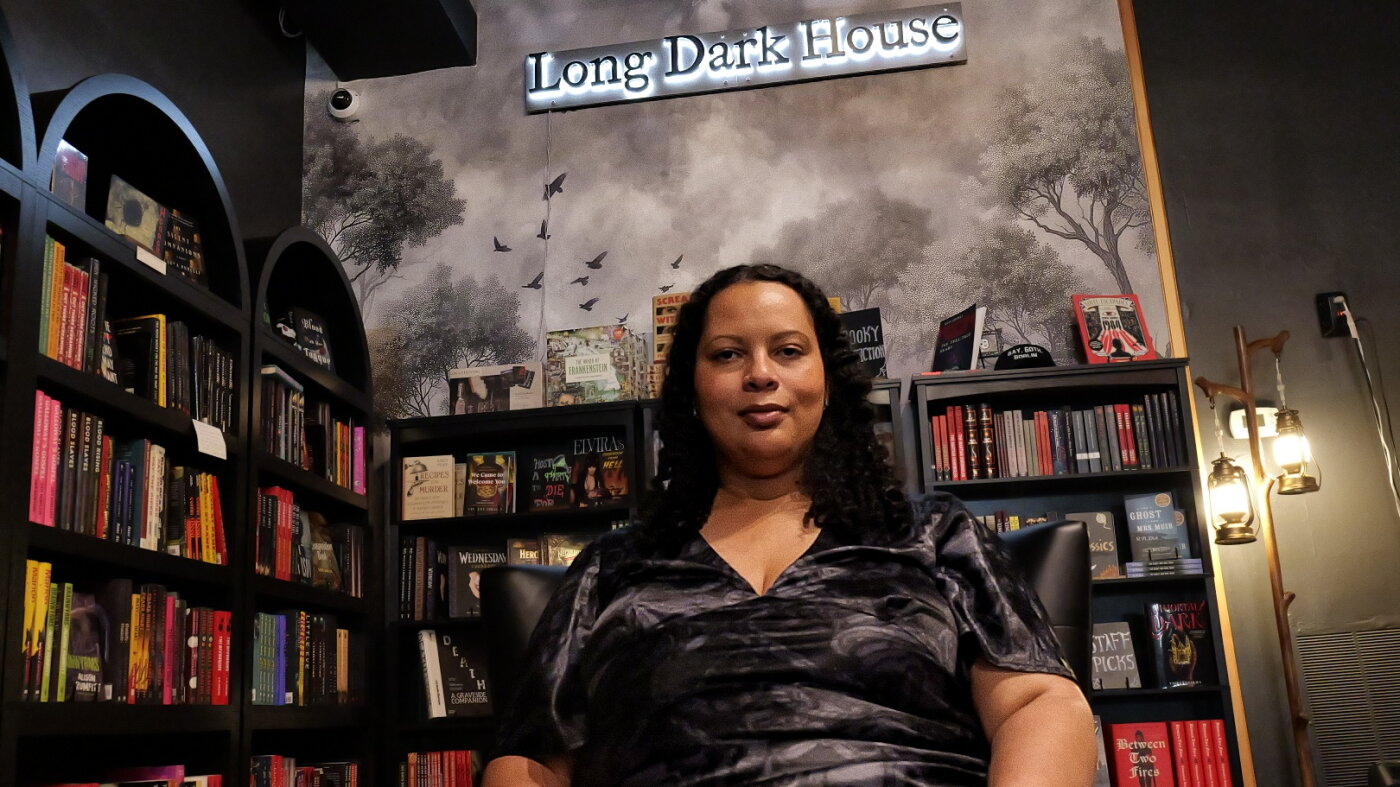
In Alexandria, Virginia, Chanthal Harris opened Long Dark House, a bookstore specializing in horror and supernatural literature, approximately one month ago. Harris, a former aviation professional, stated that the store has seen consistent traffic from both long-time fans and new readers. She attributed the interest to a desire for specialized curation and unexpected titles that differ from general bookstore offerings.
The film sector has recorded similar growth, with the horror genre's share of the total box office rising from under 10% before the COVID-19 pandemic to between 15% and 20% in the last two years. Abhijay Prakash, president and CEO of Blumhouse Atomic Monster, stated that his studio currently accounts for over 50% of that horror box office share. He cited the film "Backrooms" as a recent success, which grossed over $400 million worldwide on a $10 million budget after originating as a YouTube short.
Industry leaders attribute the rise in popularity to several factors, including a desire for collective social experiences. Michael Clear, president of Atomic Monster, noted that audiences are attending movies in larger groups than before the pandemic. Clear suggested that the participatory nature of horror, which elicits audible reactions from crowds, makes it a preferred social activity. The Recreational Fear Lab has also theorized that individuals may seek out scares as a response to real-world stressors.
Blumhouse Atomic Monster executives indicated plans to expand the brand into various consumer categories, including live attractions and stage plays. Prakash stated the company is exploring an attraction based on the "Five Nights at Freddy's" franchise and noted the existing popularity of a stage version of "Paranormal Activity." While social media shorts increasingly utilize artificial intelligence, Clear stated the studio remains focused on practical effects to maintain a sense of realism.
The commercial success of low-budget productions—such as "Backrooms," which returned 40 times its $10 million budget—establishes a precedent for studios to scout talent from non-traditional platforms like YouTube. This creates new pathways for young creators, such as Kane Parsons, who was recruited while still in high school. Small business owners like Chanthal Harris in Alexandria are also impacted, as the "gateway horror" trend supports niche retail models that focus on specific genre curation rather than broad inventory.
What happens next involves the expansion of these film properties into physical locations and other media. Blumhouse Atomic Monster has stated its intent to develop a "Five Nights at Freddy's" attraction and continue expanding into stage productions. Additionally, the industry is navigating the rise of AI-generated horror shorts on social media, though major studios currently report a continued preference for practical effects in feature films to maintain audience engagement. Additional insights into horror storytelling are scheduled for release next week from author Stephen Graham Jones.