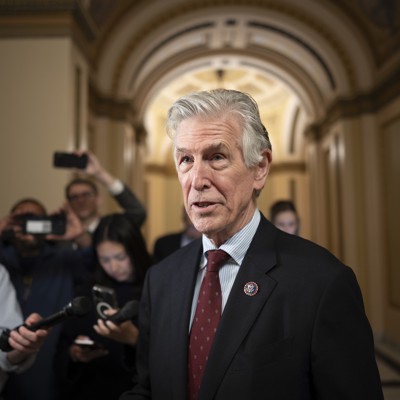
Rep. Don Beyer (D-VA) introduced the Congressional Oversight and Agency Access Act (H.R. 9835) on Wednesday, joined by eight Democratic cosponsors. The legislation seeks to establish governmentwide standards for when and how members of Congress may enter federal buildings. If passed, the bill would require agencies to grant lawmakers and their staff access to public buildings during regular business hours and provide a 24-hour turnaround for access to secure areas or visits outside of standard hours.
The proposal follows several years of disputes between members of Congress and executive branch agencies regarding site visits. Rep. Beyer stated that he has previously been denied or delayed entry to facilities managed by the U.S. Agency for International Development, the U.S. Institute of Peace, the Department of the Interior, and Immigration and Customs Enforcement (ICE). He characterized these instances as a deliberate effort by the Trump administration to obstruct legislative oversight.
Under the terms of the bill, the definition of a "public building" would extend to facilities owned and operated by private contractors on behalf of the government. The bill also stipulates that these access requirements remain in effect during presidentially declared emergencies or public health emergencies. Furthermore, the 24-hour notification window for secure areas would apply provided that the visiting members hold the necessary security clearances.
The legislation coincides with an ongoing legal dispute involving the Department of Homeland Security (DHS) and its policy requiring a seven-day notice before congressional visits to immigration detention centers. Supporters of the seven-day rule, including former DHS Secretary Kristi Noem, have argued that unannounced visits disrupt agency operations by redirecting officers from their primary duties. Noem previously characterized some unannounced visits as publicity-focused rather than focused on legitimate oversight.
A federal district judge issued a preliminary injunction in March 2026 to temporarily block the DHS seven-day notice policy, a decision that was later upheld when an appeals court rejected the administration's request for an emergency stay. The Project on Government Oversight has endorsed H.R. 9835, stating that the measure is necessary to reaffirm the constitutional authority of Congress to monitor executive branch activities and ensure transparency.
The inclusion of contractor-owned facilities in the bill’s scope expands the impact to the private sector, affecting thousands of businesses that provide housing, security, or technical services for the government. These companies would be required to accommodate congressional observers on short notice, potentially affecting their internal security protocols and operational costs. For federal employees, the bill would likely lead to more frequent unannounced or short-notice inspections, which agency leaders like former Secretary Noem have argued can strain human resources and divert staff from core mission tasks during peak operational periods.
Beyond individual facilities, the bill sets a precedent for how the separation of powers is managed during national crises. By explicitly mandating access during emergencies, it ensures that legislative oversight is not suspended during periods of executive-led disaster response. The bill currently awaits further action in the House of Representatives. If enacted, it would provide a permanent statutory framework for oversight, potentially ending the cycle of litigation and policy shifts that occur when presidential administrations change their internal access guidelines.