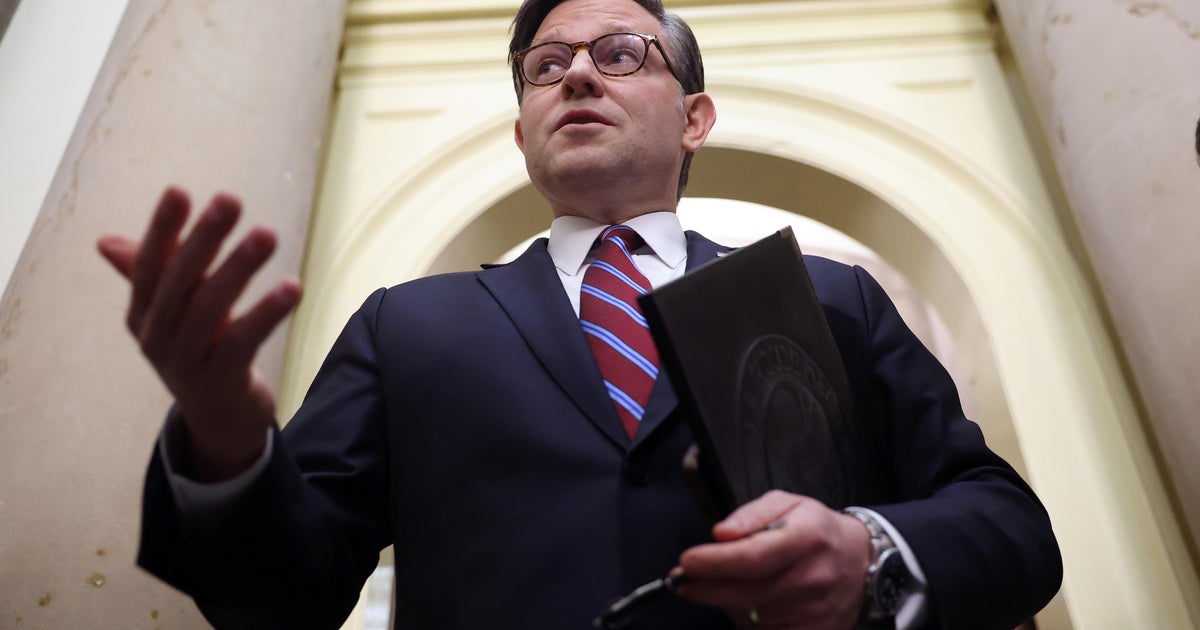
House Speaker Mike Johnson (R-LA) announced on Wednesday the cancellation of House votes originally scheduled for Thursday. The decision shortens the work week and marks the beginning of a recess that will last until after the November midterm elections. Lawmakers will remain away from Washington for more than six weeks, following Johnson's prior cancellation of votes for the final two weeks of September. Johnson stated that the House has completed its necessary work and that members should return to their districts to speak with voters.
Before departing, the House is expected to vote on legislation concerning new sanctions on Russia and a bill regarding data center energy costs for consumers. However, several other legislative matters will remain unresolved until the chamber reconvenes. Rep. Ralph Norman (R-SC) criticized the decision, noting that the House has canceled at least 63 scheduled voting days during this Congress, including nine in the current month. Norman argued that members should not receive salaries while campaigning instead of performing legislative duties.
The schedule change also delays action on eight articles of impeachment introduced on Tuesday by Rep. Thomas Massie (R-KY) against Defense Secretary Pete Hegseth concerning the Iran war. Because the resolution is privileged, leadership would typically have two legislative days to act. By canceling Thursday's session, the matter is pushed to early November. Johnson dismissed claims that the schedule was altered to avoid the Hegseth vote, calling the impeachment effort a "publicity stunt" and stating it would be tabled upon their return.
Individual citizens and businesses will notice a pause in federal legislative developments affecting energy costs, international sanctions, and technology oversight until at least mid-November. While Democrats, led by House Minority Leader Hakeem Jeffries (D-NY), advocated for staying in session to address AI safety, Speaker Johnson argued that the technology is not yet understood enough for regulation and suggested companies should "self-police." This leaves the AI industry without a regulatory framework from Congress for the duration of the recess.
The recess also affects how leadership manages privileged resolutions, as the Hegseth impeachment vote is effectively postponed by the change in the legislative calendar. While the Senate remains scheduled to be in session through September to work on college sports legislation and permitting reform, the House's absence prevents any of those measures from becoming law during this window. Speaker Johnson stated he would recall the House on 48-hours' notice if the Senate passes significant legislation. The next major milestone for the House will be its return to Washington following the November midterm elections.