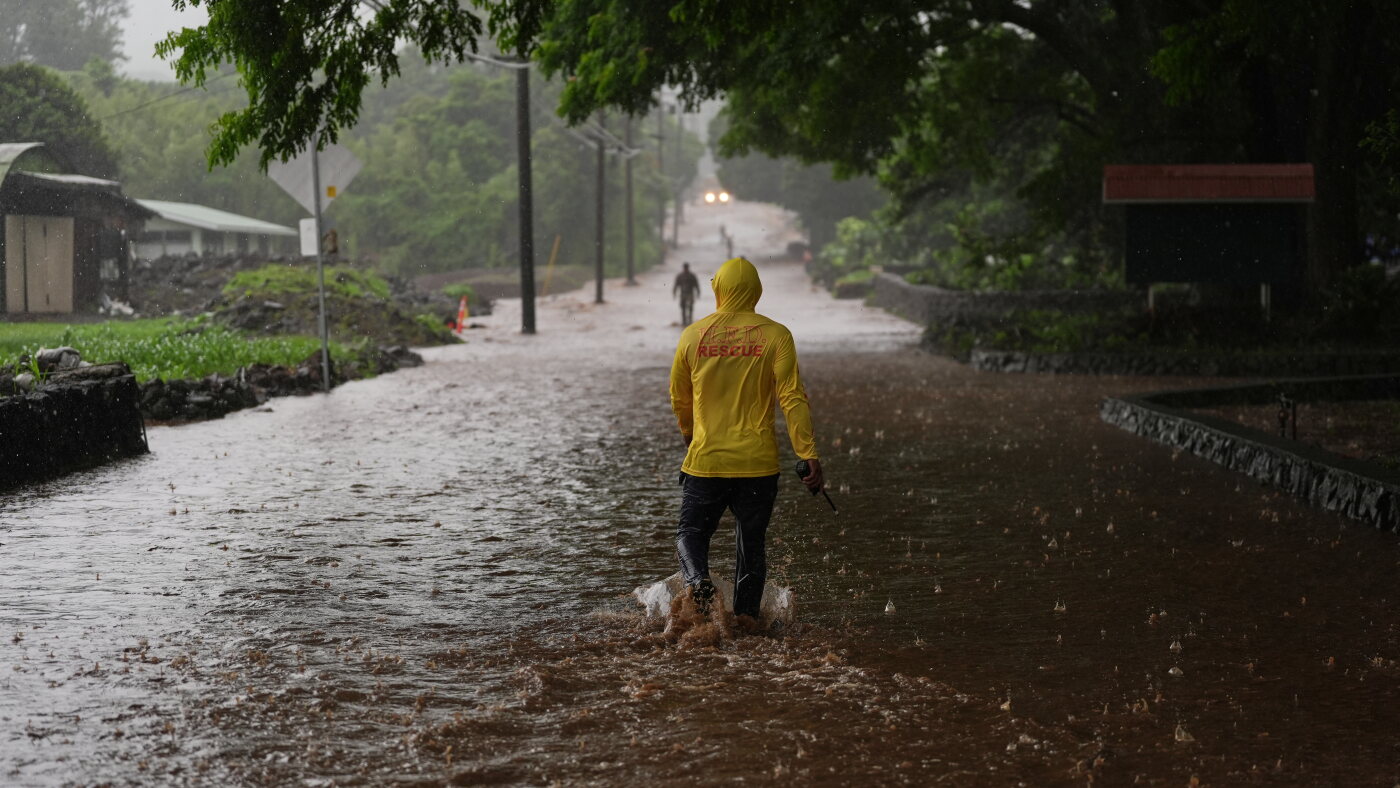
Hurricane Polo, a Category 3 storm, was expected to reach Mexico's Baja California peninsula on Monday, Sept. 28, 2026. Simultaneously, Hurricane Nolo moved southwest away from the Hawaiian Islands after its outer bands caused flooding on parts of the Big Island. The U.S. National Hurricane Center reported that Polo carried maximum sustained winds of 125 mph on Sunday evening, while Nolo’s winds increased to 105 mph.
The Mexican navy prepared personnel and humanitarian aid in the ports of Guaymas and Mazatlan, deploying three vessels to assist coastal communities. In Hawaii, Governor Josh Green issued an emergency proclamation, and President Donald Trump approved a federal emergency declaration, authorizing the Federal Emergency Management Agency (FEMA) to provide funding and coordinate assistance. These storms occur during an active Pacific season that National Weather Service forecasters attribute to El Niño conditions.
In Baja California, soldiers arrived in the fishing community of San Juanico to establish shelters as residents expressed concern over potential road washouts and medical access. In Hawaii, residents continued to recover from the recent Hurricane Lala, which moved approximately 100 homes off their foundations. On Sunday, a third system, Tropical Storm Rachel, formed roughly 300 miles south of Acapulco with 40 mph winds, though no watches were issued for that storm.
For residents in rural Baja California, the primary concern is a loss of basic services and physical isolation. Communities like San Juanico, which only recently received full-time electricity, face the threat of power outages and the potential severing of roads connecting them to medical facilities. The Mexican navy’s deployment of sea vessels indicates that land-based supply chains could be affected. These impacts are occurring during a period of above-average storm activity.
The next phase for Baja California begins Monday, Sept. 28, as Hurricane Polo approaches. Mexican authorities will monitor flooding and mudslides, while U.S. forecasters track the storm's remnants, which are projected to reach the U.S. Southwest later in the week. In Hawaii, high-wind and surf advisories remained active through Sunday evening, with Nolo continuing its path away from the islands.