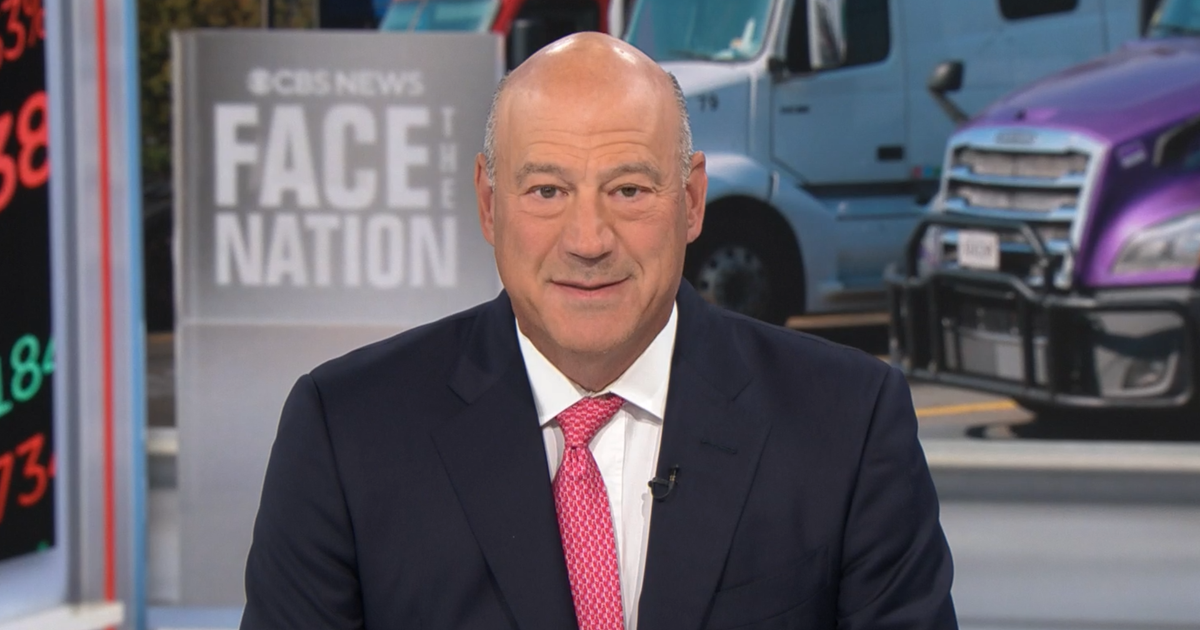
IBM Vice Chairman Gary Cohn stated in an interview that U.S. consumer sentiment has turned negative due to rising energy costs and uncertainty surrounding artificial intelligence, despite stable headline economic indicators. Speaking on September 20, 2026, Cohn noted that while indicators like GDP and employment remain strong, the rising cost of gasoline and diesel is impacting household budgets and food prices.
The remarks followed a recent decision by the Federal Reserve, led by Chair Kevin Warsh, to unanimously raise interest rates. The Open Market Committee cited persistent inflation as a reason for the hike, which occurred despite criticism from the president. Cohn explained that the central bank is acting on its mandate to maintain stable prices, targeting a 2% inflation rate while current figures remain closer to 3%.
Cohn also highlighted a divergence between economic data and public perception. While Treasury Secretary Bessent pointed to historic lows in the poverty rate and strong foreign demand for U.S. assets, Cohn observed that real wages have turned negative in recent months. This means inflation is currently outpacing wage growth, leading consumers to rely on diminishing savings to maintain their spending habits.
The rising cost of diesel serves as a pressure point for the agricultural sector and transportation networks. Farmers utilize diesel to grow, harvest, and deliver crops, meaning higher fuel costs eventually translate into higher grocery bills for consumers. The scale of the energy price increase has already triggered protests in countries including Syria, the Philippines, and Guatemala.
The efforts by the Treasury and the Federal Reserve represent an attempt to manage the "long end of the curve," where most consumer borrowing occurs. Secretary Bessent recently authorized the purchase of $5 billion in U.S. debt to help drive down long-term interest rates. The effectiveness of these measures remains to be seen as the U.S. approaches an upcoming election, with the next steps depending on whether Congress reduces spending and how the market responds to the increased demand for debt from both the government and the expanding artificial intelligence sector.