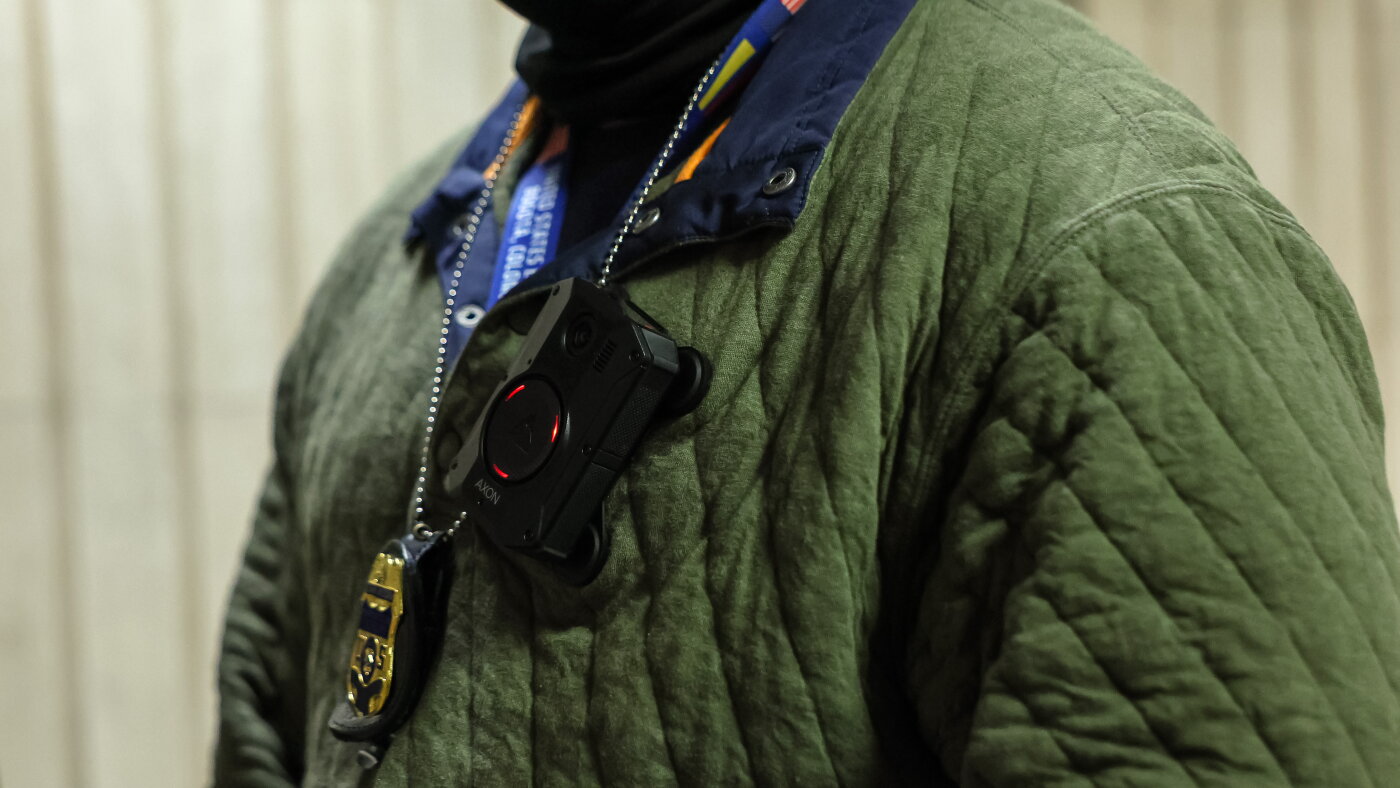
U.S. Immigration and Customs Enforcement (ICE) announced on Tuesday, Sept. 1, 2026, that it has acquired a sufficient number of body-worn cameras to equip its entire workforce of officers and agents. Department of Homeland Security (DHS) Secretary Markwayne Mullin stated during a press conference in New York that he expects every officer in the field to be equipped with a camera by the end of September 2026.
The announcement follows several years of reported equipment shortages and comes after two fatal shootings involving ICE personnel in July 2026. In both the shooting of Lorenzo Salgado Araujo in Texas and Johan Sebastián Durán Guerrero in Maine, ICE reported that neither the officers nor the targets of the arrests were wearing body cameras. In February 2026, agency officials had informed lawmakers that the agency possessed only 3,000 cameras for approximately 13,000 officers.
An unnamed ICE spokesperson stated that while the hardware is now available, the training required for individual officers is still ongoing. Secretary Mullin noted that the agency is using permanent cameras as well as microphones from Motorola that can function as cameras. To fund these acquisitions, Congress provided $20 million specifically for body cameras and $31 billion for broader technology through two separate funding measures, although lawmakers did not include a legal mandate requiring their use.
A person interacting with ICE would notice officers wearing visible recording devices on their uniforms during arrests or court patrols, a change intended to be fully implemented by Sept. 30, 2026. However, the concrete effect on transparency is tempered by agency policy. According to internal guidelines and a statement from Sen. Angus King (I-ME), the ICE director maintains discretion over whether to publicly release footage. The agency has stated it will only release video from serious or deadly encounters when it determines that doing so is in the agency’s "best interests."
The expansion of the camera program follows the rescission of a previous executive order by the president that had sought to expand federal body camera use. While the acquisition of hardware is complete, the effects for judicial proceedings and oversight remain tied to internal policy rather than legislative mandates. Critics, including Sen. King, have described the news as a "hollow promise" without changes to leadership and release policies. Secretary Mullin is scheduled to meet with the CEO of Motorola later this week to discuss the implementation of microphone-camera technology.