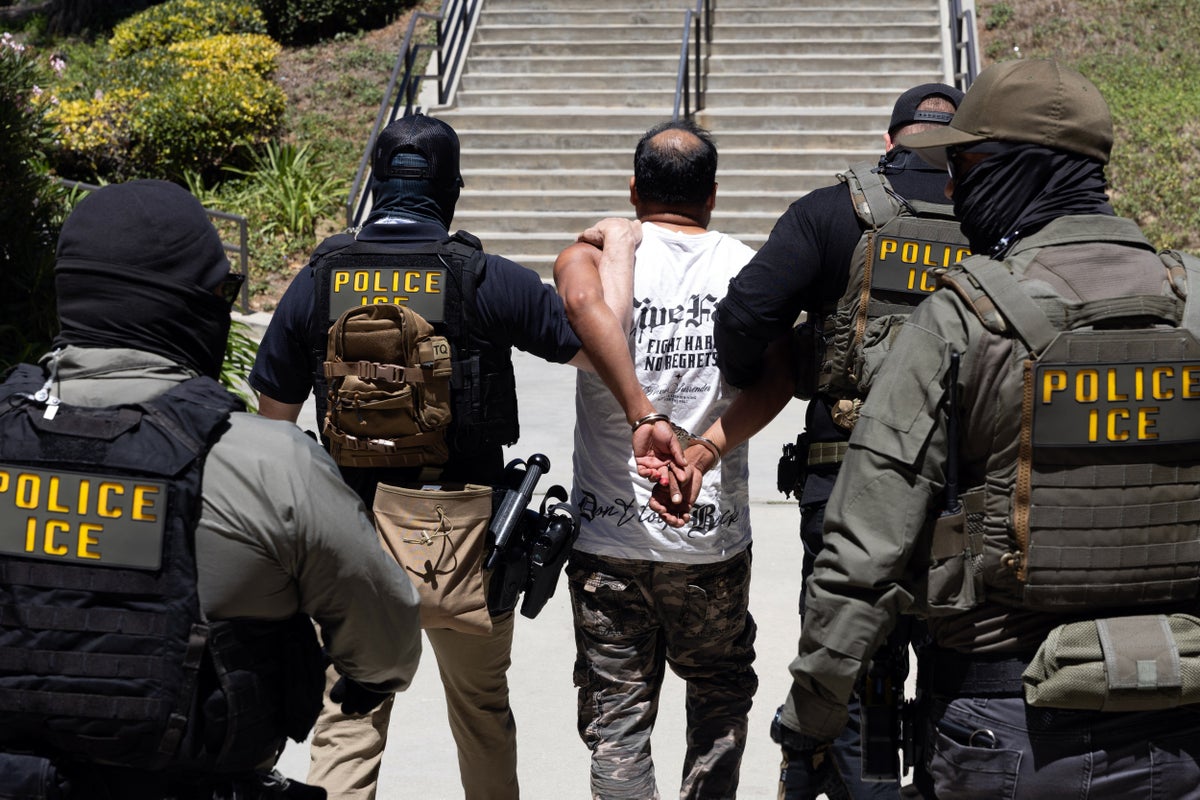
U.S. Immigration and Customs Enforcement (ICE) is considering a proposal to subsidize liability insurance for state and local police officers authorized to perform federal immigration arrests. A planning document released Friday details a plan where the agency would reimburse officers up to $250 annually for insurance policies covering up to $500,000 in personal liability for legal fees, settlements, and judgments.
The proposal comes as partnerships between ICE and local law enforcement, known as 287(g) agreements, have expanded under the current administration. These agreements allow trained local officers to interrogate and arrest individuals suspected of being in the country illegally. Some local agencies have expressed concern that their standard insurance policies do not cover federal immigration work, leading to potential personal financial risk for officers facing allegations of misconduct, such as wrongful arrest or excessive force.
ICE is currently seeking industry feedback by Thursday on hiring a contractor to manage outreach, training, and the insurance reimbursement process. While the agency states that local officers act under federal authority, which generally bars individual lawsuits, the final decision on whether the U.S. Department of Justice will represent a local officer in court remains at the department's discretion. Justin Smith of the National Sheriffs’ Association stated the plan could address reluctance among sheriffs to join partnerships due to liability risks, while David Bier of the Cato Institute said the program could reduce personal accountability for rights violations.
For the residents of participating jurisdictions, this change could lead to a further increase in local immigration enforcement activity, as financial liability has been cited by the National Sheriffs’ Association as a primary deterrent for departments considering these federal partnerships. In places like Pennsylvania, where some insurance risk pools have explicitly excluded immigration activities, local taxpayers have already faced new costs; one sheriff reported spending $20,000 in annual premiums to cover 13 deputies. If implemented, federal subsidies would cover these costs, potentially encouraging more counties in states like Florida, Texas, Oklahoma, and Georgia to expand their enforcement roles without local budgetary impacts.
The knock-on effects include a potential shift in how legal accountability is handled for local-federal task forces. If private insurance becomes the primary shield against personal liability, it may change the frequency or strategy of civil litigation against officers, as the $500,000 coverage limit sets a concrete cap on accessible funds for settlements unless the Department of Justice intervenes. The next step in the process is the Thursday deadline for industry feedback on the contractor role. A specific date for the program's official launch has not yet been reported by ICE.