U.S. Immigration and Customs Enforcement (ICE) has suspended non-urgent vehicle stops following two fatal shootings involving agents during the past week. The policy shift was confirmed by the office of U.S. Senator Angus King of Maine after discussions with the Department of Homeland Security (DHS). According to a spokesperson for Senator King, the pause follows calls from both King and Senator Susan Collins for DHS to cease non-critical traffic operations.
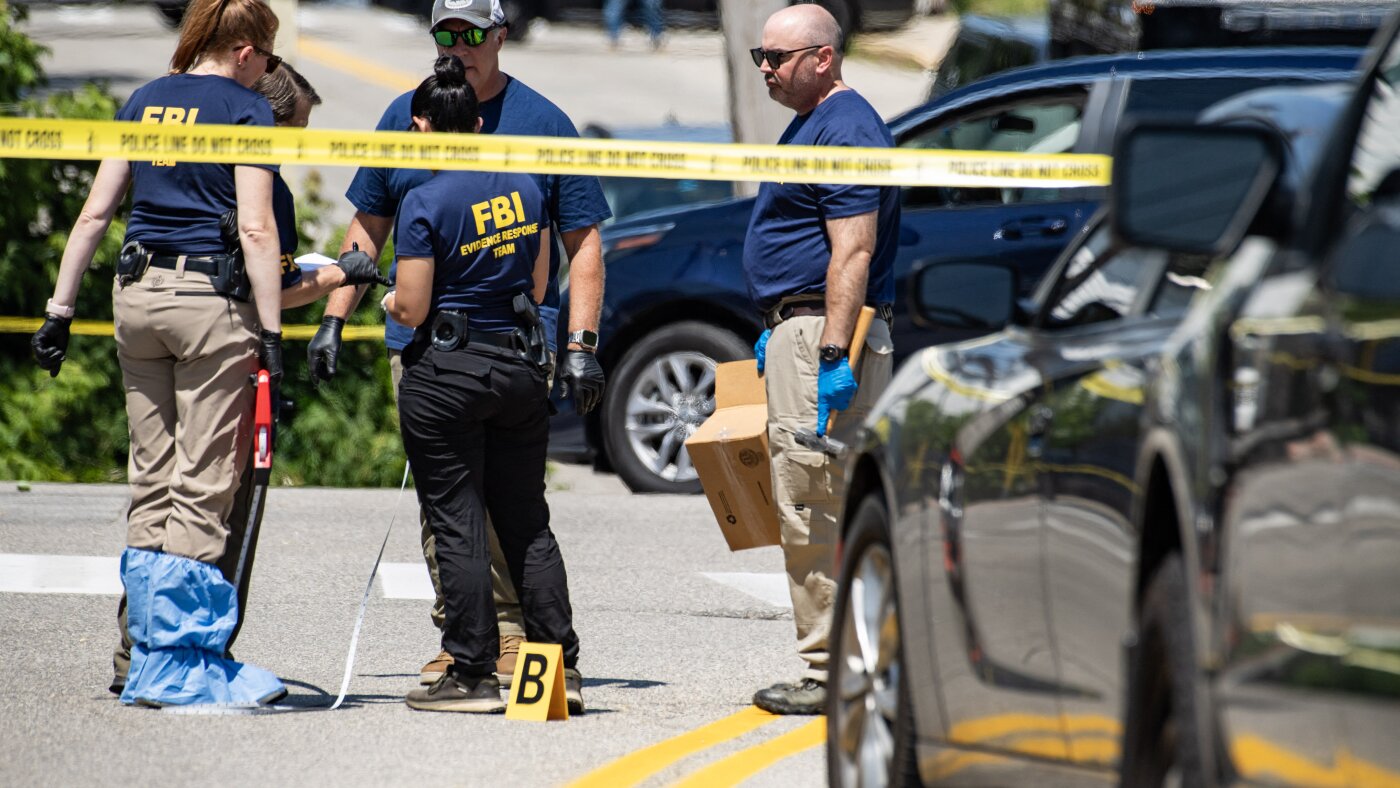
The most recent incident occurred Monday in Biddeford, Maine, where agents shot 26-year-old Joan Durán Guerrero during an attempted traffic stop. DHS stated the driver attempted to flee and posed a public safety risk, though the agency noted the agents were not equipped with body cameras. A similar incident occurred last week in Houston, where agents shot Lorenzo Salgado Araujo. While DHS claimed Salgado Araujo used his vehicle as a weapon, passengers in the vehicle have disputed that account.
DHS officials stated the department will not discuss specific law enforcement tactics but indicated that body cameras will be deployed to all agents within 60 days. The agency attributed previous delays in body camera implementation to funding issues and partial government shutdowns. Current DHS policy prohibits the use of deadly force solely to prevent flight, requiring that a suspect pose an imminent threat of death or serious physical harm to agents or the public.