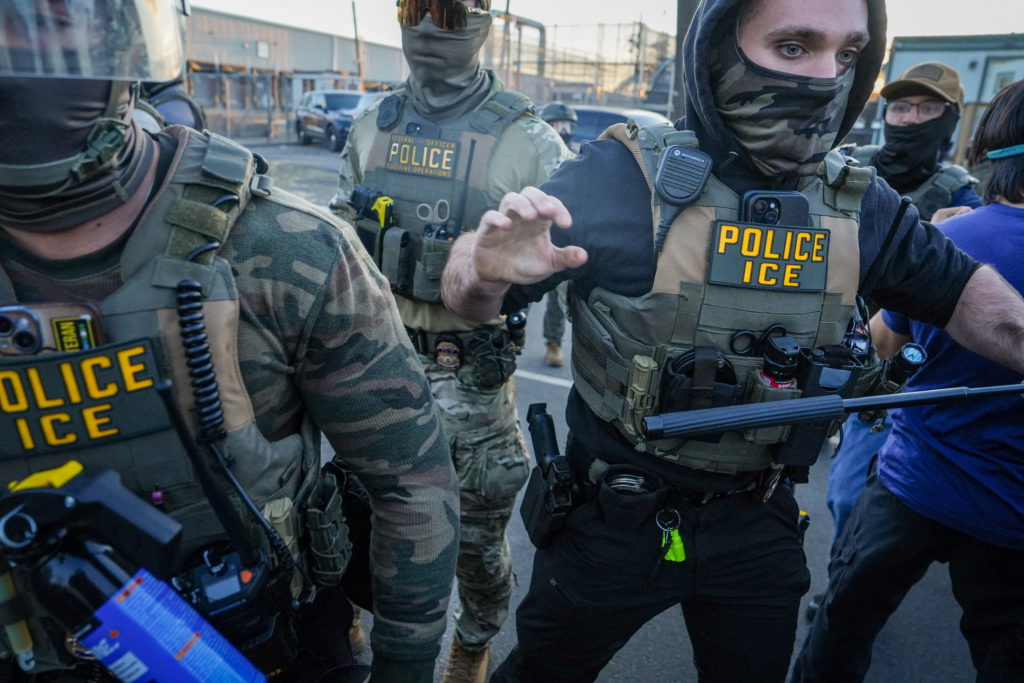
U.S. Immigration and Customs Enforcement (ICE) announced Friday that it will equip all field officers nationwide with body-worn cameras by the end of September. The move follows recent fatal shootings by officers and congressional pressure for increased oversight. However, the agency’s new policy states that footage of serious incidents will only be released to the public if officials determine it is in the "best interests" of the agency.
The body camera program has seen several changes in timeline and funding. While the agency began testing cameras in 2021, a 2025 order from President Donald Trump rescinded a prior requirement for federal law enforcement to use them. In April, Congress provided $20 million for the equipment to end a partial government shutdown. In July, ICE spent $30.9 million to purchase the devices from Axon, an Arizona-based company, using an existing contract.
Under the February 2025 policy, a committee of ICE officials and lawyers will review footage of shootings or serious injuries to recommend a release. If approved, video could be released within 72 hours. However, the ICE director holds the authority to block or indefinitely delay any release due to "specific and compelling circumstances." Any footage that is made public will have officer faces, names, and badge numbers redacted.
For residents in areas with high enforcement activity, such as Houston, where 800 cameras have already been sent, the change means at least one member of every arrest team will now be recorded. While the agency says this increases transparency, the specific day-to-day impact on legal proceedings and public accountability will depend on the director's use of discretionary powers. Experts note that if the agency chooses to withhold video of controversial encounters while releasing video of routine operations, the perceived transparency may not match public expectations for oversight.
The knock-on effects could influence how other federal agencies, such as Customs and Border Protection (CBP), handle their own digital evidence. CBP has recently faced criticism for not releasing footage of a January shooting in Minneapolis. The ICE policy sets a precedent for federal agencies to explicitly link public transparency to the internal "interests" of the organization. The full deployment is scheduled for completion by September 30, though the agency has not yet clarified what specific circumstances would lead to a permanent withholding of footage.
ICE did not respond to questions regarding how it would define the "best interests" of the agency in practice. Training has already begun for officers in some districts, and the agency reported that more than half of its field officers had received the cameras as of early August. Further details on public access through Freedom of Information Act requests or court orders were not specified in the current policy announcement.