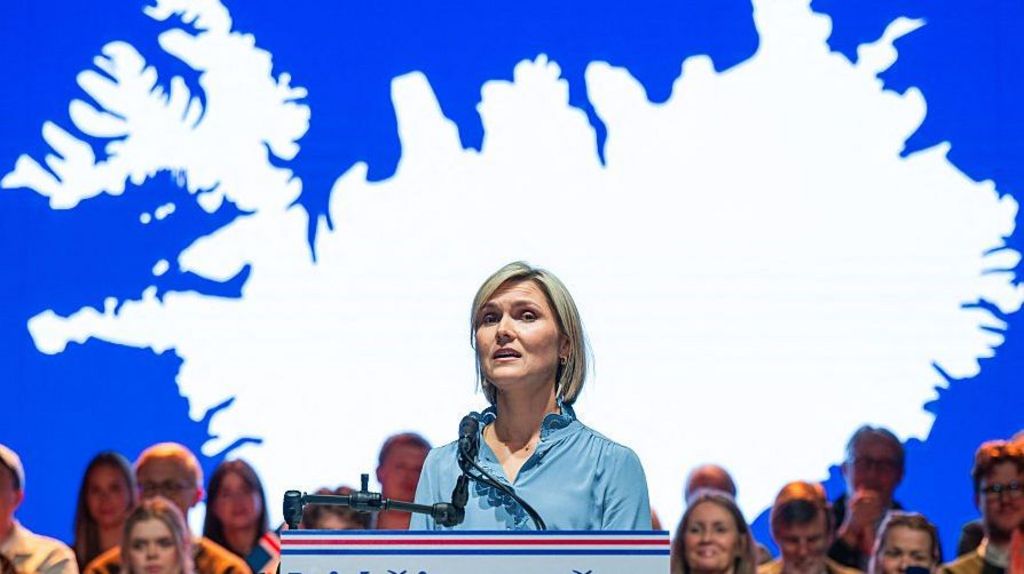
Icelandic citizens will vote Saturday in a referendum to decide whether the nation should resume negotiations to join the European Union. Recent polling indicates the outcome is uncertain, with one survey showing the "Yes" camp leading by 51.3% to 48.7%, while other polls have shown the two sides in a dead heat.
The vote follows a commitment by Prime Minister Kristrún Frostadóttir’s centre-left government to hold a referendum by 2027 after winning a snap election in 2024. Although Iceland began accession talks in 2010 following the 2008 financial crisis, the process was abandoned in 2013. The current government moved the timeline forward citing shifting geopolitical conditions, including regional maritime activity by Russia and trade and territorial statements from U.S. President Donald Trump regarding neighboring Greenland.
Supporters of the "Yes" campaign, including Finance Minister Daði Már Kristófersson of the Liberal Reform party, argue that joining the EU and adopting the euro would stabilize the economy and strengthen national security. Conversely, the "No" campaign, led by opposition leader Guðrún Hafsteinsdóttir, argues that membership would compromise Iceland's sovereignty. A primary point of contention is the control of fishing waters, an industry that accounts for nearly 40% of the country’s exports.
For the country's fishing and agricultural sectors, the stakes involve the degree of local versus centralized control over resources. Industry leaders like Pétur Pálsson and Margrét Ágústa Sigurðardóttir of the Icelandic Farmers' Association have expressed concern that EU membership would subject Iceland to the Common Fisheries Policy, potentially shifting decision-making power to Brussels. The government has stated it intends to seek "special arrangements" or exemptions for these sectors, though opponents note that no current member state has been granted a permanent opt-out.
Beyond domestic economic effects, a "Yes" vote would set a precedent for other North Atlantic nations, with observers noting that support for EU membership is also rising in neighboring Norway. If the referendum passes, Icelandic officials expect negotiations to proceed quickly, as 11 of the 35 required negotiation areas were completed during the previous attempt at joining. However, a final membership deal would still require approval in a second national referendum and unanimous consent from the 27 existing EU member states. If the "No" vote prevails on Saturday, the government will shelve accession talks for the foreseeable future.