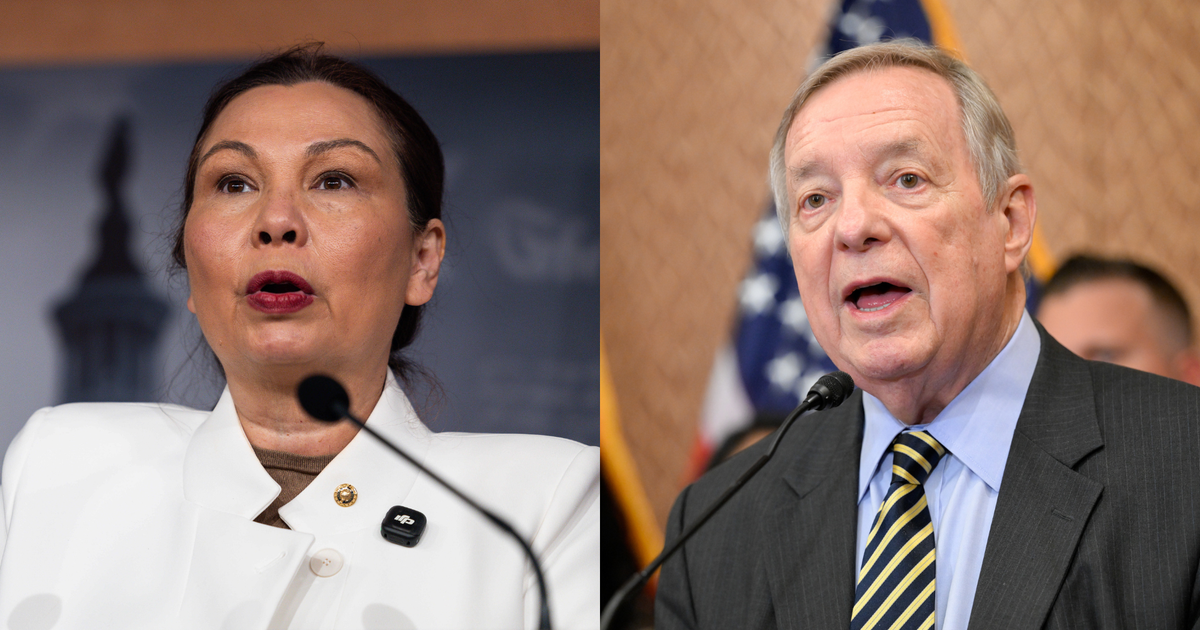
Democratic Sens. Tammy Duckworth and Dick Durbin of Illinois have requested that the Federal Aviation Administration (FAA) immediately implement a 3.8% pay raise for air traffic controllers. While Congress approved $140 million for the increase as part of the Homeland Security and Further Additional Continuing Appropriations Act signed in April, controllers have only received a 1% raise standard for all federal employees. The senators’ request follows comments from FAA Administrator Bryan Bedford linking the additional 2.8% increase to changes in workforce utilization.
The pay dispute occurs amid a broader staffing shortage where more than 90% of U.S. air traffic control towers are understaffed, according to a 2025 report. Under Bedford, the FAA's 2026 Controller Workforce Plan seeks to increase the average "productive time" per eight-hour shift from four hours to five. Bedford stated in a recent interview that he intends to use the pay raise as leverage to "unlock more productivity" through scheduling and utilization changes.
The legislation passed by Congress gives the FAA Administrator "sole discretion" to determine if improvements in workforce scheduling or operational efficiencies have been achieved before granting the raise. In a letter to Bedford, Duckworth and Durbin argued that withholding the funds to force longer hours is "petty, disrespectful and counterproductive." The FAA responded that the law explicitly makes the raise contingent on these efficiency determinations and that the agency intends to review scheduling practices with the National Air Traffic Controllers Association (NATCA).
The scale of the funding involves $140 million set aside by federal law to address pay parity. The outcome of these negotiations will determine the day-to-day work schedules for controllers at nearly every major U.S. airport, as the FAA seeks to increase their active "productive time" by 25% per shift. If the FAA and NATCA cannot reach an agreement on what constitutes "operational efficiency," the 2.8% portion of the raise may remain unpaid indefinitely, potentially affecting retention rates in a system where 90% of facilities are already short-staffed.
Knock-on effects include potential impacts on aviation safety and flight delays if staffing levels continue to decline or if morale leads to increased turnover. Former Transportation Secretary Pete Buttigieg recently criticized the administration's handling of the workforce, noting the pressure placed on controllers during the recent government shutdown. The next steps involve ongoing discussions between the FAA and NATCA to review historic scheduling practices, with no specific deadline reported for when a final determination on the pay increase will be made.