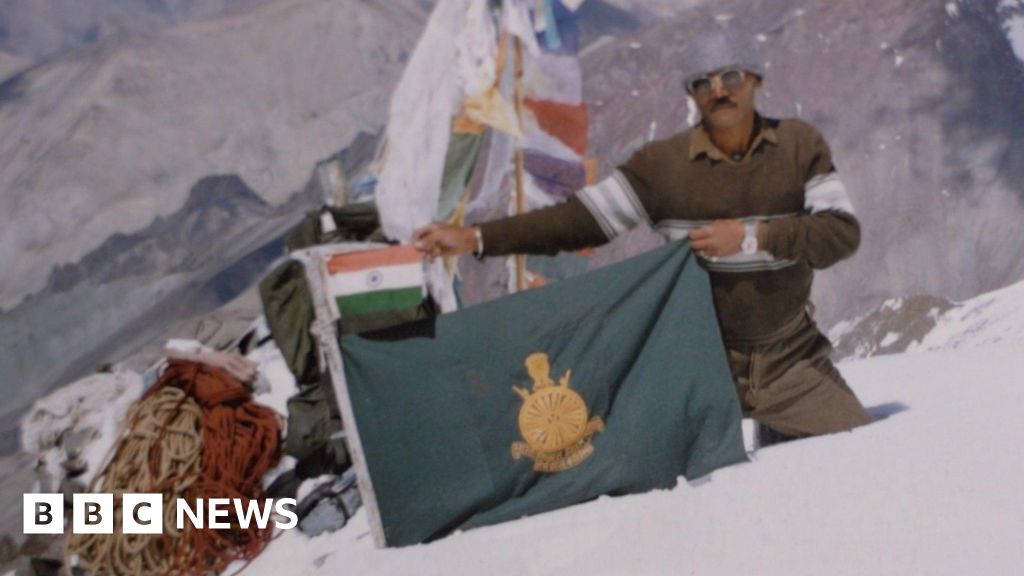
The Indian government is seeking a specialist high-altitude recovery team to retrieve the remains of a climber from Mount Everest, 30 years after he died during a descent. The body, widely known by the nickname "Green Boots" due to the lime-colored mountaineering footwear it is wearing, is located at an altitude of approximately 8,500 meters (27,887 feet) on the mountain's northern slope. While the remains were previously thought to be another climber, authorities now believe they belong to Dorje Morup, a lance corporal in the Indo-Tibetan Border Police (ITBP).
Morup was part of a six-member ITBP expedition in May 1996 that attempted to become the first Indian team to reach the summit from the Chinese side of the mountain. While three members turned back due to weather, Morup and two others—Tsewang Smanla and Tsewang Paljor—reached the 8,849-meter summit on May 10, 1996. All three died during a blizzard on their descent. For three decades, the body has remained under a rock overhang, serving as a landmark for other climbers on the trail.
The identification of the body as Morup follows testimony from surviving expedition members and an analysis of the location of the final radio contact. An ITBP official, speaking anonymously, stated that Morup's specific clothing and climbing gear helped confirm the identity in recent years. The recovery mission, funded by the ITBP, aims to return the remains to India by September for definitive DNA testing. Morup’s family, who live in the Ladakh region, has expressed a desire to hold a funeral and preserve the green boots as a memorial.
The scale of the operation involves significant financial and human resources. Experts estimate that recovery missions of this nature cost between $40,000 and $80,000, and this specific task would require a team of 10 to 12 highly skilled climbers just to secure the necessary safety ropes. Recovery teams face temperatures as low as -40 degrees Celsius and oxygen levels only a third of those at sea level. The physical weight of remains, often encased in ice and heavy gear, requires manual transport down steep, rocky terrain for approximately 1,000 meters before a helicopter or yaks can reach them.
The mission sets a precedent for how the Indian government handles the remains of personnel lost during high-altitude service. If the body is confirmed as Morup, his family plans to bury him at a site near the Martyrs Park in Leh, Ladakh. The ITBP is currently vetting mountain rescue Sherpa groups to execute the plan. The timeline for the mission is short, as officials are targeting September to complete the recovery, though mountaineers warn that the autumn season brings more unpredictable weather than the typical spring climbing window.