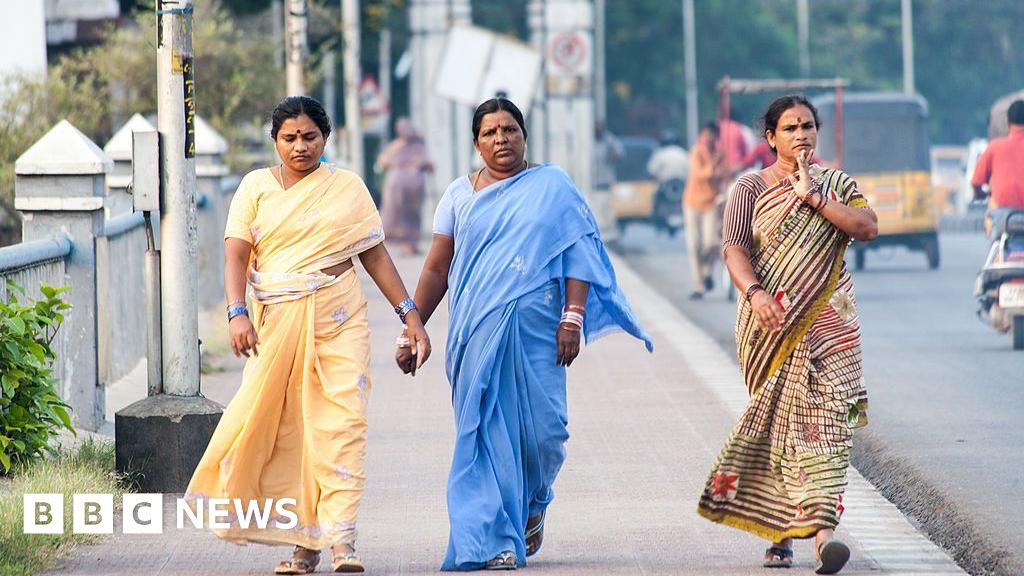
The Supreme Court of India ruled in June that the right to walk safely on designated footpaths is a fundamental right. The decision came in response to a case involving the death of a five-year-old boy who was struck by a truck while walking to school with his father. Justice PS Narasimha wrote in the judgment that the state has a duty to provide safe footpaths and that the right to walk on these demarcated paths overrides the privilege of motorized vehicles.
The ruling addresses long-standing infrastructure conditions in Indian cities, where researchers say pedestrians have been pushed to the margins of road networks. A 2011 study of six Indian cities by the Clean Air Initiative for Asian Cities (CAI-Asia) gave the locations a median walkability score of 47 out of 100. Transport scholars note that urban planning has historically focused on maximizing space for motor traffic and reducing vehicle congestion, often resulting in footpaths that are narrow, broken, or blocked by utility works, parked cars, and motorcycles.
Current estimates based on census data indicate that approximately 45 million people in India walk to work every day, significantly more than the 5.4 million who commute by private cars, jeeps, or vans. According to transport scholar Geetam Tiwari of the Indian Institute of Technology (IIT) Delhi, pedestrians account for an estimated 30% to 40% of road deaths, a figure higher than the official government estimate of approximately one-fifth. In major cities like Delhi and Mumbai, pedestrians represent more than half of all road fatalities.
For the average resident, the practical impact would involve a change in how public space is allocated. If enforced, the judgment would require civic agencies to ensure footpaths are not only built but kept clear of parked vehicles, street vendors, and construction debris. Pedestrians would notice more continuous paths that do not end abruptly or sit at heights inaccessible to those with limited mobility. The ruling suggests a shift from prioritizing the speed of motorized traffic to ensuring the safety of those on foot, which could lead to changes in road design, such as narrowing traffic lanes or introducing traffic-calming measures.
The precedent set by the Supreme Court establishes walking as a right "inextricably connected to life," rather than a secondary concern to vehicle flow. This may force urban planners to move away from projects like foot overbridges, which force pedestrians to take detours to accommodate cars, and toward safer street-level crossings. While the court has established the legal framework, transport experts like Geetam Tiwari note that achieving pedestrian-friendly cities will require a total rethink of urban design and governance. No specific deadline for nationwide infrastructure upgrades was reported, but the ruling provides a legal basis for citizens to demand safe walking spaces from state authorities.