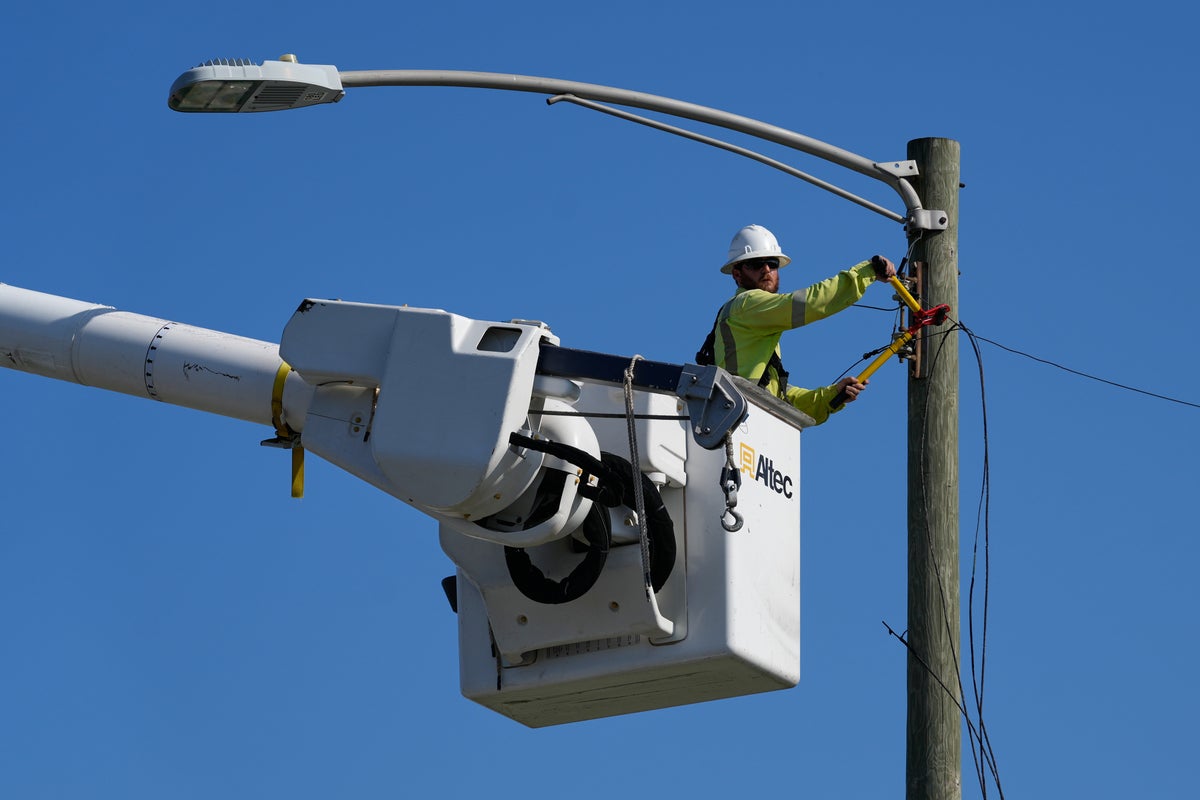
Thousands of residents and business owners in Gary, Indiana, remained without electricity on Monday, 12 days after severe storms struck the region on August 11. Northern Indiana Public Service Co. (NIPSCO), the local utility provider, reported that the storm initially caused power failures for more than 370,000 customers. While more than 364,000 have had service restored, Gary Mayor Eddie Melton characterized the pace of the remaining repairs as unacceptable, noting the impact on families and business revenue.
The prolonged outages have triggered legal and regulatory scrutiny regarding the utility's infrastructure maintenance. A resident in neighboring Porter County filed a lawsuit in state court last week, seeking class-action status. The complaint alleges NIPSCO was negligent in failing to manage trees and vegetation near power lines, which the plaintiff claims led to the outages when storms caused the vegetation to fall. NIPSCO has stated it strongly disagrees with these claims and plans to defend its practices, which are overseen by the Indiana Utility Regulatory Commission.
Indiana Governor Mike Braun directed the state consumer advocate on Monday to petition for an official investigation into NIPSCO’s storm preparation and response. The inquiry will examine whether the utility adequately cleared rights-of-way and if state-approved funding for infrastructure reliability was used as intended. At the same time, similar weather-related utility issues were reported in Memphis, Tennessee, where roughly 34,000 customers remained without power Monday following storms on Saturday.
Small business owners in the affected areas face over a week of lost revenue, while low-income residents without access to vehicles or alternative housing remained in dark homes during the restoration period. The outcome of the state investigation and the pending lawsuit will determine if NIPSCO is held liable for these damages and could influence how the utility manages vegetation across its entire service area in Northern Indiana. If the court grants class-action status, thousands of additional residents could join the litigation to seek compensation for spoiled food and property damage.
The immediate impact is expected to lessen by Tuesday, the date NIPSCO set as the target for full restoration for all remaining customers. However, the broader investigation into infrastructure spending will likely continue for months as regulators review whether utility fees meant for "reliability improvements" were effectively spent. Future policy may shift toward stricter vegetation management mandates if the Indiana Utility Regulatory Commission finds that current standards were insufficient to protect the grid from predictable weather patterns.