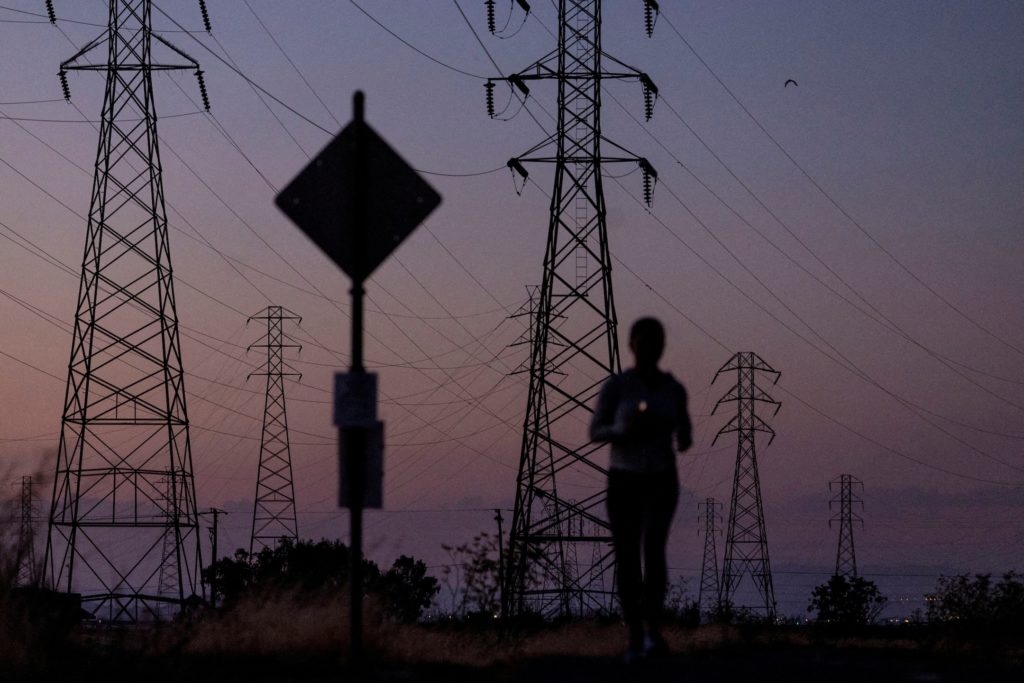
More than 70,000 residents in northwestern Indiana remained without electricity on Thursday, 10 days after severe storms moved through the region. Local officials reported that seven people died across the state during the weather event, which included flooding and high winds that downed trees and power lines.
The outages began on August 11, when storms with wind speeds reaching 100 miles per hour struck Indiana near the Illinois border. The initial impact left approximately 300,000 customers without power. While utility crews have restored service to a majority of those affected, tens of thousands of households continue to wait for repairs as of August 20.
Utility officials stated that the restoration process is delayed because entire transmission poles must be replaced in certain areas. Melody Birmingham, president of NiSource Utilities, noted that crews are attempting to complete repairs in days or weeks that typically take months. Birmingham also addressed concerns regarding the pace of recovery in different neighborhoods, stating that race and socioeconomic status are not factors and that affluent areas are experiencing similar outages.
In Gary, Indiana, where 20,000 customers remain without power, Mayor Eddie Melton said the city is providing residents with three hot meals a day, charging stations, and tarps. Residents at a town hall in Griffith, Indiana, expressed concerns over the impact on their daily lives, including the inability to refrigerate medication such as insulin.
For residents with chronic health conditions, such as diabetics who require refrigerated insulin, the extended outage presents a direct challenge to maintaining medical treatments. The local government in Gary is attempting to mitigate these effects by distributing meals and providing public charging stations, but residents continue to report mental strain and physical discomfort. The scale of the damage to the electrical grid means that even with emergency measures, thousands of people are currently reliant on government-provided resources for basic needs.
The restoration efforts set a precedent for how utilities manage catastrophic grid failure, as NiSource Utilities attempts to compress months of infrastructure work into a two-week window. The situation has prompted public discussions regarding infrastructure resilience and equity in utility response times. According to local officials, power is not expected to be fully restored across the region until next Tuesday, August 25. Residents will likely continue to face these disruptions for several more days as crews finish replacing heavy transmission equipment.