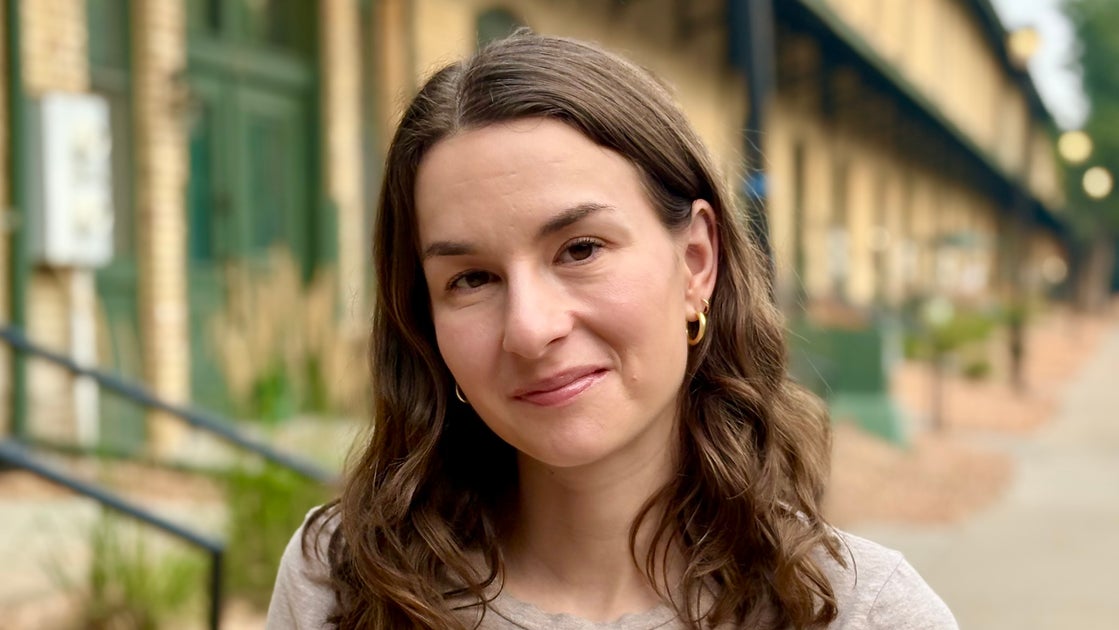
An Ohio woman reported identifying as bisexual at age 28 following a weeklong teaching assignment at a summer camp on the Ohio State University campus. The woman, who was married to a man at the time, described the realization as occurring after she developed a romantic attraction toward a female colleague. She stated that her history as a "repressed Catholic" and a belief that sexual identity was fixed by adulthood had previously prevented her from acknowledging these feelings.
The individual, a graduate student at the time of the event, stated that she had previously experienced signs of attraction to women during high school and college but had dismissed them due to religious teachings. During the summer camp, she noted a physical and emotional response to her colleague, which led her to discuss the matter with her husband upon returning home. Her husband expressed support for her self-identification.
The woman reported that she later shared her identity with friends and researched the experiences of other queer individuals who realize their orientation later in life. She noted that while she initially regretted not exploring her identity sooner, she intended to maintain her current marriage. The romantic crush eventually transitioned into a platonic friendship over the course of a year.
The scale of this demographic is reflected in further Pew Research Center data, which indicates that only 19% of bisexual individuals are open about their orientation with most of the important people in their lives. This stands in contrast to 75% of gay men and lesbians who report being out. For a person in this situation, the concrete day-to-day change often involves navigating disclosure to a spouse or long-term partner, which can range from supportive outcomes to significant changes in household dynamics or legal rights if the relationship dissolves.
The knock-on effects of these late-in-life realizations often influence future policy and community support structures, as traditional LGBTQ+ resources frequently focus on youth. For many, the process involves re-evaluating past experiences with religious or educational institutions that may have discouraged such exploration. What happens next for individuals in this position often involves seeking out specific queer communities to reconcile their identity with their existing lives; however, no specific legislative deadlines or court dates apply to these personal disclosures.