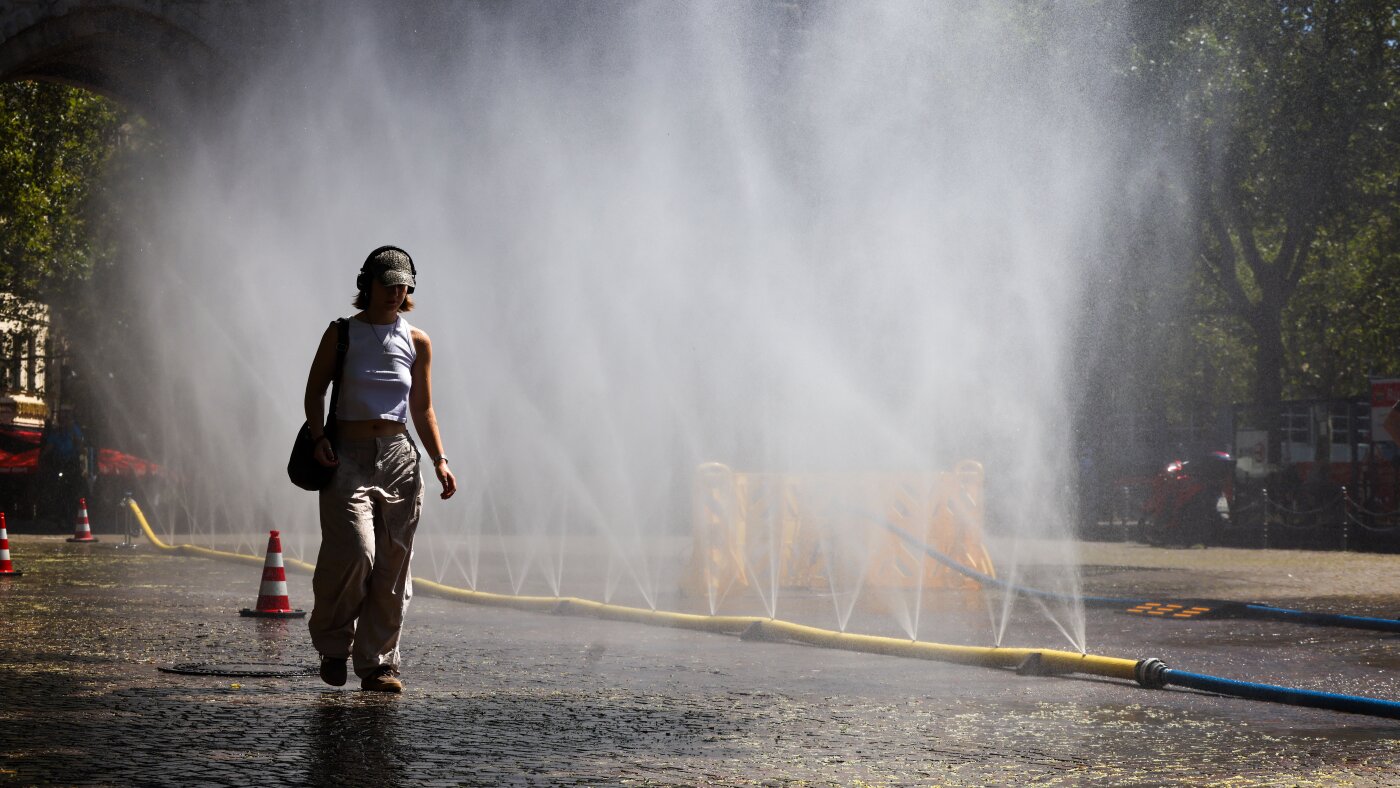
Individuals living in areas experiencing high summer temperatures reported various methods for maintaining lower body temperatures without the use of air conditioning. A collection of reader accounts provided to NPR detailed techniques involving water, airflow, and specialized clothing to manage heat in environments ranging from the United States to France and Pakistan.
The reports come amid a summer of elevated temperatures globally, which has prompted municipal actions such as the "Cooling Cologne" initiative in Germany. That program utilizes fire hoses to disperse chilled groundwater as a fine mist to lower ambient temperatures for pedestrians. The reader-submitted strategies often reflect historical practices used before the widespread adoption of modern cooling technology.
Reported water-based methods include immersion in pools or bathtubs, frequent cool showers, and running cold water over wrists to lower blood temperature. In regions with low humidity, individuals described using wet clothing or damp towels placed over fans to create evaporative cooling effects. For outdoor workers, such as those in landscaping or construction, methods included using ice vests with replaceable packs or dunking shirts in water to provide relief for approximately 30 minutes in high-heat conditions.
The concrete day-to-day change for these groups involves active management of their living and working environments. Instead of a set-and-forget thermostat, individuals must manually adjust window coverings, schedule physical activities around temperature peaks, and maintain supplies of ice or water for personal cooling. These actions are typically most critical between the hours of 10:00 a.m. and 6:00 p.m. when solar radiation is highest. Failure to effectively manage these temperatures can lead to heat-related illnesses, which result in thousands of emergency room visits annually across the United States.
These individual adaptations have broader implications for public health policy and urban planning. As heat events become more frequent, cities are increasingly looking at "hardscape" reduction—replacing heat-absorbing concrete with trees and gardens—to mitigate the urban heat island effect. These strategies provide a precedent for low-energy cooling that could reduce the strain on electrical grids during peak demand. Future policy decisions regarding building codes, such as requirements for awnings or specific insulation types, will likely be influenced by the effectiveness of these non-mechanical cooling methods. Residents in affected areas should monitor local weather service heat advisories for specific safety thresholds.