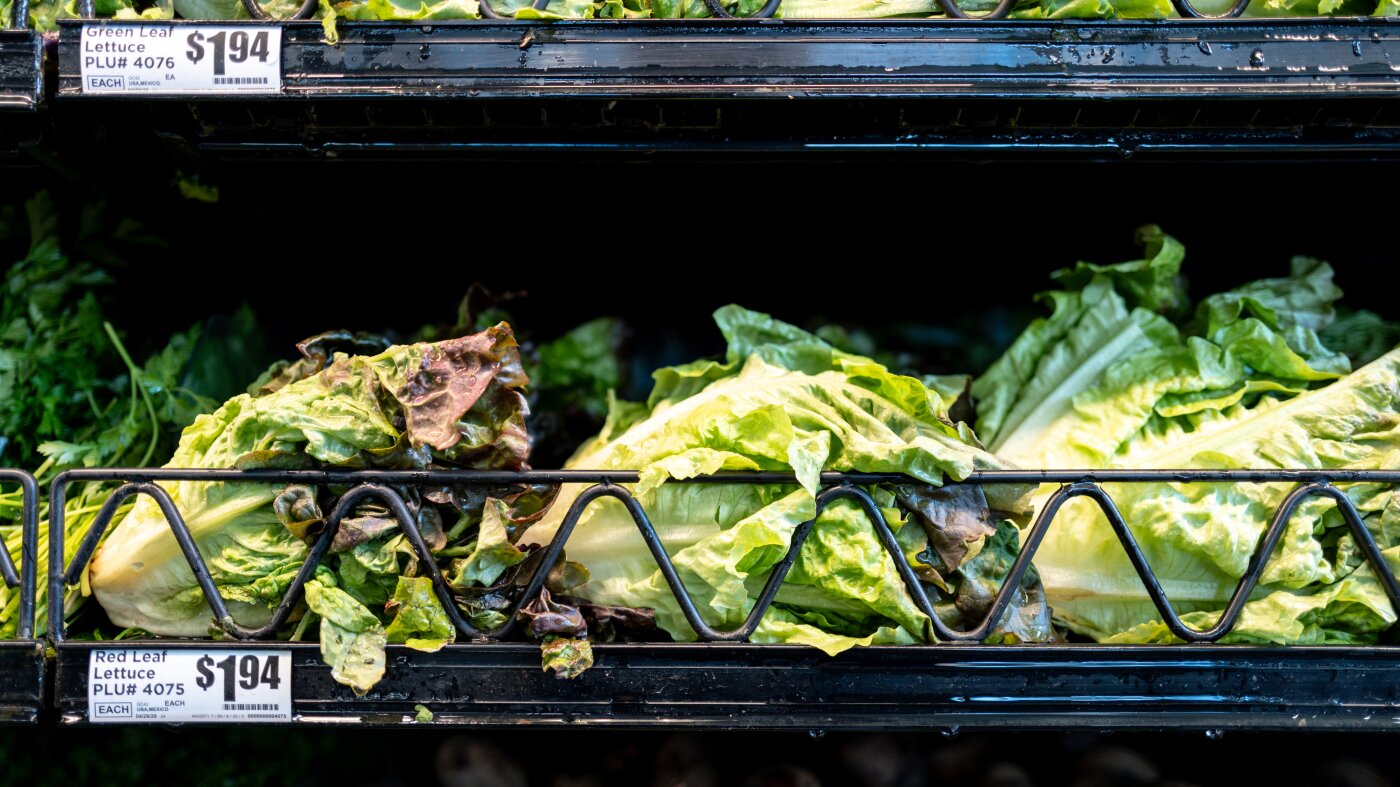
Consumer prices rose 3.4% in July compared to a year earlier, a slight moderation from growth rates recorded in May and June, according to a Labor Department report released Wednesday. The decrease was driven in part by a 16% drop in lettuce prices following a Cyclospora illness outbreak and subsequent recall of iceberg lettuce from Mexico. While gasoline and grocery costs declined, costs for rent and airfare continued to rise.
In South America, rescue teams in Colombia are searching for survivors following a 7.4 magnitude earthquake on Monday that killed more than 260 people. Nearly 500 people remain missing in Cali and surrounding areas. Colombian officials and rescue workers stated they are racing to locate survivors trapped in rubble, noting that individuals have been rescued up to six days after similar disasters.
U.S. Immigration and Customs Enforcement (ICE) announced plans this week to purchase "Generated Low Output Voltage Emitter" (G.L.O.V.E.) devices for its officers. These high-tech gloves deliver an electric shock to individuals upon skin contact when a wrist button is activated. The Department of Homeland Security (DHS) indicates the equipment could cost up to $20 million. Naureen Shah of the ACLU expressed concerns regarding officer training as the agency seeks to hire 12,000 new officers within a year.
The report on inflation affects every U.S. household through the prices paid for essential goods. While the 3.4% annual rate is a cooling from previous months, grocery prices remain 2.7% higher than last year. The decline in lettuce prices, while specific to a food-borne illness outbreak, contributed to a 0.1% monthly dip in overall grocery costs. For the average consumer, this means slightly lower bills at the checkout counter for produce, though these savings are countered by rising monthly rent and travel expenses.
These economic indicators will influence Federal Reserve policy regarding interest rates. A continued moderation of inflation may lead the central bank to maintain current rates rather than increasing them, which directly impacts the cost of borrowing for mortgages, car loans, and small business credit. In the executive branch, White House Press Secretary Karoline Leavitt announced she will depart her role at the end of August, citing a desire to spend time with her family. President Trump stated she will remain an outside adviser as the administration addresses voter concerns over the economy and the war in Iran.