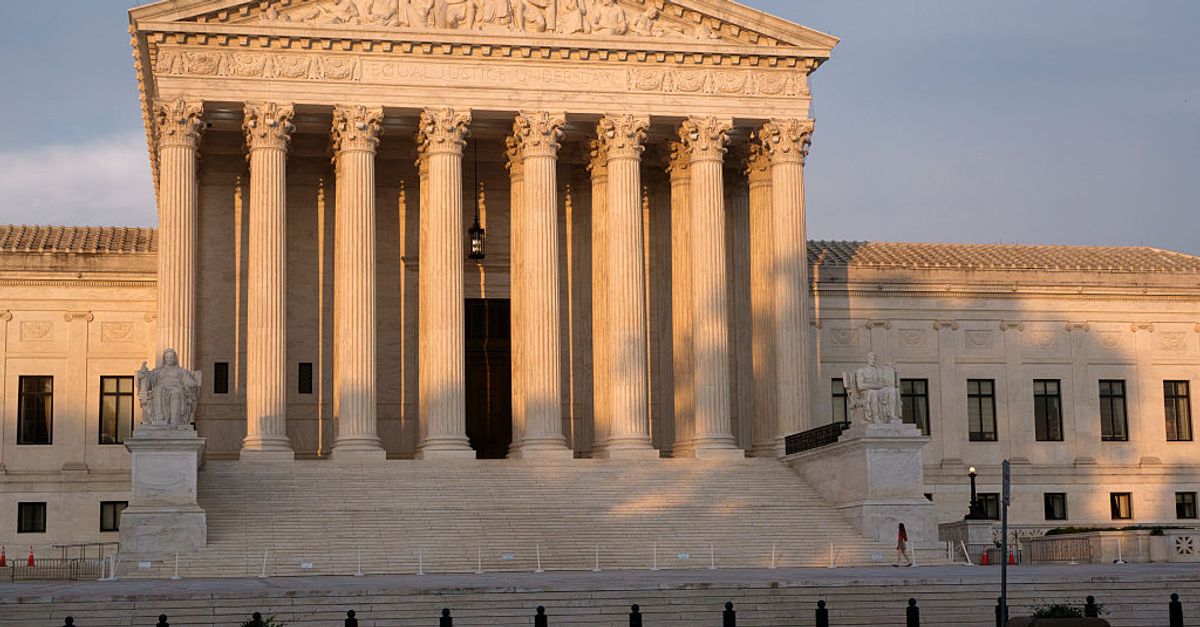
Lawyers for transgender inmates in federal custody requested on Thursday, October 8, 2026, that the Supreme Court maintain a lower court order blocking a Trump administration policy. The policy in question would restrict the Federal Bureau of Prisons (BOP) from providing hormone therapy and social accommodations, such as makeup and wigs, to transgender prisoners. Li Nowlin-Sohl, representing the inmates, stated the administration is seeking to overturn three decades of established practice.
The legal challenge follows a February 2025 executive order from President Donald Trump, which directed that no federal funds be used for medical procedures or drugs intended to conform an inmate's appearance to the opposite sex. The BOP adopted a corresponding policy in February 2026, asserting it acted independently of the executive order based on "the latest scientific information." The agency argued that previous standards were unreliable and that gender-transition procedures could lead to inmate resentment or security risks.
In August 2026, Senior U.S. District Judge Royce Lamberth issued an order barring the BOP from implementing the new policy. A divided panel of the U.S. Court of Appeals for the District of Columbia Circuit declined to pause Lamberth’s order on September 18. The administration then appealed to the Supreme Court on September 28, with Solicitor General D. John Sauer arguing that the district court had overstepped by substituting its own judgment for that of prison administrators.
For the Federal Bureau of Prisons and its administrators, the case addresses the level of deference courts must give to agency decisions regarding inmate healthcare and prison security. The administration argues that the district court ignored the agency's 43-page memorandum and administrative record, which cited security concerns and deemed transition surgeries as potential triggers for inmate attacks. Conversely, the inmates argue the agency failed to provide a "reasoned explanation" for replacing decades of hormone therapy with psychotherapy and psychotropic medications, which they claim do not treat gender dysphoria itself.
The Supreme Court’s decision on whether to stay the district court's injunction will set a precedent for how executive orders and agency policy changes are reviewed under federal administrative laws. If the justices grant the administration's request, the BOP could immediately begin enforcing the restrictions while the underlying lawsuit proceeds. If the stay is denied, the 2026 policy will remain blocked. A specific date for the Supreme Court's ruling on the stay application has not been reported.