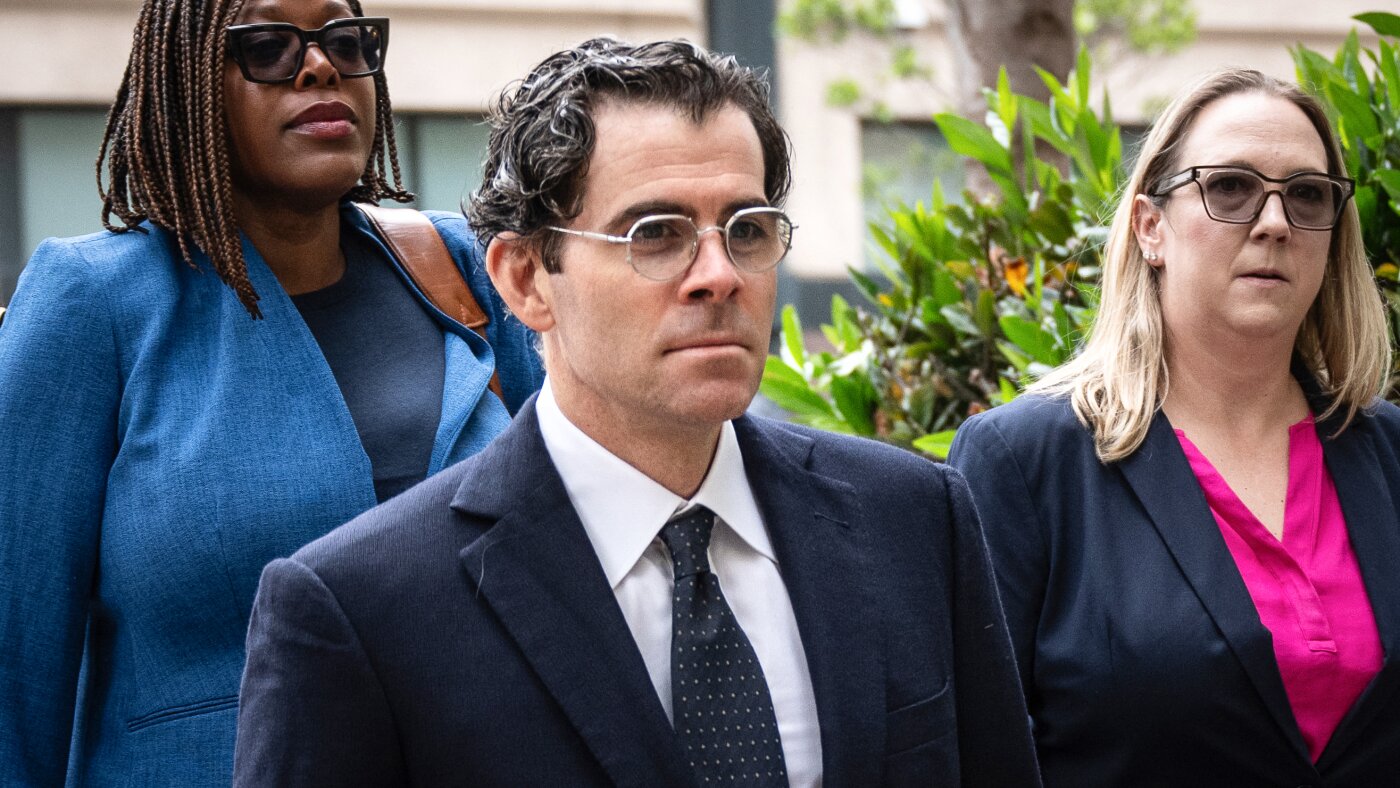
Adam Mosseri, the head of Instagram, testified Tuesday in a federal trial where four states—California, Colorado, Kentucky, and New Jersey—allege that parent company Meta intentionally designed its platforms to be addictive for children. During his testimony in Oakland, California, Mosseri addressed internal data regarding teen safety features and the company's efforts to manage risks associated with young users.
The lawsuit follows a series of public health advisories and studies indicating that social media use can impact the mental health of young people. Meta has denied the allegations, arguing that the company is sensitive to the risks of overuse and has introduced numerous features to address them. The states contend that Meta violated consumer protection laws by withholding information from parents and users about the effectiveness of these safety tools.
Mosseri testified about a feature called "Take a Break," which uses pop-up notifications to suggest teens pause their app usage after a set period. Internal documents presented by the prosecution showed that at one point, only 1.8% of teens used the feature. While Mosseri had previously stated in a blog post that 90% of those who used the feature kept it on, he confirmed in court that Meta had not disclosed that the overall number of users was as low as 1% to 2%.
The prosecution also questioned Mosseri about internal communications suggesting that Meta lawyers advised product designers to limit the data shown to him in a presentation about problematic content to check his "litigation exposure." Mosseri stated he was unaware of those specific exchanges but defended the company's broader efforts. He noted that Meta made "Take a Break" a default setting for teen accounts in late 2024, though a representative for the Colorado Attorney General noted this occurred after the states filed their 2023 lawsuit.
The legal proceedings center on whether Meta misled the public regarding the risks of its products, which could set a precedent for how tech companies are required to disclose internal safety data to consumers. If the court finds Meta liable for violating consumer protection laws, it may lead to stricter transparency requirements for social media algorithms and teen-focused features. This could change the information parents receive in their account dashboards or monthly usage reports, providing more specific data on the efficacy of parental controls.
Beyond financial penalties, the trial's resolution may dictate future federal or state policy regarding digital design standards for minors. Legal experts have compared the potential impact to the 1990s tobacco settlements, which fundamentally altered how a major industry communicated health risks to the public. Mosseri is scheduled to continue his testimony on Wednesday, and the trial is expected to last approximately five more weeks, with a final ruling or verdict anticipated after that period.