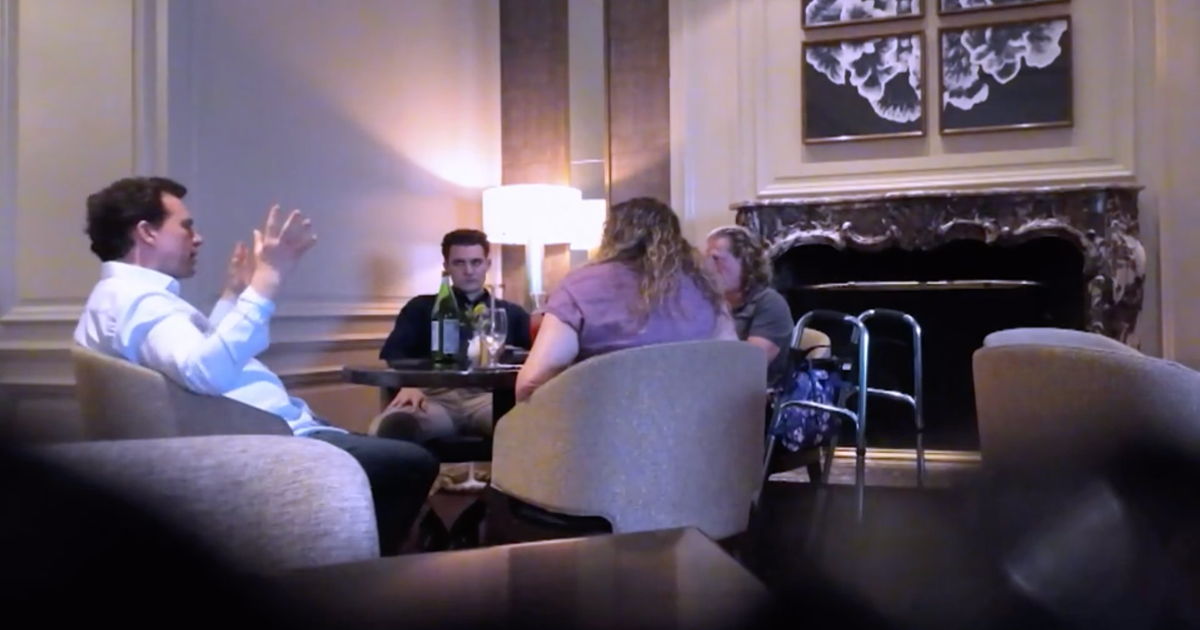
Lobbyists and consultants are operating a private industry to secure presidential pardons through direct access to the White House, according to a CBS News investigation. Hidden cameras captured lobbyists Jack Burkman and Jacob Wohl offering to secure a pardon for Ammon Covino, a convicted aquarium operator, for a fee of $300,000. The investigation found that approximately 70% of President Donald Trump’s second-term clemency actions, and 92% when including cases related to the January 6 Capitol riot, were not routed through the traditional Department of Justice (DOJ) review process.
The traditional clemency process involves DOJ lawyers evaluating an applicant's remorse and rehabilitation before making a recommendation to the president. However, current brokers described a "new path" focused on "energy" and "contacts" rather than the established bureaucrat-led procedure. Mark Osler, a law professor, stated that clemency-seekers now believe they must pay for access to individuals who can reach the president at Mar-a-Lago or through White House counsel.
Lobbying records show that some firms have disclosed earning significant fees for clemency work, including $960,000 paid to JM Burkman and Associates by Joseph Schwartz, a nursing home operator who later received a pardon. Other influential brokers with ties to the administration include Brett Tolman, who claimed he sends petitions directly to the White House to avoid the DOJ, and Ches McDowell, who helped secure a pardon for cryptocurrency billionaire Changpeng Zhao. White House spokesperson Lauren Bis stated that anyone "spending money to lobby for pardons is foolishly wasting their money" and that the president does not know these lobbyists, while maintaining that the administration has a "robust pardon review process."
The movement toward direct White House appeals changes the day-to-day work of defense attorneys and the expectations of their clients. Rather than demonstrating remorse—a long-standing legal norm—applicants are now being coached by brokers to bypass the Justice Department, which one broker described as "the fox watching the hen house." This shift sets a precedent that may diminish the influence of DOJ career prosecutors and legal experts. It also impacts victims of crimes; for example, the family of Doris Coulson, who won a $19 million judgment against a nursing home operator, saw the defendant receive a pardon three months into a three-year sentence.
What happens next depends on the resolution of ongoing legal disputes and future administration actions. Torence Hatch, a rapper known as Boosie Badazz, has filed an arbitration claim against Burkman and Wohl seeking a refund of a $600,000 fee after failing to receive a pardon. The brokers continue to operate; Brett Tolman stated he expects to handle 40 to 50 more cases before the end of the presidential term. No specific legislative deadlines for reforming this process were reported.