An investigation by NPR and Boston University found that heat-related causes kill approximately 9,000 Americans annually, a figure more than five times higher than federal statistics indicate. The reporting highlights a specific vulnerability for residents of manufactured housing, such as mobile homes and trailers, who face higher risks of death from extreme heat compared to those in traditional homes.
Research conducted by Arizona State University geographer Patricia Solis in Maricopa County, Arizona, found that mobile home residents are six to eight times more likely to die from heat-related issues than residents of traditional housing. The disparity is attributed to the age and condition of the housing stock, financial barriers to maintaining cooling systems, and legal or structural limitations inherent to mobile home park ownership.
In Pima County, Arizona, where 10% of the housing is manufactured, roughly one-third of these homes were built before 1976. Homes built prior to that year preceded federal building codes that mandated better insulation and safer electrical wiring. Consequently, many older units feature thin walls and electrical systems that cannot support modern air conditioning, or rely on swamp coolers that may fail during prolonged heat waves.
Residents also face financial hurdles. Because mobile home owners often do not own the land beneath their homes, they are frequently ineligible for traditional mortgages, making it difficult to borrow money for repairs or energy-efficiency upgrades. Additionally, some parks use "master metering," where the park owner receives the total utility bill, sometimes making individual residents ineligible for public assistance programs designed to help pay for electricity.
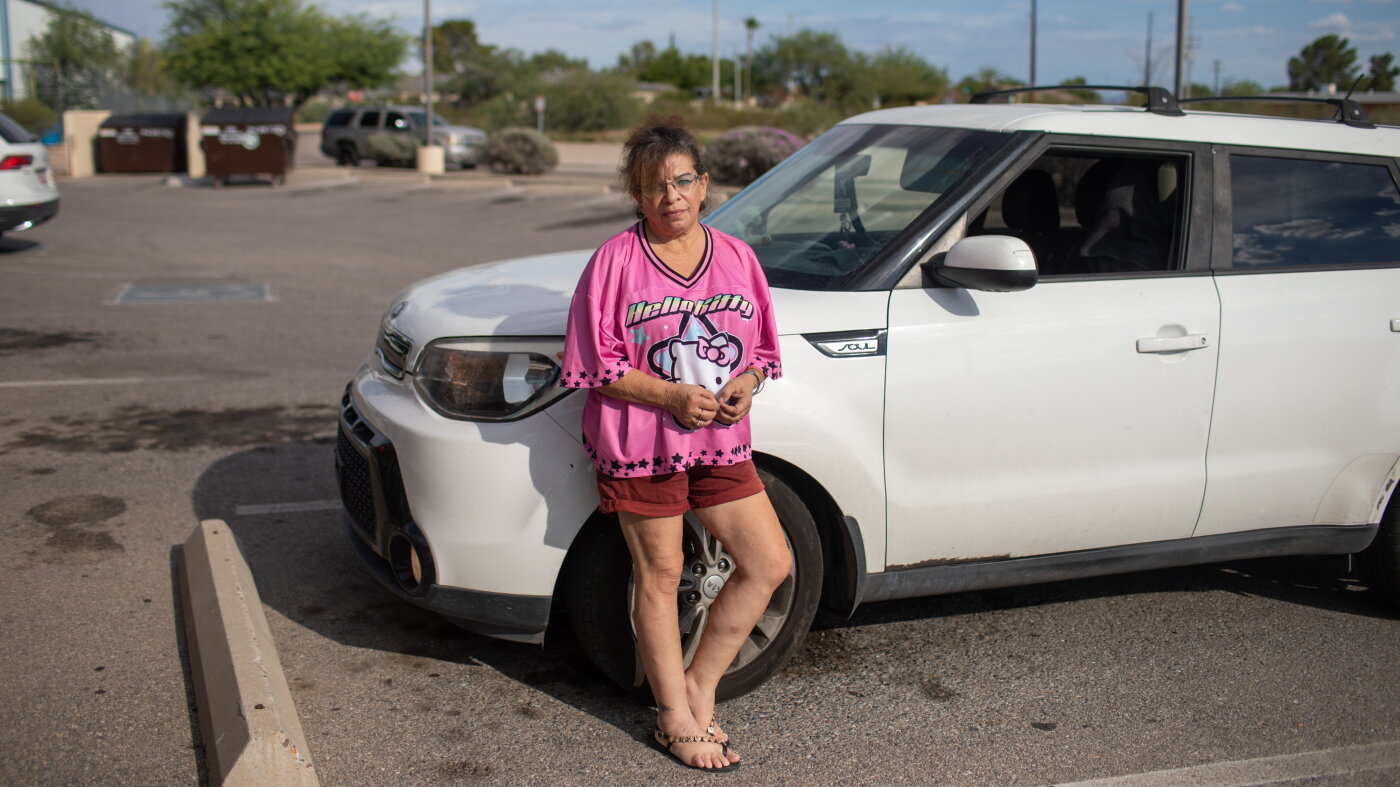
The day-to-day impact for these residents includes the potential for indoor temperatures to reach lethal levels, even when occupants remain inside. Those in older units or parks with aging infrastructure may experience power outages or seek relief in air-conditioned vehicles during triple-digit heat. The scale of the issue is significant; in Pima County, manufactured housing is home to approximately 100,000 people. Residents in these environments face these conditions as heat waves in regions like the Sonoran Desert become longer and more frequent.
The findings have led to policy shifts, such as efforts to legally allow mobile home residents to install shade sails or window units despite landlord restrictions. However, housing specialists note that existing programs for insulation and electrical upgrades are currently oversubscribed. The research suggests that public health officials may need to shift focus from outdoor heat safety to the indoor environments of specific housing types. Future steps include efforts by city and county officials in Arizona to scale up rehabilitation programs and increase door-to-door awareness campaigns in high-risk parks.