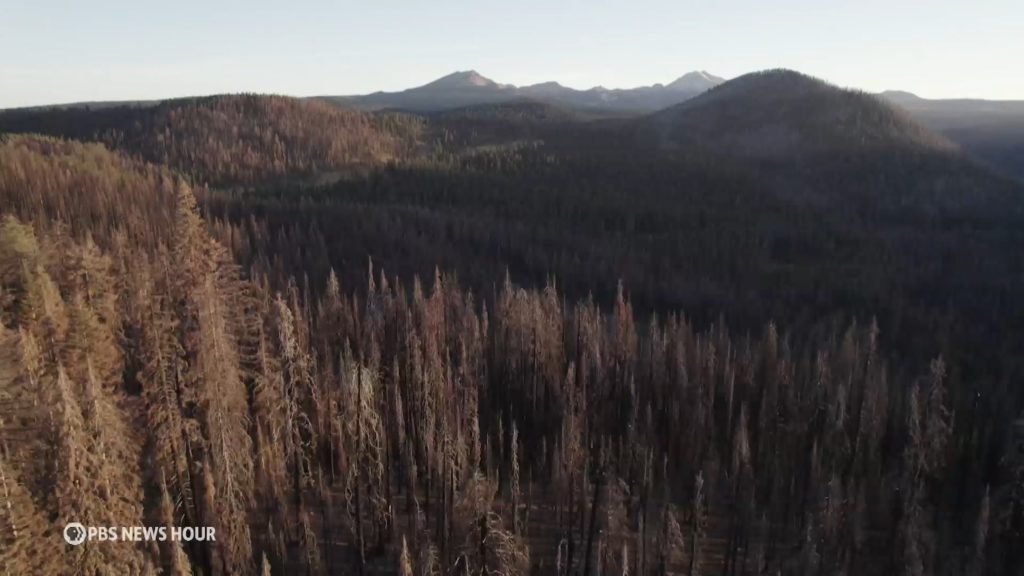
An investigation by the Center for Investigative Reporting found that the U.S. Forest Service and private timber companies are spraying glyphosate in California forests at record levels. The herbicide, which is the active ingredient in Roundup, is used to kill vegetation that competes with young trees to accelerate reforestation and increase future timber yields. The report found that glyphosate usage in these forests has quadrupled over the last two decades.
The increase in chemical use coincides with a proposal from the Trump administration this week to open nearly 45 million acres of national forestland to roads and logging. The U.S. Forest Service currently plans to spray glyphosate on approximately 10,000 acres in the Lassen National Forest. The agency maintains the herbicide is a valuable tool for managing forest density and protecting small trees from being shaded out by faster-growing brush.
The safety of glyphosate remains a subject of international debate and legal action. In 2015, the World Health Organization’s cancer agency classified the herbicide as "probably carcinogenic to humans." Conversely, Ruveon—a company recently created by Bayer to handle its glyphosate business—stated that its products are safe and have been approved by regulators for 50 years. Monsanto, which Bayer acquired in 2018, has previously faced more than $12 billion in legal judgments and settlements related to claims that the herbicide caused illness.
The Center for Investigative Reporting found that a 15-year-old U.S. Forest Service assessment, which the agency still uses to justify glyphosate safety, relied on studies involving Monsanto's input. Internal company emails from 2017 suggested that Monsanto employees sought to "ghostwrite" studies and pay outside scientists to promote the chemical as non-toxic. One influential study cited 28 times by the Forest Service was retracted by its publishing journal last year due to "serious ethical concerns" and the failure to disclose Monsanto's involvement.
The scale of this activity involves more than five million pesticide reports analyzed by investigators, showing that glyphosate usage has increased fourfold in 20 years. For individuals living near treated areas, this means a visible change in the landscape where native brush is killed to favor conifer growth. Residents will notice the chemical application in areas where they hike, bike, and camp. The practice creates a precedent for how federal agencies manage post-fire recovery, such as in the 75,000 acres affected by the 2021 Caldor Fire, prioritizing commercial timber viability through chemical intervention.
The knock-on effects include potential impacts on the commercial timber market, as the Forest Service stated that denser managed forests will eventually provide more timber for sale. However, the reliance on retracted or company-influenced research may lead to further legal and regulatory scrutiny of federal land management policies. The U.S. Forest Service national office declined to comment on the specific scientific studies. The Trump administration’s proposal to expand logging across 45 million acres suggests that large-scale forest management practices will continue to be a central policy focus. No specific dates for the next round of spraying or public hearings were reported.