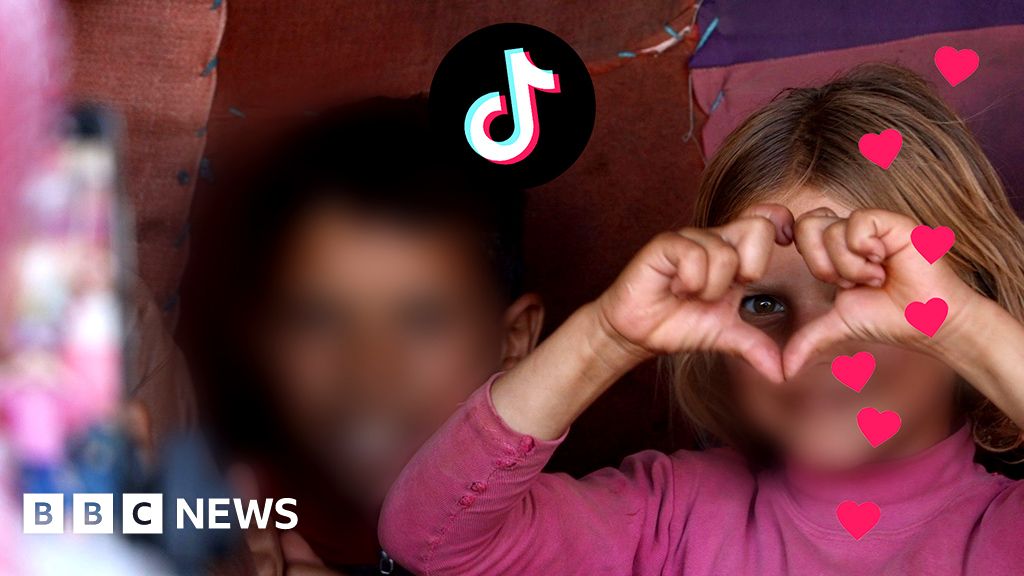
A BBC investigation focused on displaced families in northwestern Syrian camps who use TikTok livestreams to solicit digital gifts. The report found that while some streams generated up to $1,000 per hour in virtual gifts, the families received a small percentage of the total value. To test the payout structure, a reporter sent $106 worth of digital gifts to a test account in a Syrian camp; after TikTok's fees were applied, the account balance remained at $33, representing a 69% commission by the platform.
The investigation identified "middlemen" in the camps who provide families with mobile phones and equipment to broadcast. These facilitators reported working with agencies in China and the Middle East that are affiliated with TikTok to manage accounts and bypass technical issues. One facilitator, Hamid, stated he manages 12 families and takes a portion of the earnings to cover equipment and internet costs. Local money transfer shops and these facilitators further reduce the cash value of the gifts before they reach the families.
TikTok stated that "exploitative begging" is not permitted on its platform and noted it would take action against content violating its policies. While the company disputed the 70% commission figure, it declined to provide a specific breakdown of its fee structure. Digital rights organization Access Now told the BBC that these broadcasts violate TikTok’s own terms of service regarding the solicitation of gifts and the protection of minors, as many streams featured children broadcasting for several hours.