A BBC investigation has identified at least 30 children, primarily from the United Kingdom, who are believed to have been conceived through IVF treatment in northern Cyprus using sperm or egg donors different from those selected by their parents. The findings expand upon an initial report from earlier this year that identified seven such cases. The affected families report that they chose specific anonymous donors based on detailed profiles, including medical history and ethnicity, but later became suspicious of the results.
Northern Cyprus is a territory not recognized by the European Union and is legally recognized only by Turkey. Fertility clinics in the region are governed by local regulations and are known for offering lower prices and higher donor selection compared to the UK. The Ministry of Health in northern Cyprus stated it launched an investigation following initial reports in March, though it has not provided updates on the status of that inquiry.
Of the 30 identified cases, 15 are linked to the Dogus IVF Centre. Eleven of the children underwent commercial DNA testing, which indicated genetic ancestry from Turkey or surrounding regions, contradicting the Western European heritage of the donors their parents had requested. Cryos International, the world's largest sperm bank, informed investigators that it blacklisted the Dogus clinic in 2016 and has now suspended cooperation with Dr. Firdevs Uguz Tip and the Miracle IVF clinic pending the government investigation.
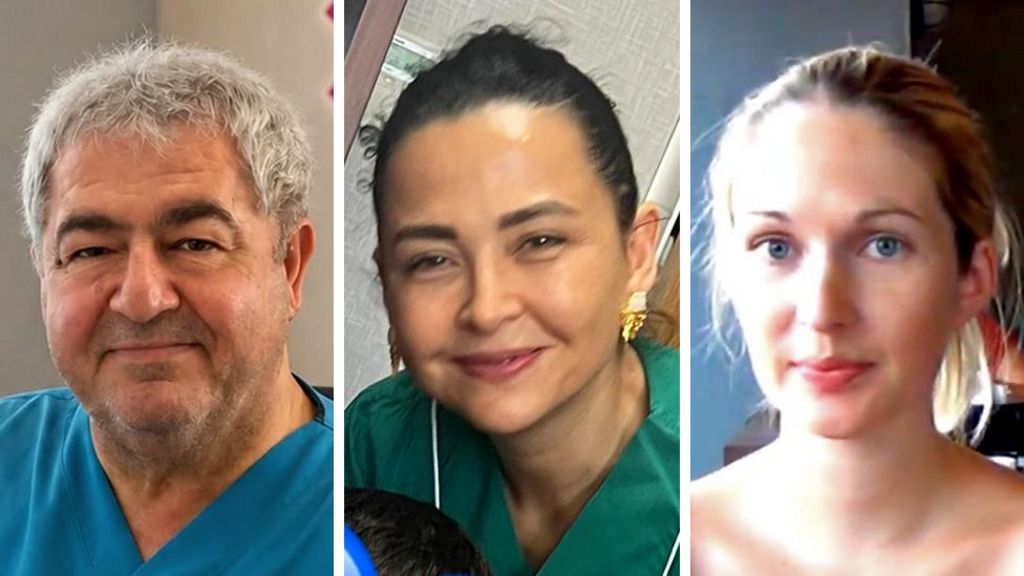
Three specific staff members—Dr. Sevket Alpturk, Dr. Firdevs Uguz Tip, and patient coordinator Julie Hodson—were involved in the care of many of the affected families at Dogus. Dr. Alpturk, the clinic's owner and manager, did not respond to inquiries. Dr. Firdevs, who now runs Miracle IVF, denied misleading patients and stated that Dr. Alpturk was responsible for signing off on procedures. Ms. Hodson, who reportedly liaised with British patients, did not respond to questions regarding whether she failed to place requested sperm orders.
For the donor-conceived individuals, the discrepancy between their reported and actual genetic heritage changes their access to accurate medical background information. A person who believed they had a legal right to contact a specific donor at age 18 may now find that no such record exists, as seen in the case of a 13-year-old boy whose DNA results showed Turkish ancestry instead of the requested Danish donor. This creates a permanent change in their ability to verify hereditary health risks or locate genetic siblings.
The situation sets a precedent regarding the risks of "fertility tourism" in regions where European Union medical standards and donor tracking laws do not apply. It also highlights a lack of transparency in international sperm procurement; Cryos International stated it has no record of ever delivering sperm to the Dogus clinic despite the clinic's long-standing advertisements claiming otherwise. The next steps depend on the northern Cyprus Ministry of Health, which has not yet released the findings of its investigation or confirmed if any clinics have been cleared of legal breaches. The DNA testing results and the blacklisting by international sperm banks may influence how UK regulators advise citizens seeking treatment abroad.