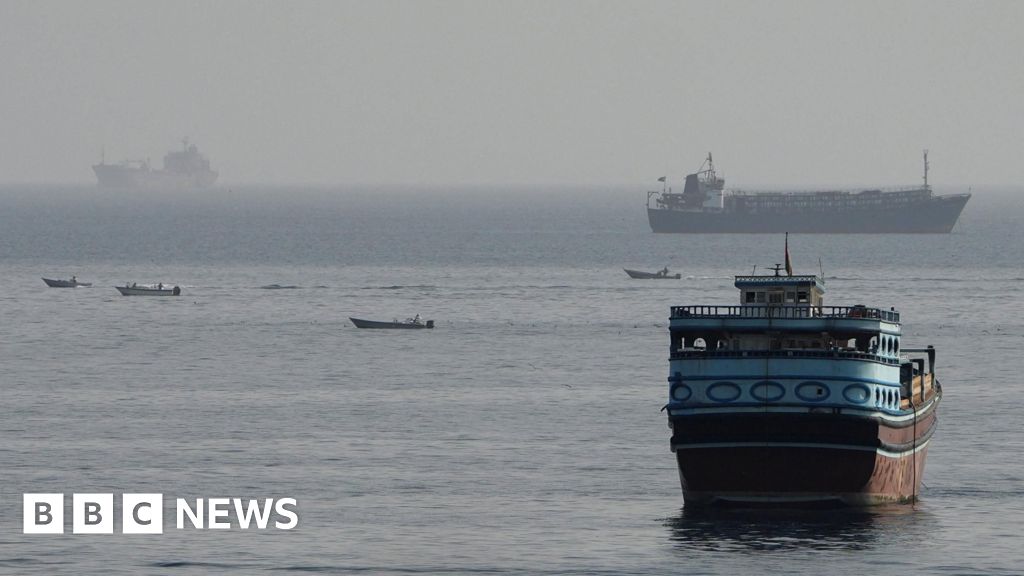
The Iranian foreign ministry announced Wednesday that it has reached an agreement with Oman regarding a shipping route through the Strait of Hormuz. Spokesman Esmaeil Baqaei stated the deal is in its final stages, though he noted that the agreement alone does not guarantee safe navigation due to ongoing regional tensions and a U.S. naval blockade of Iranian ports.
The announcement follows months of disruption in the strait, a critical maritime passage where approximately 20% of the world's oil and liquefied natural gas typically flows. Tensions escalated in late February after U.S. and Israeli forces attacked Iran, leading Tehran to largely block the waterway. While senior U.S. officials recently suggested shipments might resume this week, Iran maintains it is not negotiating directly with Washington.
Iranian officials said the specific geographical coordinates for the new route have been established with Oman. Deputy Foreign Minister Kazem Gharibabadi told the state news agency Irna that the arrangement would be temporary, lasting between two and four months. The ministry did not disclose whether the agreement addresses previous Iranian demands to impose fees on vessels crossing the strait, a point of contention with the United States.
For shipping operators and their crews, the agreement introduces a new set of geographical coordinates to navigate for a period of two to four months. However, the concrete day-to-day safety of these transit workers remains uncertain. Baqaei stated that the presence of U.S. naval forces and the blockade continue to pose risks to security. Mariners would notice these changes in their routing instructions and security protocols as soon as the final stages of the agreement are implemented, though no specific effective date was reported.
The agreement sets a precedent for using Oman as a mediator in maritime disputes between Iran and Western interests. However, the collapse of a previous Memorandum of Understanding signed in June—which intended to end the war within 60 days—highlights the volatility of such diplomatic efforts. The next steps depend on whether U.S. President Donald Trump acts on his Tuesday warning to hit Iran "very hard" if the strait does not open soon. As of Wednesday, neither the U.S. nor Oman had officially commented on the Iranian announcement.